
Materials & Properties
At Epoc Crafter, the purpose of this Materials & Properties page is to help buyers and engineers move from broad material categories to a practical RFQ decision.
Aluminum Alloys
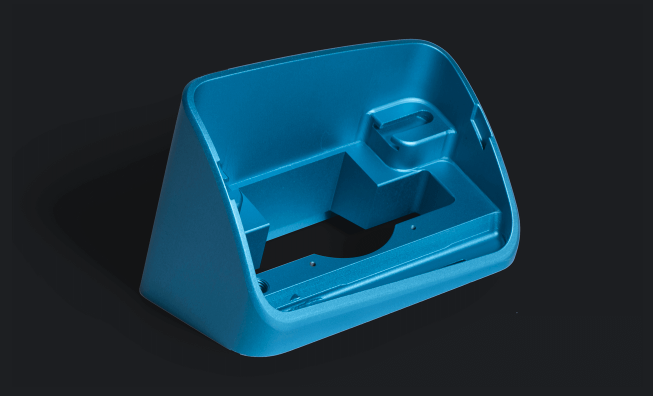
6061 is the most common all-around aluminum alloy for custom manufacturing. It is usually the default answer for CNC machined aluminum parts, anodized aluminum housings, brackets, mounts, fixtures, bases, and general structural machined parts. Buyers choose it because it balances strength, machinability, corrosion resistance, and finishing better than most alternatives. It is also easier to weld and easier to use broadly than higher-strength grades such as 7075 or 2024.
For procurement, the logic is simple: if the part is a machined aluminum component and there is no strong reason to change grades, 6061 is usually the first alloy worth quoting. It is especially practical when the project also includes anodizing, moderate corrosion exposure, and a need to keep quote risk under control.
7075 is the upgrade path when the part needs more strength and stiffness than 6061 can comfortably provide. It is commonly used for high-strength CNC machined aluminum parts, lightweight structural components, and machined parts under more demanding mechanical load. This is the alloy buyers usually compare against 6061 when the real question is whether the extra strength actually changes the design outcome.
The tradeoffs are important. 7075 costs more, welds poorly, and is generally less forgiving when the project depends on cosmetic anodizing or broader fabrication flexibility. In many RFQs, it is technically better but commercially unnecessary. That is why 7075 should usually be selected only when the mechanical load case clearly justifies it.
5052 matters because not every aluminum part is really a CNC part. When the design is built around sheet metal fabrication, bending, and welded assemblies, 5052 is often the better choice. It is commonly used for bent enclosures, covers, panels, chassis parts, and welded aluminum sheet assemblies. For buyers comparing 5052 vs 6061, the question is usually not strength in isolation. It is whether the part is really a formed or welded fabrication rather than a machined block-style component.
Compared with 6061, 5052 is usually favored when bend quality, corrosion resistance in sheet applications, and weldability matter more than peak machined strength. It is often the safer material for aluminum sheet metal fabrication and enclosure work.
2024 is generally used for strength-driven machined applications where fatigue resistance matters and the project can accept reduced weldability and more careful corrosion planning. It is not the first general industrial aluminum. It tends to enter the discussion when the customer already knows the part is performance-driven and wants a more specialized engineering alloy.
This makes 2024 more relevant for aerospace-style fittings, machined plates, and selected structural parts than for common housings, enclosures, or welded fabrications. If the part will be bent, welded, or used in visible anodized cosmetic service, 2024 is usually not the easiest path.
For fast screening, the material logic is usually:
- choose 6061 for most CNC machined aluminum parts
- choose 7075 when higher strength and stiffness clearly justify the upgrade
- choose 5052 for sheet metal fabrication, bending, and welded aluminum assemblies
- choose 2024 for more specialized fatigue- or strength-driven machined parts where weldability is not the priority
If the project also needs anodizing, tight machining, clean cosmetic surfaces, or welded fabrication, those needs should be part of the material decision at the RFQ stage, not after the design is already locked.
Stainless Steels
- 303 Stainless Steel
- 304 Stainless Steel
- 316 Stainless Steel
- 17-4PH Stainless Steel
- Stainless Selection Logic
303 is commonly selected when the part is primarily a machined stainless component and machining efficiency matters. It is widely used for shafts, bushings, fittings, threaded parts, and other CNC machining-driven stainless parts because it is easier to cut than 304 or 316. Buyers comparing 303 vs 304 usually start with one question: is the machining advantage worth the tradeoff in corrosion performance and broader use flexibility.
The answer is usually yes when the part is machining-driven, not sanitary, not heavily welded, and not exposed to the harsher corrosion conditions that would push the project toward 304 or 316.
304 is the most common all-around stainless for fabricated and machined parts. It is widely used because it offers a practical balance of corrosion resistance, formability, weldability, appearance, and cost. It is usually the starting point for stainless steel sheet metal fabrication, welded brackets, covers, enclosures, and general cleanable equipment parts. It is also one of the most common answers in food equipment, cleanable surfaces, and visible stainless applications.
304 is not the strongest stainless on this page and not the easiest to machine, but it is often the most practical choice when the part needs broad all-around performance rather than one extreme property.
316 is usually chosen when 304 is not enough from a corrosion standpoint. Buyers typically move from 304 to 316 when the environment includes chlorides, repeated washdown, more aggressive chemical cleaning, or higher corrosion exposure. This is why 316 is often preferred for medical-adjacent equipment, tougher food-contact environments, corrosion-critical housings, valves, and fittings.
That does not mean 316 replaces 304 by default. It usually costs more and only becomes the better buying decision when the service environment is severe enough to justify it. On many general indoor industrial housings and brackets, 304 is still the more practical answer.
17-4PH belongs in a different decision category. Buyers usually select it when higher strength, hardness, and dimensional performance matter more than the broadest corrosion resistance. It is a precipitation-hardening stainless steel, so heat treatment condition matters. That makes it a strong fit for high-load machined parts, fixtures, structural components, shafts, and performance-driven precision parts.
The main procurement point is that 17-4PH is not just “stronger stainless.” It often changes the manufacturing route because machining condition, heat treatment sequence, and final tolerance planning all matter more than with 304 or 316
For fast screening, the logic usually looks like this:
- choose 303 for machining-driven stainless parts where easier cutting and threading matter most
- choose 304 for general-purpose stainless parts, welded fabrications, enclosures, and cleanable equipment parts
- choose 316 when corrosion conditions are harsher and 304 may not offer enough margin
- choose 17-4PH when the part needs higher strength and a heat-treatable stainless grade rather than just general corrosion resistance
Engineering Plastics
- ABS
- Nylon (PA6 / PA12)
- POM (Acetal / Delrin)
- PC (Polycarbonate)
- PEEK
- PMMA (Acrylic)
- Engineering Plastic Selection Logic
ABS is one of the first materials buyers evaluate for rapid injection molding and general-purpose plastic parts. It is popular because it is cost-effective, easy to process, and works well for housings, covers, and non-transparent appearance parts. It is a strong fit for prototype enclosures, consumer-style housings, low-cost molded parts, and early-stage parts that may later move toward production tooling.
The main limits are heat and chemical resistance. If the part sees higher temperatures, stronger solvents, or more demanding functional loads, ABS often stops being the best answer and buyers start comparing it with PC, Nylon, or POM.
Nylon is commonly selected when the part needs toughness, wear resistance, and functional durability. It is a familiar choice for gears, wear parts, clips, bushings, and many molded mechanical components. It also works well in both machined and molded functional plastic parts.
The caution is moisture absorption. That matters because moisture can affect dimensions and behavior over time, especially on tight-tolerance parts. This is exactly why buyers comparing Nylon vs POM for precision machined parts often keep POM in the conversation.
POM is one of the strongest options for precision plastic machining. It offers high stiffness, low friction, and strong dimensional stability, which makes it a common choice for gears, bushings, rollers, sliders, and tight-tolerance machined plastic parts. For many CNC plastic parts, POM is one of the safest starting points. It machines cleanly and usually does not create the same moisture-related dimensional concerns as Nylon.
Its main limitation is temperature. If the part needs much higher heat resistance, the project may need to move toward PC or PEEK depending on the overall requirement.
PC is usually chosen when impact resistance matters. Buyers compare ABS vs PC when they need to choose between lower cost and easier processing on one side, and better heat and impact performance on the other. PC is often the better route for tougher housings, guards, impact-resistant covers, and more demanding transparent or semi-transparent parts.
PC is stronger on function than on perfect optical appearance. If the actual requirement is clarity and cosmetic transparency rather than impact, the comparison often shifts from ABS vs PC to PMMA vs PC.
PEEK sits in a different category from the other plastics on this page. It is usually selected only when the part needs high temperature performance, strong chemical resistance, or higher-end mechanical behavior that standard engineering plastics cannot cover. It is a strong fit for high-temperature functional parts, chemical-resistant components, and demanding industrial or medical-oriented performance parts.
The main issue is cost. Buyers often ask whether PEEK is worth the extra expense over POM or Nylon, and in many projects the answer is no. PEEK becomes rational only when its added heat and chemical capability actually changes the project outcome.
PMMA is usually selected when clarity and appearance matter more than toughness. It is a strong fit for clear covers, display parts, windows, light guides, and cosmetic transparent components. For buyers comparing PMMA vs PC, PMMA is often the better starting point when the real requirement is optical clarity and surface appearance rather than impact resistance.
The tradeoff is mechanical abuse tolerance. If the part must take more impact or rougher handling, PC usually becomes the stronger option.
For fast screening, the logic usually looks like this:
- choose PMMA when optical clarity and cosmetic transparency matter more than impact strength
- choose ABS for cost-effective housings and general molded or machined prototype parts
- choose Nylon for tough functional parts, wear parts, and many molded mechanical components
- choose POM for precision machined parts, gears, bushings, and low-friction components
- choose PC for impact-resistant housings and tougher transparent or semi-transparent parts
- choose PEEK when heat, chemical resistance, or performance clearly exceed what standard engineering plastics can handle
Surface Finishing Options
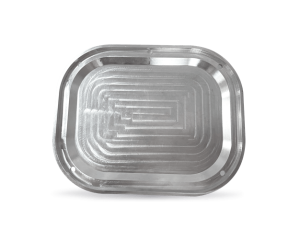
As Machined
Parts are machined and deburred, sharp edges are chamfered. Visible machining marks, light surface scratches.
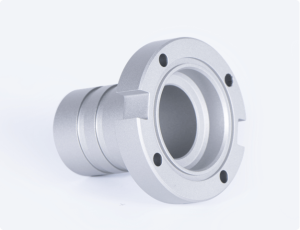
Bead Blasting
Parts are bead blasted with glass beads which results in smooth, matte appearance and reduced machining marks.
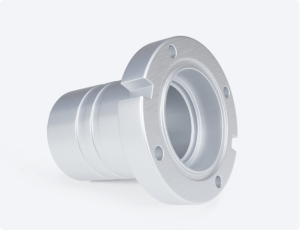
Brushing
Parts are brushed using an abrasive tool to create a pattern of fine parallel lines on the material surface.
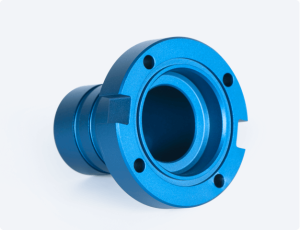
Anodizing
Anodizing creates a corrosion-resistant, uniform, matte or glossy finish. Parts can be anodized in different colors.
Material Comparison Guides
Aluminum vs Stainless
This is one of the most common comparison points for CNC machined parts, sheet metal parts, brackets, enclosures, and structural components. Choose aluminum when low weight matters, the part should machine efficiently, and the corrosion environment is moderate. Choose stainless when corrosion resistance, washdown, chemical cleaning, or long-term service in harsher conditions is more important. Aluminum usually machines faster and more economically. Stainless usually aligns more naturally with polishing, passivation, or a clean exposed metal surface.
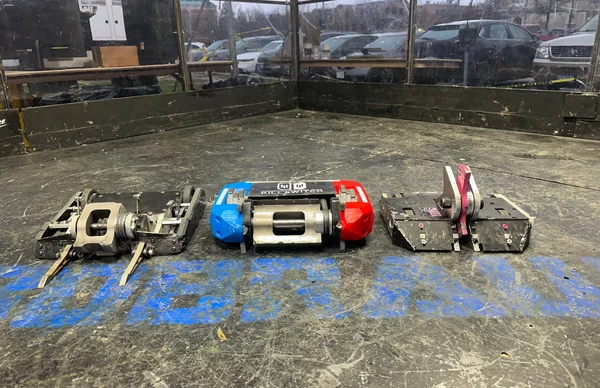
ABS vs PC
This is one of the most common material decisions for rapid injection molding, prototype housings, and molded production parts. Choose ABS when the part is a general-purpose housing, cover, or consumer-style enclosure where cost, moldability, and practical appearance matter most. Choose PC when the part needs better impact resistance, better heat resistance, or tougher functional performance. In many projects, the material should only be upgraded from ABS to PC if testing shows the need.
PEEK vs Nylon
This comparison usually appears later in selection, when the part has already moved beyond basic plastics and the real question is whether high performance material is actually necessary. Choose Nylon when the part needs toughness, wear resistance, and practical engineering performance without extreme material cost. Choose PEEK when heat, chemicals, or long-term demanding performance clearly go beyond what Nylon can comfortably support. This is one of the clearest examples of cost vs performance in engineering plastics.
6061 vs 7075
This is one of the most common comparisons inside aluminum CNC machining. Choose 6061 when the part needs a balanced aluminum grade that machines well, costs less, welds better, and still covers most general structural use. Choose 7075 when the part truly needs more strength and stiffness and is mainly a machined component rather than a welded or formed one. Many buyers over-specify 7075; the more useful question is whether the part actually needs the extra strength.
Cost vs Strength
This is the comparison running underneath all the others. A stronger material makes sense when it solves a known failure risk, handles a real heat or corrosion requirement, improves service life enough to matter, or enables a meaningful design improvement. It usually does not make sense when it only adds cost, makes finishing harder, raises machining difficulty, or appears only more advanced on paper without changing function.
Typical Applications
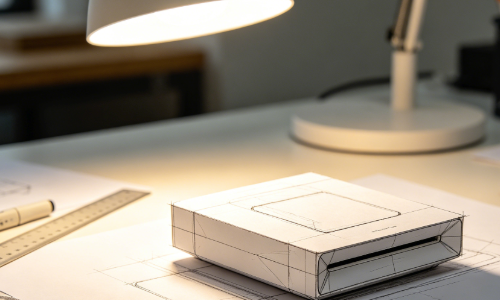
Concept Models
Concept models are early visual or physical representations that focus on product form, styling, and design concept.

Functional Prototypes
Functional prototypes are working models built to test core product functions and mechanical performance.
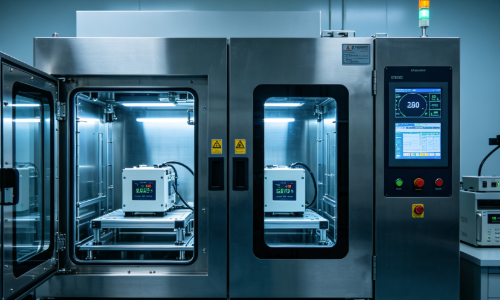
Engineering Validation
Engineering validation involves rigorous testing to confirm the product meets performance, reliability, and safety standards.
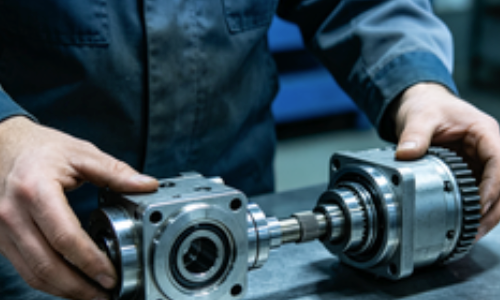
Fit & assembly testing
Fit & assembly testing checks dimensional accuracy and mating compatibility between parts and components.
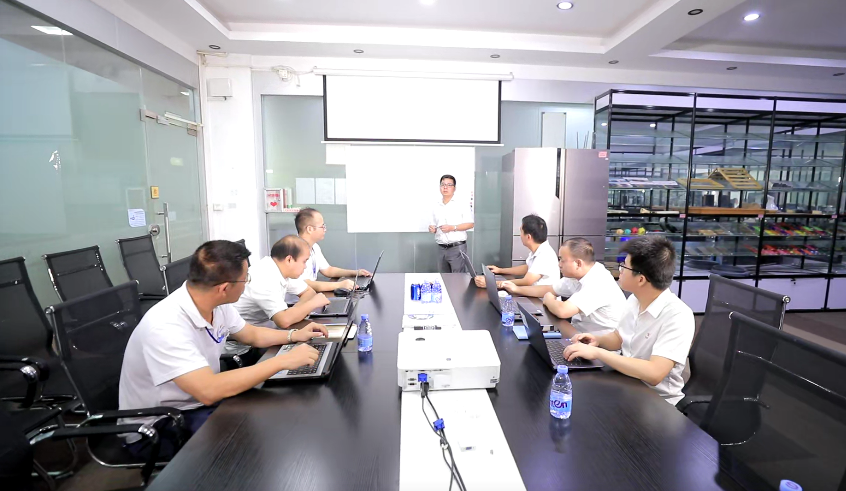
Market testing samples
Market testing samples are near-final products used to collect consumer and retailer feedback.
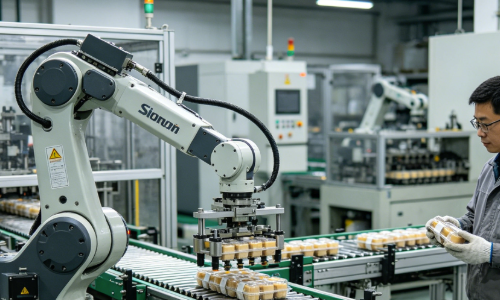
Bridge production
Bridge production is a limited pre-mass production run using near-final tools and processes.