Additive Manufacturing (3D Printing)
CNC machining is one of the most practical manufacturing methods for parts that need real materials, controlled dimensions, and repeatable production results.
| Type | Material | Service | Process | More Info |
|---|---|---|---|---|
| ABS | ABS | 3D Printing | FDM | Data Sheet |
| ABS | ABS | CNC Machining | CNC Milling | Data Sheet |
| ABS | ABS | Injection Molding | Injection Molding | Data Sheet |
| ABS-Like | ABS-like | 3D Printing | SLA | Data Sheet |
| ABS-Like | PU-like ABS | Vacuum Casting / RIM | Vacuum Casting | Data Sheet |
| ASA | ASA | Injection Molding | Injection Molding | Data Sheet |
| SAN | SAN | Injection Molding | Injection Molding | Data Sheet |
| PS | PS | Injection Molding | Injection Molding | Data Sheet |
| PC | PC | CNC Machining | CNC Milling | Data Sheet |
| PC | PC | Injection Molding | Injection Molding | Data Sheet |
| PC-ABS | PC-ABS | CNC Machining | CNC Milling | Data Sheet |
| PC-ABS | PC-ABS | Injection Molding | Injection Molding | Data Sheet |
| PC-Like | PC-like | 3D Printing | SLA | Data Sheet |
| PMMA / Acrylic | PMMA | CNC Machining | CNC Milling | Data Sheet |
| PMMA / Acrylic | PMMA | Injection Molding | Injection Molding | Data Sheet |
| Transparent Resin | Transparent resin | 3D Printing | SLA | Data Sheet |
| Transparent Resin / PU | Transparent PU | Vacuum Casting / RIM | Vacuum Casting | Data Sheet |
| POM / Acetal | POM | Injection Molding | Injection Molding | Data Sheet |
| POM / Acetal | POM (Delrin) | CNC Machining | CNC Milling | Data Sheet |
| Nylon / PA | Nylon | 3D Printing | FDM | Data Sheet |
| Nylon / PA | PA11 | 3D Printing | SLS | Data Sheet |
| Nylon / PA | PA12 | 3D Printing | SLS | Data Sheet |
| Nylon / PA | PA6 | CNC Machining | CNC Milling | Data Sheet |
| Nylon / PA | PA6 | Injection Molding | Injection Molding | Data Sheet |
| Nylon / PA | PA66 | CNC Machining | CNC Milling | Data Sheet |
| Nylon / PA | PA66 | Injection Molding | Injection Molding | Data Sheet |
| Glass-Filled Nylon / PA | Nylon-GF | 3D Printing | FDM | Data Sheet |
| Glass-Filled Nylon / PA | PA12-GF | 3D Printing | SLS | Data Sheet |
| Glass-Filled Nylon / PA | PA6-GF30 | CNC Machining | CNC Milling | Data Sheet |
| Glass-Filled Nylon / PA | PA6-GF30 | Injection Molding | Injection Molding | Data Sheet |
| Glass-Filled Nylon / PA | PA66-GF30 | Injection Molding | Injection Molding | Data Sheet |
| PBT | PBT | Injection Molding | Injection Molding | Data Sheet |
| Glass-Filled PBT | PBT-GF30 | CNC Machining | CNC Milling | Data Sheet |
| PET | PET | Injection Molding | Injection Molding | Data Sheet |
| PETG | PETG | 3D Printing | FDM | Data Sheet |
| PLA | PLA | 3D Printing | FDM | Data Sheet |
| PP | PP | Injection Molding | Injection Molding | Data Sheet |
| PE | PE | Injection Molding | Injection Molding | Data Sheet |
| PTFE / Teflon | Teflon | CNC Machining | CNC Milling | Data Sheet |
| PEEK | PEEK | CNC Machining | CNC Milling | Data Sheet |
| Glass-Filled PEEK | PEEK-GF30 | CNC Machining | CNC Milling | Data Sheet |
| PPS | PPS | Injection Molding | Injection Molding | Data Sheet |
| LCP | LCP | Injection Molding | Injection Molding | Data Sheet |
| High-Performance Plastic | PEEK | Injection Molding | Injection Molding | Data Sheet |
| High-Performance Plastic | PEI | Injection Molding | Injection Molding | Data Sheet |
| High-Performance Plastic | PPSU | Injection Molding | Injection Molding | Data Sheet |
| High-Performance Plastic | PSU | Injection Molding | Injection Molding | Data Sheet |
| Bakelite / Phenolic | Bakelite | CNC Machining | CNC Milling | Data Sheet |
| Type | Material | Service | Process | More Info |
|---|---|---|---|---|
| Aluminum | 2024 | CNC Machining | CNC Milling | Data Sheet |
| Aluminum | 5052 | CNC Machining | CNC Milling | Data Sheet |
| Aluminum | 5052-H32 / 5052-H32 | Sheet Metal Fabrication | Cutting / Forming | Data Sheet |
| Aluminum | 5083 | CNC Machining | CNC Milling | Data Sheet |
| Aluminum | 6061-T6 | CNC Machining | CNC Milling | Data Sheet |
| Aluminum | 6061-T6 / 6061-T6 | Sheet Metal Fabrication | Cutting / Forming | Data Sheet |
| Aluminum | 6063 | CNC Machining | CNC Milling | Data Sheet |
| Aluminum | 7075-6061-T6 | CNC Machining | CNC Milling | Data Sheet |
| Aluminum | 7075-T6 | CNC Machining | CNC Milling | Data Sheet |
| Aluminum | ADC12 | CNC Machining | CNC Milling | Data Sheet |
| Aluminum | AlSi10Mg | 3D Printing | SLM / DMLS | Data Sheet |
| Magnesium | AZ31B | CNC Machining | CNC Milling | Data Sheet |
| Magnesium | AZ91D | CNC Machining | CNC Milling | Data Sheet |
| Titanium | Ti-6Al-4V | 3D Printing | SLM / DMLS | Data Sheet |
| Stainless Steel | 17-4PH | 3D Printing | SLM / DMLS | Data Sheet |
| Stainless Steel | 316L | 3D Printing | SLM / DMLS | Data Sheet |
| Stainless Steel | SUS304 / 304 | CNC Machining | CNC Milling | Data Sheet |
| Stainless Steel | SUS304 / 304 | Sheet Metal Fabrication | Cutting / Forming | Data Sheet |
| Stainless Steel | SUS316 / 316 | CNC Machining | CNC Milling | Data Sheet |
| Stainless Steel | SUS430 / 430 | Sheet Metal Fabrication | Cutting / Forming | Data Sheet |
| Carbon Steel | 45# / AISI 1045 | CNC Machining | CNC Milling | Data Sheet |
| Carbon Steel | Q235 / ASTM A36 | CNC Machining | CNC Milling | Data Sheet |
| Cold-Rolled Steel | SPCC / ASTM A1008 (CS Type B) | Sheet Metal Fabrication | Cutting / Forming | Data Sheet |
| Galvanized Steel | SGCC / ASTM A653 G90 | Sheet Metal Fabrication | Cutting / Forming | Data Sheet |
| HSLA Steel | HC340 / ASTM A1011 HSLAS 340 | Sheet Metal Fabrication | Cutting / Forming | Data Sheet |
| HSLA Steel | HC420 / HSLAS 420 | Sheet Metal Fabrication | Cutting / Forming | Data Sheet |
| Structural Steel | SAPH440 / ASTM A1011 SS Gr.50 | Sheet Metal Fabrication | Cutting / Forming | Data Sheet |
| Alloy Steel | 40Cr / AISI 4140 | CNC Machining | CNC Milling | Data Sheet |
| Brass | H62 / C360 | CNC Machining | CNC Milling | Data Sheet |
| Copper | T2 / C110 | CNC Machining | CNC Milling | Data Sheet |
| Type | Material | Service | Process | More Info |
|---|---|---|---|---|
| EVA | EVA | Injection Molding | Injection Molding | Data Sheet |
| Foam | Foam | CNC Machining | CNC Milling | Data Sheet |
| Rubber-Like Elastomer | Rubber-like PU | Vacuum Casting / RIM | Vacuum Casting | Data Sheet |
| Silicone | Silicone | Vacuum Casting / RIM | RIM / Silicone | Data Sheet |
| Silicone / LSR | LSR | Injection Molding | Injection Molding | Data Sheet |
| TPE | TPE | Injection Molding | Injection Molding | Data Sheet |
| TPU | TPU | Injection Molding | Injection Molding | Data Sheet |
| TPV | TPV | Injection Molding | Injection Molding | Data Sheet |
(Coming Soon)
Materials Supported
Common Metal Materials
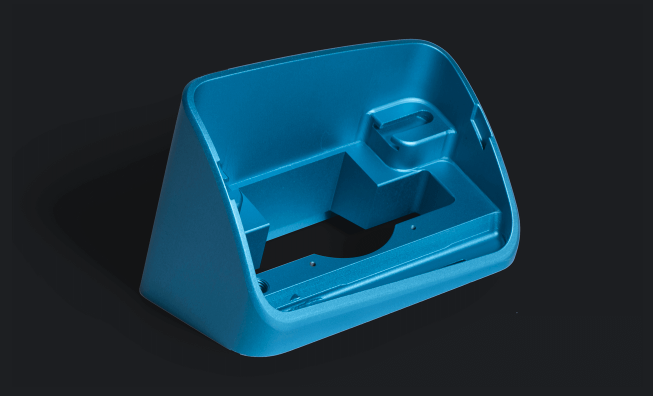
Aluminum is one of the most common choices for custom CNC machined parts because it offers a strong balance of machinability, weight, corrosion resistance, and cost. Aluminum 6061 is often the most practical option for housings, brackets, covers, and general structural parts, while 7075 is more suitable for higher-strength lightweight components where mechanical performance matters more than baseline cost. Aluminum is also a common choice when anodizing is required.
Stainless steel is typically selected when corrosion resistance, durability, and mechanical stability are more important than weight or machining speed. Stainless steel 304 is a common general-purpose grade for industrial and moisture-exposed parts, while 316 is more appropriate when the operating environment is more demanding. Stainless steel CNC machining usually carries a higher machining cost than aluminum, but it is often worth that tradeoff when service conditions justify it.
Carbon steel is a practical choice for cost-sensitive structural components, industrial machine parts, fixtures, and support parts where corrosion resistance is not the main priority. It is often selected when buyers want a balance between strength and value.
Lorem ipsum dolor sit amet, consectetur adipiscing elit. Ut elit tellus, luctus nec ullamcorper mattis, pulvinar dapibus leo.
Copper is generally chosen for electrical or thermal parts rather than general structural parts, while titanium is used where high strength-to-weight ratio, corrosion resistance, and demanding service conditions justify the higher material and machining cost.
Common Plastic Materials
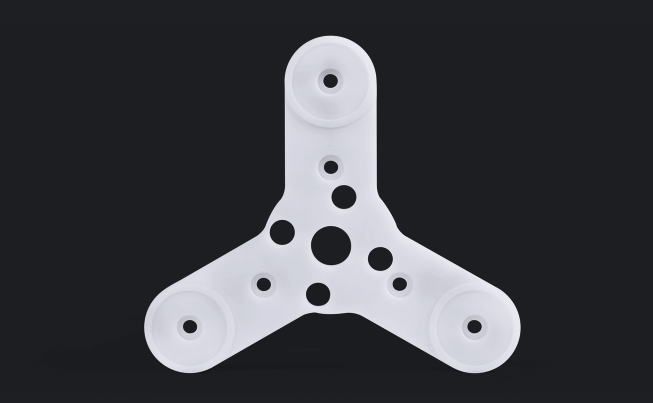
POM / Delrin is one of the most practical CNC machining plastics for precision plastic parts because it offers good dimensional stability, low friction, and clean machining performance. It is often selected for bushings, wear parts, and functional mechanical plastic components.
Nylon is widely used for functional plastic components and wear parts, especially where toughness matters, though it may be less stable than POM in tighter-tolerance applications.
ABS is a cost-effective option for prototype parts, enclosures, and general plastic covers when ease of machining and early-stage cost control matter more than maximum structural performance.
PC is selected when impact resistance or transparency matters, while PMMA / Acrylic is more suitable for clear visual parts where appearance matters more than impact toughness. PTFE is useful where low friction and chemical resistance are priorities, and PEEK is a high-performance engineering plastic for demanding thermal, chemical, or dimensional environments.
Material Selection Guidance
In practice, the best CNC machining material is the one that matches the actual job requirement, not the most expensive option on the list. Aluminum 6061 and carbon steel often work well for cost-sensitive metal parts. Stainless steel 304 or 316 is stronger when corrosion resistance matters. POM is often one of the best plastic choices for precision and cost balance. High-performance plastics such as PEEK should usually be reserved for applications where the part function truly needs them.
If material selection is still open, the most useful review is one that considers function, geometry, tolerance requirements, finishing needs, and target cost together rather than in isolation.
Tolerances & Precision
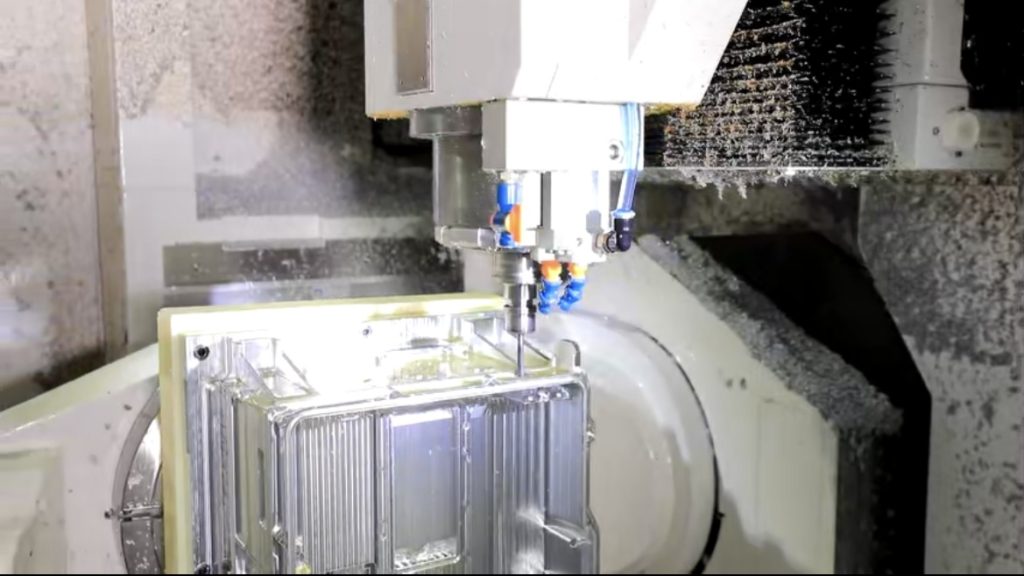
Precision CNC machining should start with one practical question: which features actually need tight control, and which dimensions can follow general machining tolerances without adding unnecessary cost.
| Description | |
|---|---|
| General Tolerances | Metals : ISO 2768-m Plastics : ISO 2768-c |
| Precision Tolerances | RapidDirect can manufacture and inspect parts with strict tolerances according to your drawing specifications and GD&T annotations, including tolerances tighter than +/- 0.001 inches. |
| Min Wall Thickness | 0.5mm |
| Min End Mill Size | 0.5mm |
| Min Drill Size | 1mm |
| Maximum Part Size | CNC Milling: 4000×1500×600 mm CNC Turning: 200×500 mm |
| Minimum Part Size | CNC Milling: 5×5 ×5 mm CNC Turning: 2×2 mm |
| Production Volume | Prototoyping: 1-100 pcs Low volume: 101-10,000 pcs High volume: Above 10,001 pcs |
| Lead Time | 5 bussiness days for most projects. Delivery of simple parts can be as fast as 1 day. |
Surface Finishing Options
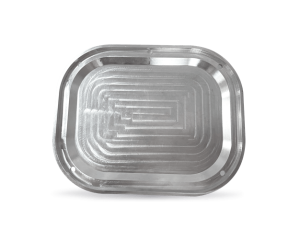
As Machined
Parts are machined and deburred, sharp edges are chamfered. Visible machining marks, light surface scratches.
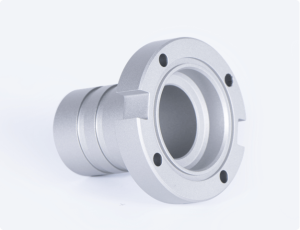
Bead Blasting
Parts are bead blasted with glass beads which results in smooth, matte appearance and reduced machining marks.
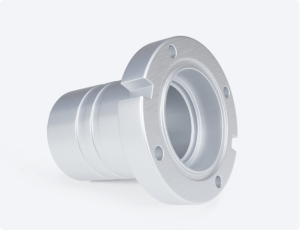
Brushing
Parts are brushed using an abrasive tool to create a pattern of fine parallel lines on the material surface.
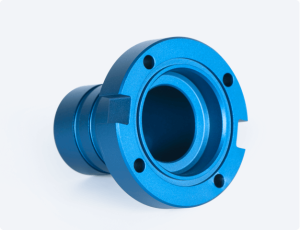
Anodizing
Anodizing creates a corrosion-resistant, uniform, matte or glossy finish. Parts can be anodized in different colors.
Design Guidelines
A part can be technically machinable and still be expensive, slow, or unstable to produce. Good design for CNC machining is about making the part easier to fixture, cut, inspect, and repeat in production.
| Guideline | Description |
|---|---|
| Core DFM Principles | Better DFM for CNC machining usually means: – practical wall thickness – reasonable hole size and hole depth – internal corner radii that match cutting-tool reality – controlled cavity depth – realistic thread depth – tight tolerances only where function requires them |
| Wall Thickness | The document uses these practical starting points: – Metals: around 0.8 mm – Plastics: around 1.5 mm – For some turned features, 0.5 mm / 0.020 in is treated as a lower threshold in many cases. |
| Holes and Hole Depth | Small holes and deep holes are common machining cost drivers. The design guidance recommends keeping holes as large as function allows and keeping drill-based hole depth around 4× diameter when possible, while noting that deeper drilling up to 12× diameter may be possible in more aggressive cases but becomes more process-sensitive. Blind holes should also include extra depth to account for drill tip shape and tool clearance. |
| Internal Corners and Tool Radius | Because milling tools are round, perfectly sharp internal corners are not practical in standard CNC milling. Slightly larger internal radii reduce tool load, improve machining efficiency, and lower cost. If a mating square feature truly needs clearance, relief features or dog-bone-style solutions are often better than forcing an unrealistic internal corner. |
| Threads | The guidance emphasizes that threads are easy to over-design. Standard thread sizes should be used where possible, and thread engagement of roughly 1×D to 2×D is often enough for many applications. Deeper threads usually add tapping difficulty and cycle time without delivering useful additional strength. |
| Deep Cavities and Long-Reach Features | Deep cavities are among the most common DFM problems. The recommendation is to keep cavity or pocket depth within about 4× tool width where possible, because long-reach tools reduce stiffness and increase chatter, deflection, and surface-finish problems. |
| Avoid Unnecessary Precision | Many CNC machined parts become expensive because the drawing asks for precision or finish quality where it does not improve function. Over-specified parts usually require more setup control, slower machining, more inspection, and higher scrap risk. A good drawing separates critical dimensions from general ones and clearly marks the surfaces that really matter. |
Typical Applications
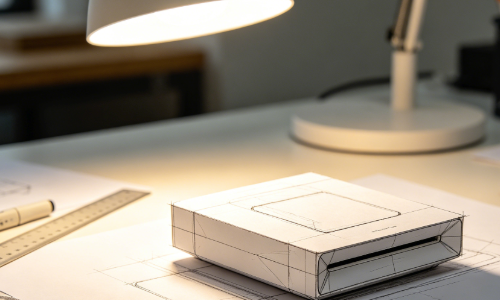
Concept Models
Concept models are early visual or physical representations that focus on product form, styling, and design concept.

Functional Prototypes
Functional prototypes are working models built to test core product functions and mechanical performance.
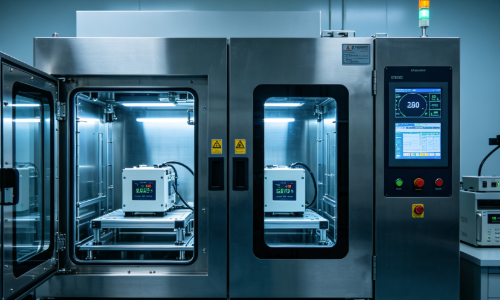
Engineering Validation
Engineering validation involves rigorous testing to confirm the product meets performance, reliability, and safety standards.
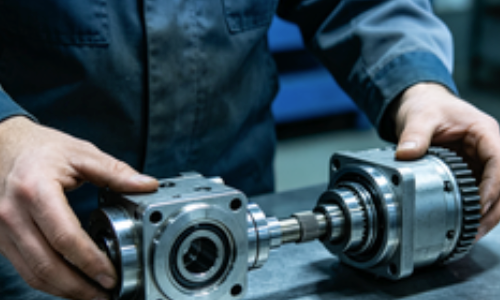
Fit & assembly testing
Fit & assembly testing checks dimensional accuracy and mating compatibility between parts and components.

Market testing samples
Market testing samples are near-final products used to collect consumer and retailer feedback.
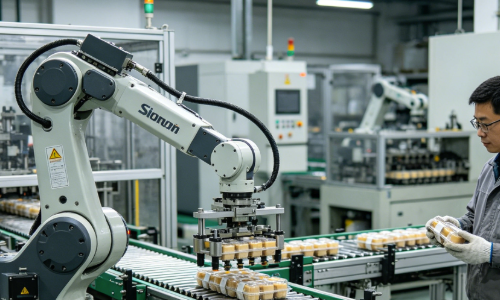
Bridge production
Bridge production is a limited pre-mass production run using near-final tools and processes.
Equipment & Capacity
A machine list alone does not help a buyer make a sourcing decision. What matters is whether the available processes and production planning match the part geometry, size range, tolerance target, and order volume. The source material frames equipment and capacity around that buyer logic rather than around branding or generic shop claims.
Quality Control Flow

Incoming inspection
This is the first control point because downstream quality problems often start with uncontrolled incoming material.

In-process inspection
This is particularly important in repeat-batch work or on parts where controlled fits matter.

Final inspection
Finished parts are checked against drawing requirements before shipment.

Documentation and traceability
For procurement teams, the real value of this structure is not just that parts are inspected.
Related Solutions
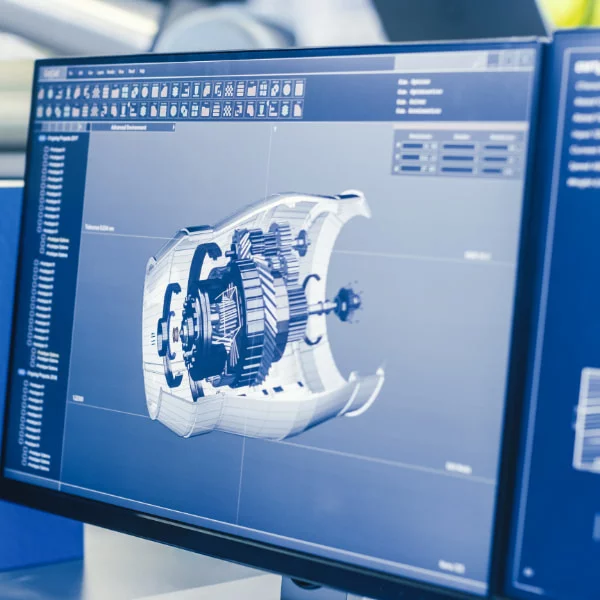
Rapid Prototyping
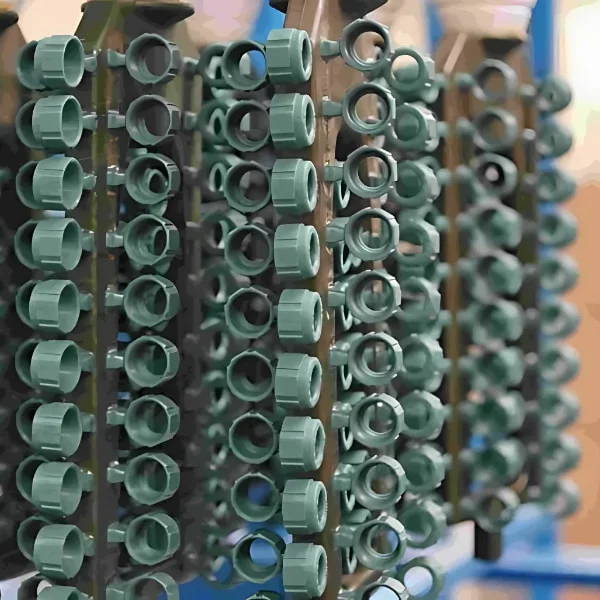
Low Volume Production
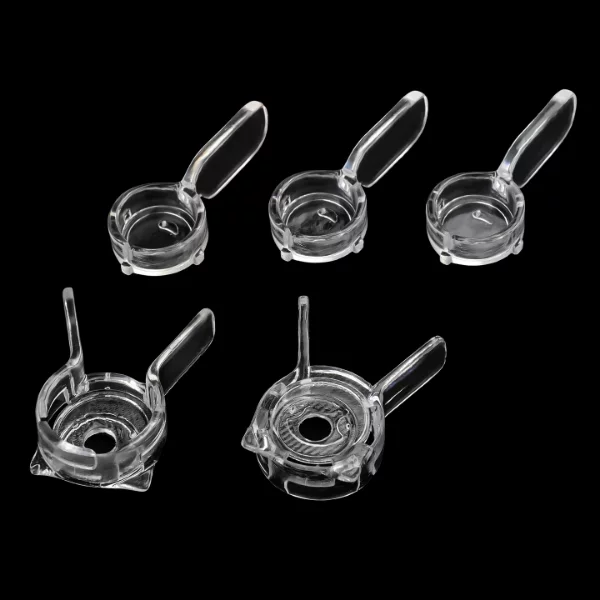
Production Tooling