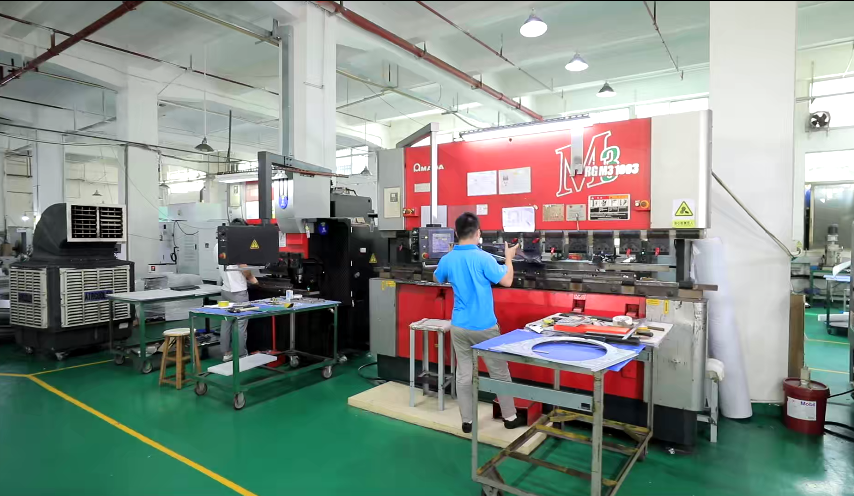
End-to-End Manufacturing
Rapid prototyping helps product teams move from digital design to physical parts quickly, so they can evaluate concepts, test function, verify engineering decisions, and refine products before production tooling is committed.
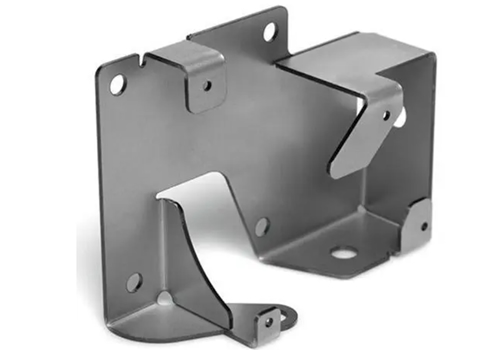
Overview
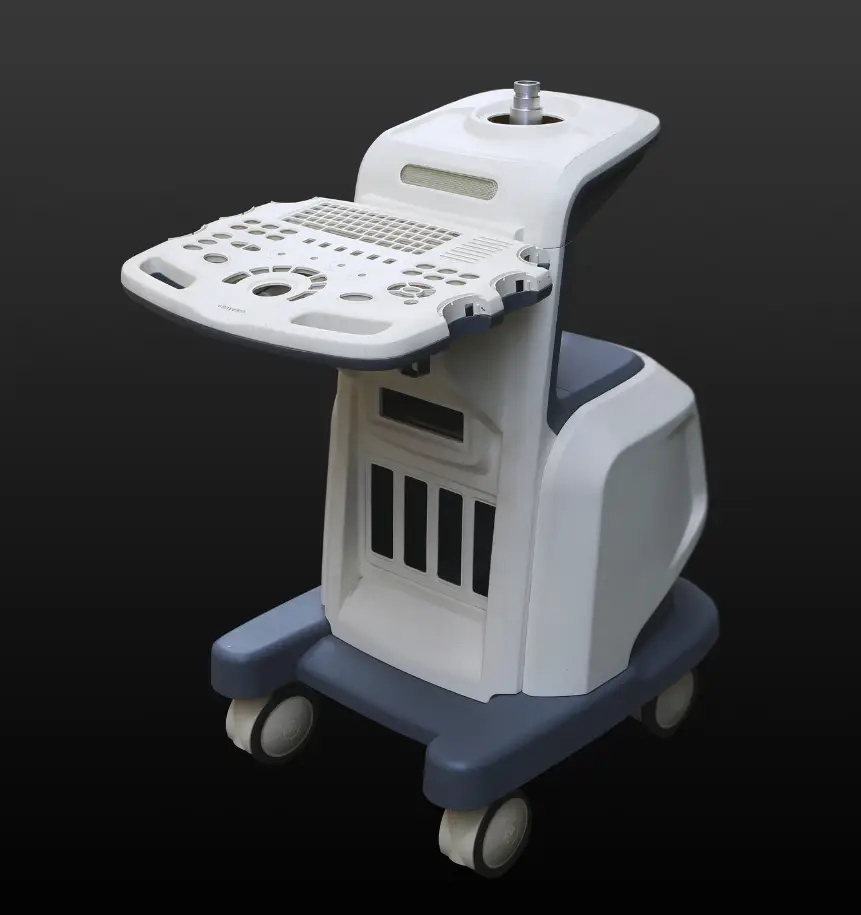
Rapid prototyping helps product teams move from digital design to physical parts quickly, so they can evaluate concepts, test function, verify engineering decisions, and refine products before production tooling is committed.
At EPOC, rapid prototyping supports everything from single engineering prototypes to small batches used for validation, demonstration, and early market preparation. The available process mix includes CNC prototype machining, 3D printing, vacuum casting, prototype injection molding, and sheet metal prototyping, allowing the manufacturing route to be matched to the part’s geometry, material needs, tolerance target, and development stage.
Typical Applications
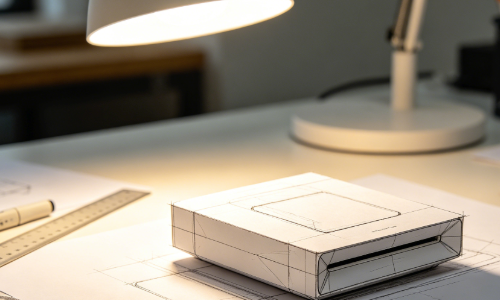
Concept Models
Concept models are early visual or physical representations that focus on product form, styling, and design concept.
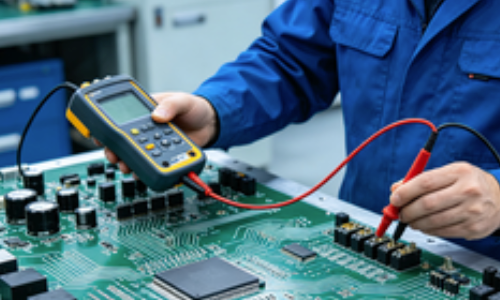
Functional Prototypes
Functional prototypes are working models built to test core product functions and mechanical performance.
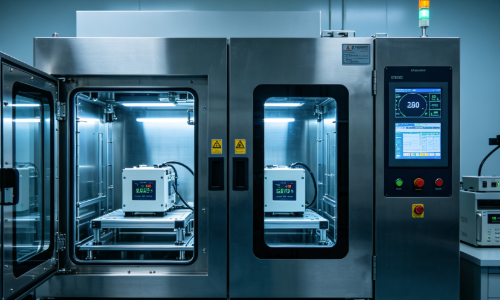
Engineering Validation
Engineering validation involves rigorous testing to confirm the product meets performance, reliability, and safety standards.
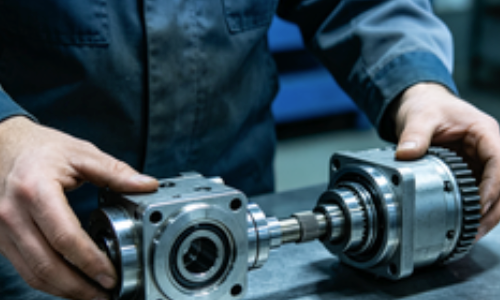
Fit & assembly testing
Fit & assembly testing checks dimensional accuracy and mating compatibility between parts and components.

Market testing samples
Market testing samples are near-final products used to collect consumer and retailer feedback.
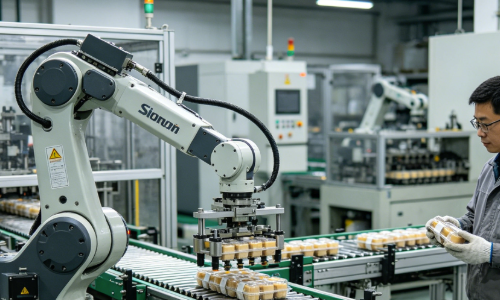
Bridge production
Bridge production is a limited pre-mass production run using near-final tools and processes.
Process Flow
Cost Considerations
The cost of rapid prototyping is shaped by technical and manufacturing choices rather than by process name alone. The current Rapid Prototyping material frames cost around several core factors: part design, material selection, chosen manufacturing technology, production quantity, and the role the part plays in development. Understanding these factors makes it easier to select the right route without overspending on a prototype that is intended only for early learning.
Recommended Capabilities
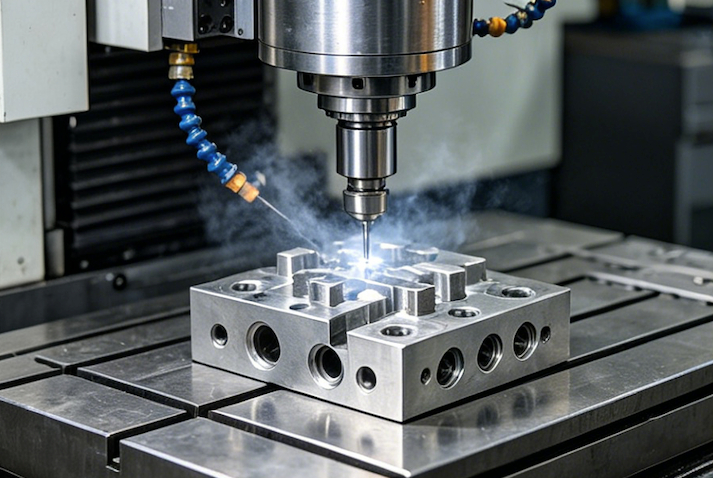
CNC Machining
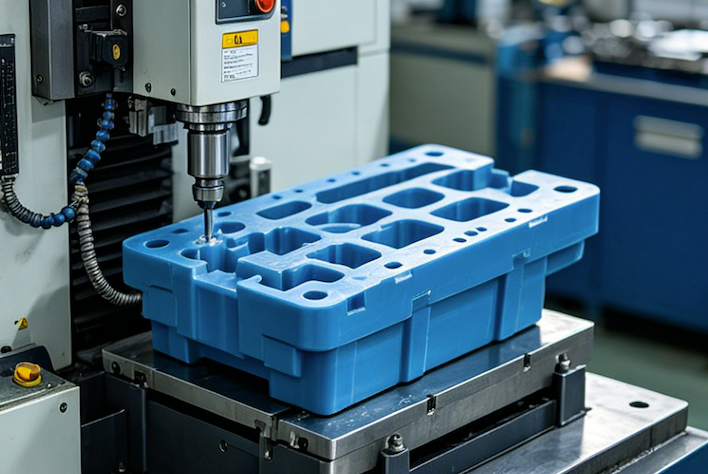
Rapid Injection Molding
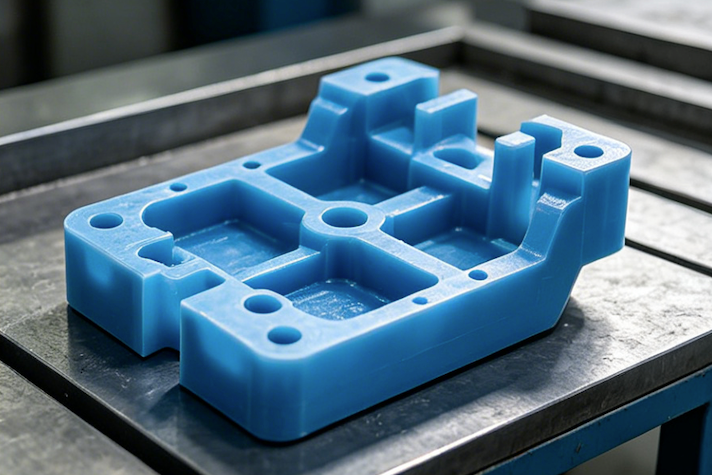
Vacuum Casting
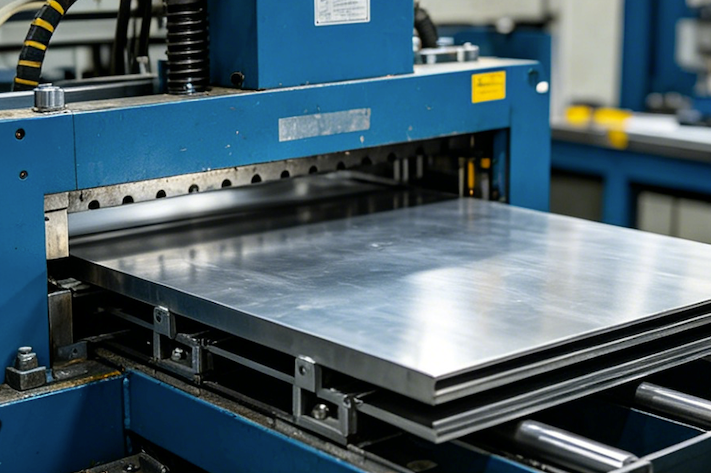
Sheet Metal Fabrication
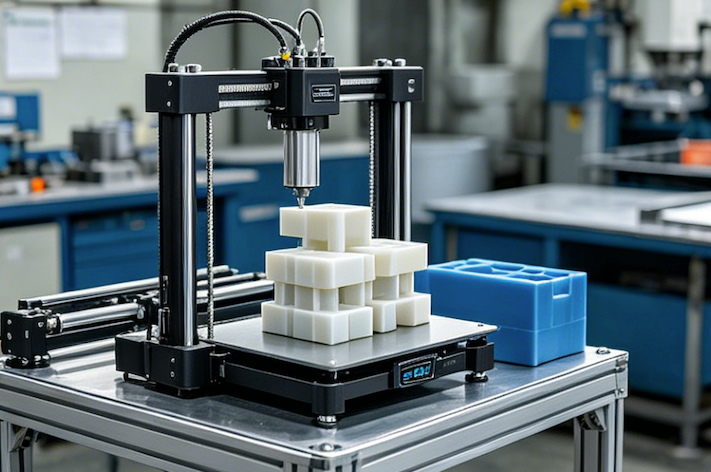
Additive Manufacturing
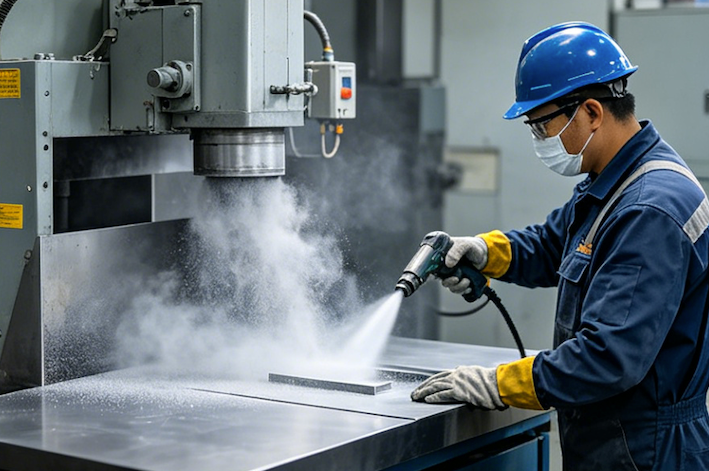
Surface Finishing
Related Case Studies
Why Work With EPOC
Prototype development often requires both manufacturing capability and engineering understanding. EPOC supports prototype projects through a combination of multiple manufacturing technologies, precision machining capability, plastic and metal material options, small-batch production support, and technical review for design evaluation. This allows product teams to move from digital design to functional prototype parts with more reliable manufacturing support.