Case Study: Pilot Production of a Medical Device Enclosure
Project Background
A medical device company was preparing for pilot builds of a handheld diagnostic unit before formal market launch. The product had already passed early prototype review, but the team still needed a stable enclosure solution for small-batch assembly, internal validation, and customer-facing demonstrations. The enclosure included multiple visible plastic housing parts, internal mounting features, alignment interfaces, and cosmetic exterior surfaces that needed to look close to a production-ready product.
At this stage, the customer was no longer looking for simple appearance prototypes. The main need was a controlled bridge between prototype development and future production tooling, with enough flexibility to refine remaining details without delaying the pilot schedule.
Customer Requirements
The customer’s requirements were specific, emphasizing production-like quality and efficiency for their critical pilot builds.
- production-like enclosure parts for pilot assembly
- good cosmetic consistency across visible exterior surfaces
- stable fit between upper and lower housing sections
- repeatable screw-boss and internal mounting alignment
- manageable tooling cost before full production release
- short lead time to support pilot build timing
- inspection records for key assembly-related dimensions
Engineering Challenges
The main engineering challenge was not simply making the plastic parts. It was making them stable enough for pilot use, with critical cosmetic and functional requirements.
- Risk Areas (with bullet points and brief explanations):
- Visible cosmetic faces: Could not tolerate obvious sink or surface inconsistency.
- Multiple internal bosses and mounting features: Directly affected PCB alignment.
- Joining edges between housing halves: Gap consistency was crucial for appearance and fit.
- Dimensional sensitivity: Around fastening points and locator features.
- Limited schedule margin: Before pilot assembly started.
- Process-Selection Challenge:
- Explanation of why CNC machining and full production tooling were not ideal.
- Emphasis on the need for a “middle path.”
Manufacturing Solution
EPOC recommended a rapid injection molding route using production-family plastic material and a tooling strategy designed for pilot and bridge-stage output rather than full long-run production.
- DFM review before tooling release.
- Review of wall thickness transitions and boss geometry.
- Adjustment of selected cosmetic and structural features to reduce sink risk.
- Confirmation of critical assembly-related dimensions on the drawing.
- Pilot-oriented mold strategy to shorten T1 timing.
- Molded sample review before stable batch release.
Process Controls
To keep the project under control, EPOC applied several key process controls from the outset, mitigating risks and ensuring project stability.
- Numbered List of Controls:
- DFM-based geometry review: Boss transitions, wall balance, and local mass concentration reviewed before tooling release.
- CTQ feature identification: Key housing interfaces, screw-boss locations, and selected internal mounting dimensions treated as critical-to-quality.
- Sample-stage validation before wider release: T1 samples used to verify fit, cosmetic condition, and assembly behavior.
- Controlled communication loop: Engineering feedback, sample review, and approval decisions handled in a structured sequence.
Results & Metrics
Through strategic partnership and expert manufacturing, this project delivered tangible results that directly supported the customer’s market readiness.
- T1 sample release within the pilot development window.
- Pilot batch delivered in time for customer assembly planning.
- Stable fit between major housing sections during pilot builds.
- Improved cosmetic consistency after early DFM-led geometry adjustment.
- Reduced risk of rework on PCB mounting and fastener alignment features.
- Lower upfront tooling commitment compared with immediate production tooling release.
Recommended Capabilities
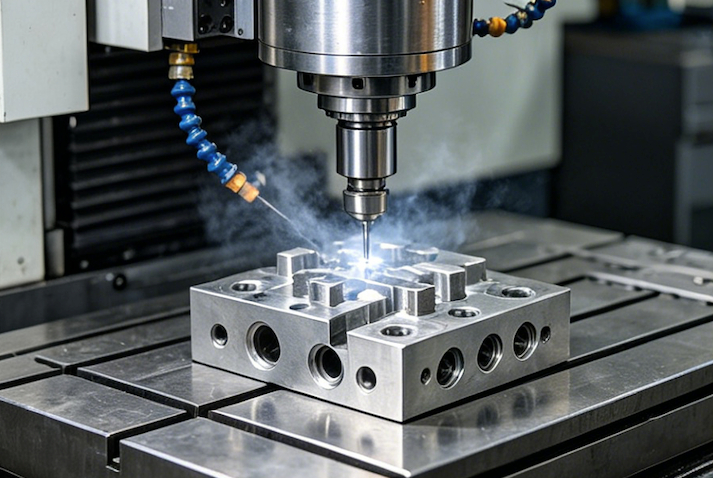
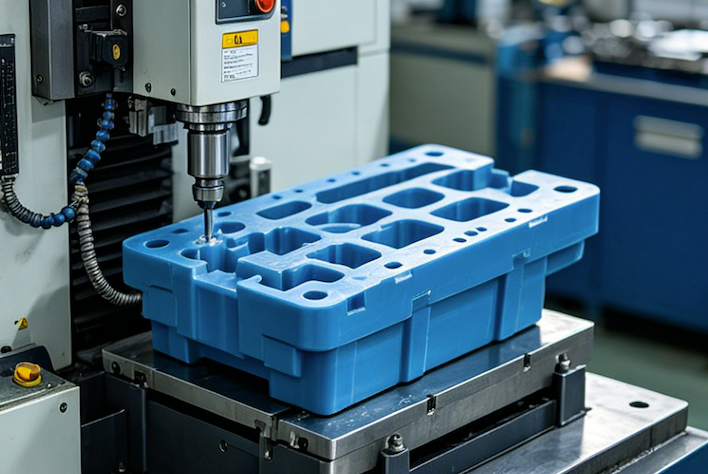
CNC Machining
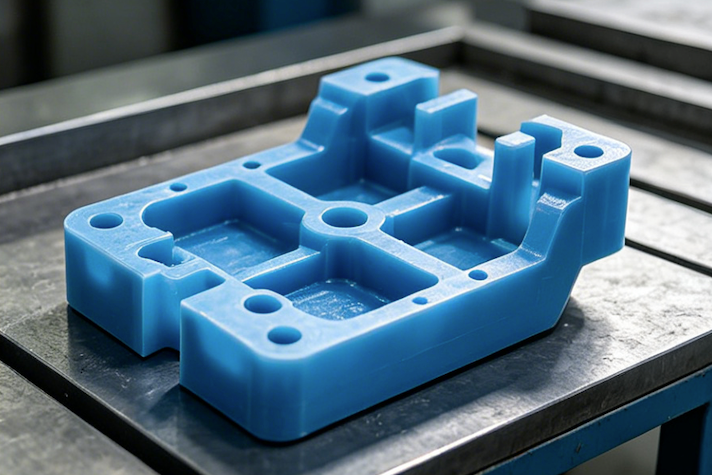
Rapid Injection Molding
Vacuum Casting
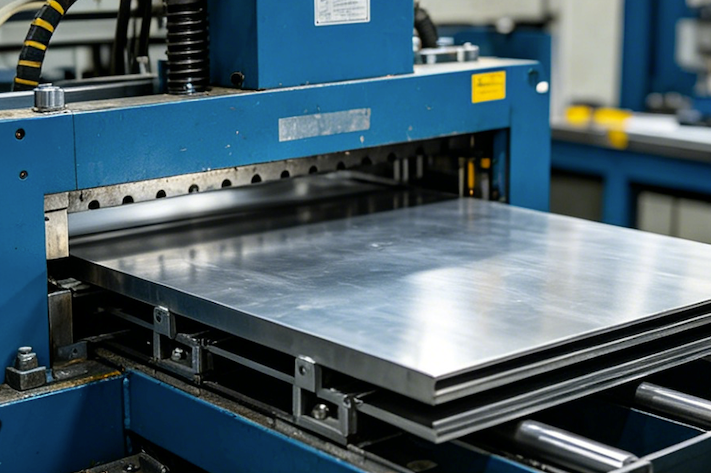
Sheet Metal Fabrication
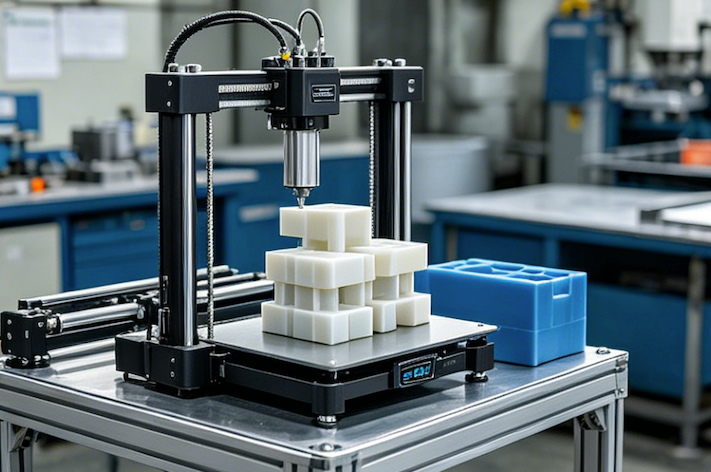
Additive Manufacturing