
High Volume Manufacturing Services
Scale your production with precision CNC machining, injection molding, sheet metal fabrication, and assembly. EPOC CRAFTER supports custom parts manufacturing with production planning, quality control, and repeat-order coordination.
Overview

High volume manufacturing requires more than producing large quantities of identical parts. It depends on stable processes, production-ready tooling, consistent quality, predictable manufacturing costs, and reliable delivery across repeated orders. Unlike low volume production, mass production prioritizes repeatable output, process stability, and long-term supply after the product design has been validated.
EPOC CRAFTER supports high volume production of custom metal and plastic components through high volume CNC machining , production injection mold tooling , and sheet metal fabrication services . Manufacturing process selection considers annual demand, material specifications, part geometry, tolerance requirements, equipment capacity, and the cost of maintaining consistent quality throughout the production program.
For OEMs and procurement teams, successful mass production also requires production scheduling, first article inspection, process control, batch traceability, and coordinated repeat orders. EPOC CRAFTER supports these requirements through manufacturing, inspection, surface finishing, and assembly coordination. Our end to end manufacturing approach helps reduce supplier handoffs and maintain continuity from approved production samples to ongoing deliveries.
Manufacturing Processes & Capacity
EPOC CRAFTER provides industrial manufacturing services for custom metal and plastic components. High volume production programs are evaluated according to part geometry, annual production volume, tolerance requirements, material selection, manufacturing capacity, and total production cost. The appropriate process is selected to support repeatability and ongoing supply.

High Volume CNC Machining
High volume CNC machining supports custom CNC machined parts requiring controlled dimensions and repeatable production. Five-axis machining provides additional access to complex features, while process selection considers setup requirements, machining time, tool access, and critical tolerances. Precision CNC machining services can be planned for scheduled production quantities and repeat orders.

CNC Production Capacity
Production CNC machining uses approved machining programs, fixtures, cutting tools, and inspection requirements to support repeat manufacturing. Multiple CNC machining centers provide equipment options for production scheduling and batch manufacturing. CNC production machining plans consider machine availability, cycle time, setup frequency, and delivery requirements.

High Volume Injection Molding
High volume injection molding supports repeat production of custom plastic parts. Mold design, cavity count, resin selection, injection molding cycle time, and tooling investment influence manufacturing cost. Multi cavity injection molding may improve output for suitable parts. Injection molding process control and injection mold maintenance help support stable production conditions.

Precision Sheet Metal Fabrication
Precision sheet metal fabrication supports repeat manufacturing of metal brackets, panels, enclosures, and other fabricated components. Industrial sheet metal fabrication can combine CNC laser cutting services, forming, hardware installation, and finishing. Sheet metal production planning considers material yield, cutting efficiency, dimensional requirements, and production cost.

Metal Finishing Services
Metal finishing services support functional protection and appearance requirements for manufactured components. Aluminum anodizing services and other specified finishes are coordinated with substrate requirements, coating specifications, cosmetic acceptance criteria, and production lot identification to support consistency across repeat orders.

Specialized Metal Additive Manufacturing
Metal additive manufacturing is considered for selected components with complex internal geometry, specialized tooling requirements, or features that are difficult to machine. Suitability depends on material properties, build capacity, post-processing needs, inspection requirements, and production volume. Conventional manufacturing may offer better unit economics for higher quantities.

CNC Turning Production
High volume CNC turning supports repeat manufacturing of precision turned components, including shafts, bushings, sleeves, pins, and other rotational parts. As a CNC turned parts manufacturer, EPOC CRAFTER evaluates material selection, machining cycle time, tool wear, dimensional requirements, and production quantities. CNC turning operations can be coordinated with milling, finishing, inspection, and scheduled repeat orders.
Production Planning & Ramp-Up
Production planning converts approved product specifications and customer demand into a controlled manufacturing program. Design for manufacturing, production tooling, manufacturing capacity planning, quality requirements, and production scheduling are reviewed before production ramp up and repeat-order release.
Production Requirements & DFM Review
Confirm final CAD files, engineering drawings, material specifications, annual production volume, release quantities, and critical tolerances. Design for manufacturing evaluates geometry, process selection, inspection requirements, and manufacturing cost reduction opportunities before the production plan is approved.
Production Tooling & First Article Approval
Prepare production tooling, CNC fixtures, injection molds, or other required equipment according to the selected manufacturing process. First article inspection and applicable manufacturing process validation activities establish documented evidence before routine batch production is released.
Manufacturing Capacity Planning
Manufacturing capacity planning evaluates machine availability, setup requirements, tooling readiness, material supply, and anticipated production lead time. Production scheduling is coordinated with the agreed order quantity, delivery schedule, and available production capacity to reduce avoidable bottlenecks.
Engineering Change Control
Engineering change control helps maintain alignment between approved drawings, machining programs, tooling, inspection instructions, and production records. Drawing revisions and customer-approved changes are reviewed for their effect on tooling, unit cost, manufacturing lead time, and existing work in progress.
Controlled Production & Repeat Releases
Repeat production follows approved process settings, the manufacturing control plan, applicable inspection checkpoints, and documented order requirements. CNC tool management, production monitoring, and batch identification help support consistent manufacturing. Subsequent releases are coordinated with customer demand and agreed delivery schedules.

Production Volume & Lead Time Planning
High volume manufacturing requires planning around forecast demand, production-ready tooling, manufacturing cycle time, available equipment capacity, and scheduled release quantities. Programs involving 10,000 or more parts may be produced through one or several manufacturing releases. Actual production quantities and lead times are determined during quotation.
| Manufacturing Process | Volume Planning | Lead Time Considerations |
|---|---|---|
| High Volume CNC Machining | Production quantities are planned against machine capacity and approved release schedules. | CNC machining lead time depends on material availability, machining cycle time, fixture requirements, machine allocation, setup frequency, and dimensional inspection scope. |
| High Volume Injection Molding | Production output depends on mold cavity count, molding cycle time, available press capacity, and approved production quantities. | For preliminary planning, new production tooling may require approximately 4 to 12 weeks. Trial adjustments and customer sample approval may require a further 2 to 3 weeks after T0. Actual timing depends on mold complexity, validation requirements, and project approval. |
| High Volume Sheet Metal Fabrication | Planned quantities depend on cutting or punching throughput, forming requirements, and downstream operations. | Lead time is influenced by sheet material availability, nesting, cutting, bending, welding, hardware installation, finishing, and inspection requirements. |
| Surface Finishing & Assembly | Processing batches are aligned with approved manufacturing lots and the required delivery schedule. | Timing depends on coating or anodizing requirements, surface preparation, curing where applicable, assembly operations, final inspection, packaging, and shipment coordination. |
The 10,000-part volume reference is not a universal minimum order quantity or a guaranteed production threshold. All lead times are indicative planning references. Confirmed schedules depend on part complexity, tooling status, material supply, inspection requirements, manufacturing capacity, and approved purchase orders.
Planning a High Volume Production Run?
Request a quote for high volume manufacturing and custom parts manufacturing. Submit your STEP, IGES, or PDF drawings with expected annual demand, release quantities, material specifications, critical tolerances, and target delivery dates. Our team will review manufacturing feasibility, production tooling, manufacturing capacity planning, quality requirements, and factors affecting volume based pricing.
Quality Consistency & Traceability
Quality control in manufacturing begins with approved specifications and continues through production inspection, process monitoring, and documented acceptance. For high volume production, the objective is to maintain dimensional consistency, identify process variation, and preserve manufacturing traceability across repeat orders.


First Article Inspection & Production Approval
First article inspection compares selected dimensions and characteristics with approved engineering drawings before production acceptance. CMM inspection and dimensional inspection provide measurement evidence for critical features. An FAI report or Production Part Approval Process (PPAP) documentation can be arranged when specified by the customer.
In-Process Inspection & Quality Control
A quality control plan defines inspection checkpoints, measurement methods, acceptance criteria, and required records. In-process inspection helps identify tool wear, dimensional drift, and other changes before additional parts are affected. The manufacturing control plan is aligned with the approved production process and specified characteristics.
Process Capability & First Pass Yield
Statistical process control can be applied to designated characteristics when sufficient measurement data are available. The process capability index and Cpk process capability evaluation help assess process variation against specification limits. First pass yield provides another measure of production quality when the inspection and acceptance basis is consistently defined.
Lot Traceability & Quality Records
Lot traceability connects manufactured parts with applicable production records, inspection results, material identification, and approved drawing revisions. Material traceability, final inspection records, and manufacturing documentation support quality verification and investigation of discrepancies between production lots.
Supply Chain & Repeat Deliveries
A dependable manufacturing supply chain requires coordination across material sourcing, production capacity, secondary processing, quality control, and shipment scheduling. EPOC CRAFTER supports custom parts manufacturing through coordinated production planning and repeat-order management based on agreed purchasing and delivery requirements.
Supplier Quality Management
Supplier quality management connects material specifications, purchasing requirements, incoming inspection, and approved manufacturing processes. Supplier quality assurance and supplier qualification requirements can be incorporated into the agreed quality control plan to reduce variation between production lots.
Supply Risk & Material Planning
Supplier risk assessment considers material availability, manufacturing capacity, process dependencies, and potential delivery disruptions. Production forecasts and purchasing coordination support supply chain continuity. Alternative sourcing and supply chain risk mitigation measures are evaluated where project requirements and approved specifications permit.
Assembly, Finishing & Packaging
Turnkey contract manufacturing can combine precision machining, injection molding, sheet metal fabrication, metal finishing, and contract assembly services. Mechanical assembly services and production packaging are coordinated with approved drawings, inspection requirements, and part protection needs for completed assemblies.
Scheduled Releases & Repeat Orders
Blanket purchase orders and scheduled releases can help align manufacturing activity with forecast demand when commercially agreed. Production logistics, manufacturing lead time, and shipment frequency are reviewed during order planning. Delivery performance can be evaluated against agreed on time in full requirements.

Information for Repeat Production Orders
To plan production scheduling and purchasing requirements, provide the following information with your RFQ or repeat-order request.
- Approved drawings and revision levels
- Annual demand and expected release quantities
- Material and finishing specifications
- Required quality records and lot traceability
- Packaging and shipment requirements
- Target delivery dates and purchasing terms
Cost Optimization at Scale
High volume manufacturing cost depends on production quantity, tooling investment, manufacturing cycle time, material utilization, secondary operations, inspection, and logistics. Unit manufacturing cost may decrease when fixed preparation expenses are distributed across larger quantities, although cost reductions are not necessarily linear.
Manufacturing cost reduction requires comparing the complete production program. A cost breakdown analysis evaluates material, machining or molding, tooling amortization, quality requirements, and delivered cost. Expected annual demand and scheduled release quantities also influence volume based pricing.
CNC machining cost, injection molding cost, and sheet metal fabrication cost follow different economic models. Manufacturing process selection should consider both initial investment and recurring production cost before committing to a manufacturing route.

| Manufacturing Process | Primary Cost Drivers | Cost Control Focus |
|---|---|---|
| High Volume CNC Machining | Material selection, machine cycle time, programming, fixtures, setup frequency, tool wear, and dimensional inspection. | Reduce unnecessary setups, improve fixture utilization, optimize tool paths, and distribute fixed preparation costs across approved production quantities. |
| Production Injection Molding | Injection molding tooling cost, mold cavity count, molding cycle time, resin consumption, maintenance, inspection, and rejected parts. | Evaluate mold configuration, multi cavity injection molding, production yield, cycle stability, and tooling amortization over expected lifetime demand. |
| Sheet Metal Production | Sheet material, cutting time, nesting efficiency, bending operations, production tooling, hardware insertion, and finishing. | Improve material utilization, simplify forming operations, reduce unnecessary handling, and coordinate repeat manufacturing batches. |
| Surface Finishing & Assembly | Surface preparation, masking, coating batches, inspection, assembly labor, production packaging, and logistics. | Standardize approved finishing requirements, coordinate compatible processing lots, improve assembly consistency, and reduce avoidable handling and rework. |
Tooling Amortization Example
Consider a production injection mold with an illustrative tooling investment of $20,000. When this cost is distributed across 100,000 acceptable parts, the tooling allocation is $0.20 per part. Across 200,000 acceptable parts, the allocation decreases to $0.10 per part.
$20,000 / 200,000 parts = $0.10 per part
This example demonstrates tooling amortization only. It excludes resin, molding, maintenance, inspection, freight, and other manufacturing costs. It assumes the same mold remains suitable for the required quantity without additional capital investment.
Production Volume & Unit Cost
Manufacturing cost per unit depends on expected lifetime demand, release quantities, recurring setup costs, and equipment utilization. Volume based pricing should reflect the agreed purchasing arrangement rather than assume unlimited savings from additional quantity.
Manufacturing Cycle Time & Yield
Manufacturing cycle time, first pass yield, scrap, and rework affect production cost per unit. Cost analysis should account for acceptable finished parts rather than relying only on theoretical machine throughput.
Tooling & Process Selection
Dedicated tooling may reduce recurring costs, but higher initial investment requires sufficient production demand. CNC machining, injection molding, and sheet metal processes should be compared using geometry, material, tolerance, tooling life, and forecast quantity.
Total Delivered Manufacturing Cost
Manufacturing cost analysis should include finishing, assembly, inspection, packaging, logistics, and agreed delivery frequency. The lowest individual processing price does not always produce the lowest total purchasing cost.
Recommended Capabilities

CNC Machining

Rapid Injection Molding

Vacuum Casting

Sheet Metal Fabrication

Additive Manufacturing

Surface Finishing

Related Case Studies
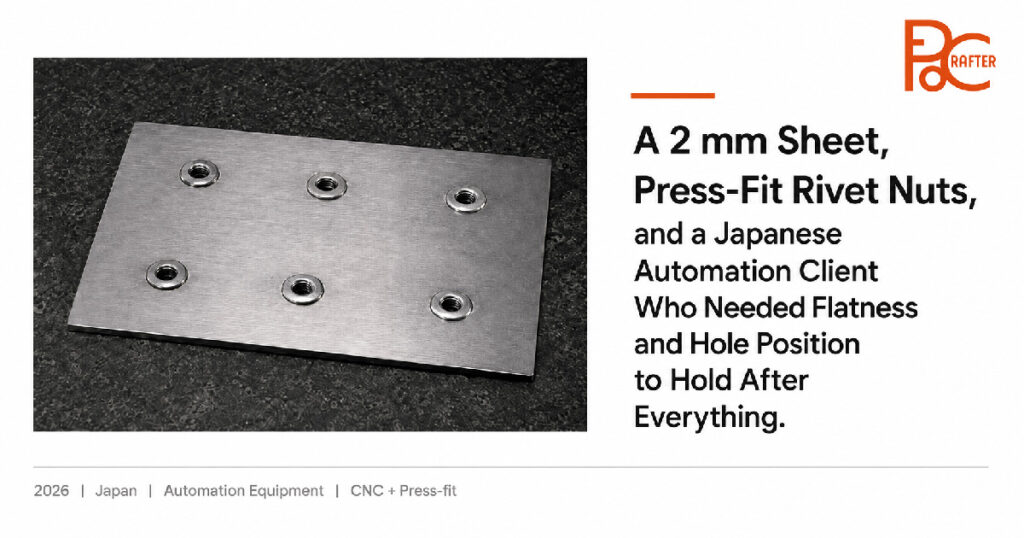
Press-Fit Rivet Nut Installation in a 2 mm SPHC Sheet: How We Held Flatness ≤ 0.08 mm for a Japanese Automation Buyer
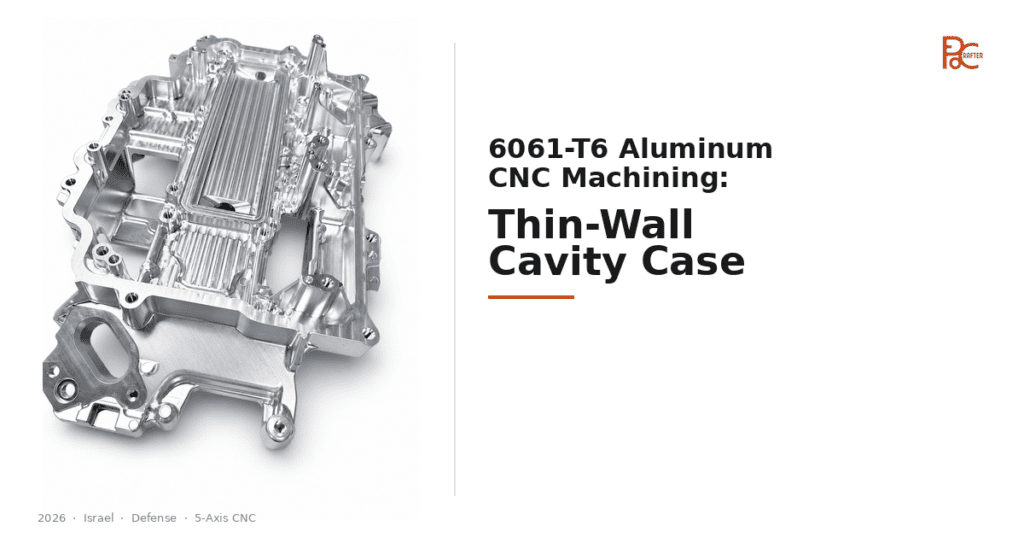
How a 300×280×260mm 6061-T6 Aluminum CNC Machining Cavity Held 0.04mm Flatness Across Six Faces
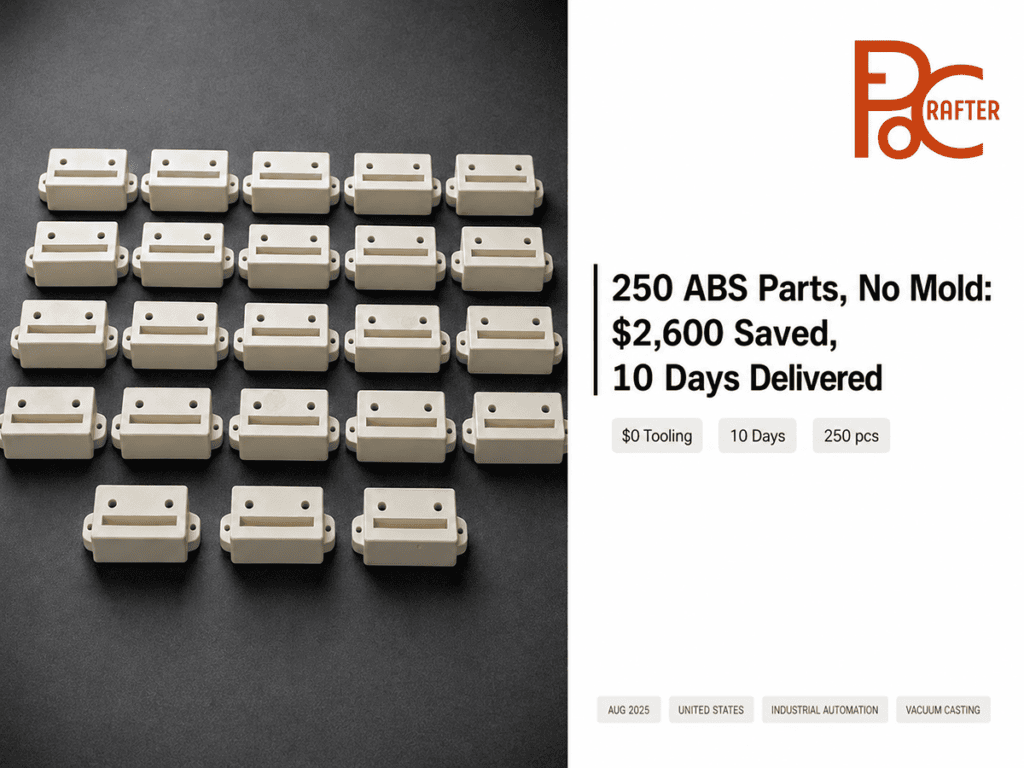
Cast Urethane Parts, No Steel Mold: A 250-Piece Case for an Automation Client

CNC Machined Aluminum Parts: 160-Piece Order from CAD to Europe in 9 Days

Stainless Steel CNC Machining: How We Held 0.018 mm Profile on a 316L Cantilever S-Hook

Anodized Aluminum Parts for EV Interior Trim: A 6063 Console Panel That Cleared German CMF Review
Why Work With EPOC CRAFTER
High volume production requires coordination between engineering, manufacturing, quality control, and delivery. Managing these activities through disconnected suppliers can introduce additional communication, scheduling, and inspection risks.
EPOC CRAFTER supports custom metal and plastic parts manufacturing through CNC machining, injection molding, sheet metal fabrication, surface finishing, and assembly. Our team coordinates drawing reviews, production planning, tooling requirements, first article inspection, and manufacturing quality control according to project specifications.
Our ISO 9001:2015 quality management system supports documented manufacturing and inspection processes. ISO 13485:2016 certification also covers the processing of hardware and plastic components for medical equipment within its certified scope.
For OEM customers and purchasing teams, we provide one project coordination point for manufacturing requirements, inspection documentation, repeat orders, and international delivery. The objective is consistent production quality and a supply arrangement aligned with the approved drawings, quantities, and delivery schedule.

Ready to Run Your First Production Batch?
50 to 10,000 parts. CNC, aluminum-tool injection molding, vacuum casting, and sheet metal under one roof. One quote covers process, tooling, finishing, and shipping.
Ready to scale beyond 10,000 parts? See Production Tooling →
High Volume Manufacturing: Common Questions
What is the minimum order quantity for high volume manufacturing?
There is no universal minimum order quantity. CNC machining, injection molding, and sheet metal fabrication have different setup costs and production economics. We evaluate the immediate order quantity, projected annual demand, part geometry, and tooling requirements before recommending a production route. A production quotation confirms the practical batch quantity for the project.
What is the difference between low volume and high volume manufacturing?
Low volume manufacturing commonly supports pilot builds, market testing, and bridge production. High volume manufacturing emphasizes repeatable processes, unit cost, batch consistency, and continuing supply. The dividing quantity depends on the manufacturing process and economics. See our low volume production services for smaller manufacturing programs.
Should I provide annual production volume or the initial order quantity?
Provide both. The initial order quantity determines immediate material, manufacturing, and delivery requirements. Projected annual volume helps evaluate tooling investment, production capacity, and volume pricing. If demand is uncertain, provide an estimated range and expected order frequency. Any capacity reservation or long-term pricing must be agreed separately.
What information is required for a mass production quotation?
Submit a STEP model, current 2D drawing, material grade, critical tolerances, surface finish, initial quantity, annual forecast, and required delivery schedule. Include inspection and documentation requirements. For assemblies, provide a bill of materials and assembly drawings. Identify the approved drawing revision so pricing and production planning use the correct design.
Which manufacturing process is best for large production orders?
Process selection depends on material, geometry, tolerances, production volume, and tooling economics. CNC machining suits many precision metal components. Injection molding can be economical for repeated plastic parts once tooling investment is justified. Sheet metal fabrication suits cut and formed metal components. Engineering review should compare total production cost and functional requirements.
Can CNC machining be used for high volume production?
Yes. High volume CNC machining can manufacture repeat orders of precision metal and engineering plastic components. Output depends on machining cycle time, available machines, fixtures, and production scheduling. For larger recurring quantities, fixture optimization and stable machining programs can improve consistency and efficiency. Review our precision CNC machining services.
When is injection molding more economical than CNC machining?
Injection molding may offer a lower unit cost for suitable thermoplastic components at sufficient production quantities. However, mold design, tooling investment, material properties, and expected lifetime demand must be included in the comparison. CNC machining remains useful for metal parts, specific stock materials, and geometries where dedicated molding tools are unsuitable.
How does mold cavity count affect high volume injection molding?
Multiple cavities can produce more parts per molding cycle, but they increase tooling complexity and may require more demanding runner, cooling, and ejection designs. Cavity balance, machine capacity, part quality, and maintenance must be considered. More cavities do not automatically produce the lowest lifetime cost.
Who owns and maintains the production injection mold?
Mold ownership, storage, maintenance, repair costs, and transfer rights should be defined in the tooling agreement. Customer-funded tooling should have clear ownership provisions. Maintenance requirements depend on mold construction, resin, production cycles, and wear. Confirm these terms before ordering production injection mold tooling.
How long does production injection mold manufacturing take?
Lead time depends on mold size, cavity count, steel selection, cooling design, and moving components. The schedule includes design approval, machining, fitting, assembly, trials, corrections, and sample acceptance. Multi-cavity or hot-runner molds generally require more preparation than simple single-cavity tools. Production release follows the agreed validation requirements.
How is injection molding production time calculated?
The estimate uses accepted parts per cycle, molding cycle time, planned machine availability, expected production losses, and required quantity. Mold maintenance, material changes, inspection, and packaging add time. Cavity count alone is insufficient because actual production yield and machine utilization affect output.
How is manufacturing cost per part calculated?
Cost per part includes material, manufacturing time, tooling or setup allocation, secondary operations, inspection, and applicable overhead. Tooling amortization depends on the planned production quantity. Packaging and logistics may be quoted separately. A reliable comparison should use identical specifications, quantities, and delivery terms.
Does ordering more parts always reduce the unit price?
Not always. Larger quantities distribute fixed costs across more parts, but material prices, equipment utilization, inspection, tooling wear, and production constraints can create pricing changes. Higher order quantities also increase inventory exposure. Compare several quantities and the total supply cost before choosing an order size.
How does tooling amortization affect production pricing?
Tooling amortization distributes an initial tool investment over an agreed quantity of acceptable parts. A $20,000 mold allocated across 100,000 parts contributes $0.20 per part before molding and other costs. Reorders may have different pricing depending on tooling ownership, remaining tool life, maintenance, and commercial terms.
How can production costs be reduced without compromising quality?
Review machining setups, cycle time, material utilization, tooling design, and unnecessary secondary operations. Apply tight tolerances to features that require them rather than every dimension. Changes affecting materials, geometry, or inspection must receive engineering approval. Cost reduction should be verified against the same functional and acceptance requirements.
What determines high volume manufacturing lead time?
Lead time includes engineering review, material procurement, tooling and fixtures, production, inspection, finishing, and packaging. First-time production may also require tooling trials and customer approval. State the required shipment dates and batch quantities so capacity and material availability can be evaluated before scheduling.
Are repeat production orders faster than the first order?
Repeat orders may require less engineering and setup preparation when the drawing, tooling, fixtures, and manufacturing process remain unchanged. However, actual lead time still depends on material availability, machine scheduling, order quantity, and inspection. Reorders should reference the approved part number and drawing revision.
Can large production orders be delivered in scheduled batches?
Scheduled shipments can be discussed during quotation. Provide the total quantity, required batch sizes, delivery dates, and destination for each shipment. Production and logistics planning must account for inspection release, packaging, transit, and any material commitments. Shipment frequency and commercial terms are confirmed in the purchase agreement.
How do you manage material availability for recurring production?
Material planning considers the specified grade, expected order quantities, purchasing lead time, and required delivery schedule. Customers should provide forecasts for materials with long procurement periods. Alternative grades or suppliers must be reviewed and approved when material identity, performance, or certification requirements could be affected.
Is first article inspection required before mass production?
First article inspection verifies specified characteristics on initial production parts before further manufacturing release. Its scope depends on customer requirements, part criticality, and the manufacturing process. A formal FAI report may be required for regulated or customer-controlled programs. Identify the reporting format and approval requirements before production.
When should CMM inspection be used for production parts?
CMM inspection is useful for geometric relationships, positional tolerances, and features that are difficult to verify with hand gauges. The inspection method must account for drawing datums, measurement uncertainty, access, and part condition. Not every feature requires CMM measurement. The inspection plan should reflect functional risk and acceptance criteria.
Do you inspect every part or use sampling inspection?
Inspection frequency depends on critical characteristics, process stability, lot size, and customer requirements. Some features may require 100% inspection, while others may use an agreed sampling plan. Sampling does not guarantee that every uninspected part conforms. The plan and acceptance criteria should be documented before production.
How are SPC and Cpk used in manufacturing quality control?
Statistical process control tracks process behavior over time and can help identify unusual variation. Cpk evaluates process capability relative to specification limits when its statistical assumptions are appropriate. A meaningful study requires a defined characteristic, suitable measurement system, sufficient data, and evidence of process stability. Required capability limits must be agreed with the customer.
What traceability and quality documents are available?
Depending on the project, records may include material certificates, heat or lot identification, first article inspection, dimensional reports, Certificates of Conformance, and production batch records. Document availability and traceability depth depend on material sourcing and the agreed quality plan. Specify required records before quotation.
Can automotive production orders include PPAP documentation?
Customer-specific PPAP requirements should be identified before quotation. The agreed submission level may involve dimensional results, process records, material evidence, capability studies, and other approval documents. The availability, responsibilities, sample quantities, cost, and timing must be confirmed for the specific production program.
What happens when nonconforming parts are found during production?
Suspected nonconforming parts should be identified and segregated to prevent unintended shipment. The affected lot, inspection results, and potential causes should be reviewed. Rework, replacement, concession, or rejection requires the applicable disposition and customer approval where necessary. Corrective actions should address recurrence, not only the affected parts.
Can part designs be changed during an ongoing production program?
Yes, but changes require controlled review. Submit the revised drawing and identify affected dimensions, materials, interfaces, or finishes. Engineering must assess tooling, fixtures, work in progress, inspection plans, and delivery commitments. Production should follow the approved revision and an agreed changeover point.
How do you maintain consistent anodizing and powder coating across batches?
Define the substrate grade, pretreatment, coating specification, color reference, thickness, and acceptance conditions. Approved samples and consistent inspection lighting help control cosmetic expectations. Anodizing appearance can vary with alloy and surface condition. Production batches should be evaluated against the agreed finish requirements.
Can you manufacture and assemble components made by different processes?
EPOC CRAFTER supports projects involving CNC machined parts, injection molded components, sheet metal fabrication, finishing, and assembly coordination. Submit assembly drawings, the bill of materials, fastening requirements, and inspection criteria. The quotation should identify manufacturing responsibilities, assembly checks, packaging, and the delivery scope.
How are mass production orders packaged and shipped internationally?
Packaging depends on part geometry, weight, finish, and damage risk. Precision or cosmetic components may require separators, individual protection, or custom inserts. International shipment planning should identify the destination, delivery schedule, trade terms, freight method, and required shipping documents. Manufacturing completion and transit time should be stated separately.