
Bead Blasting Service
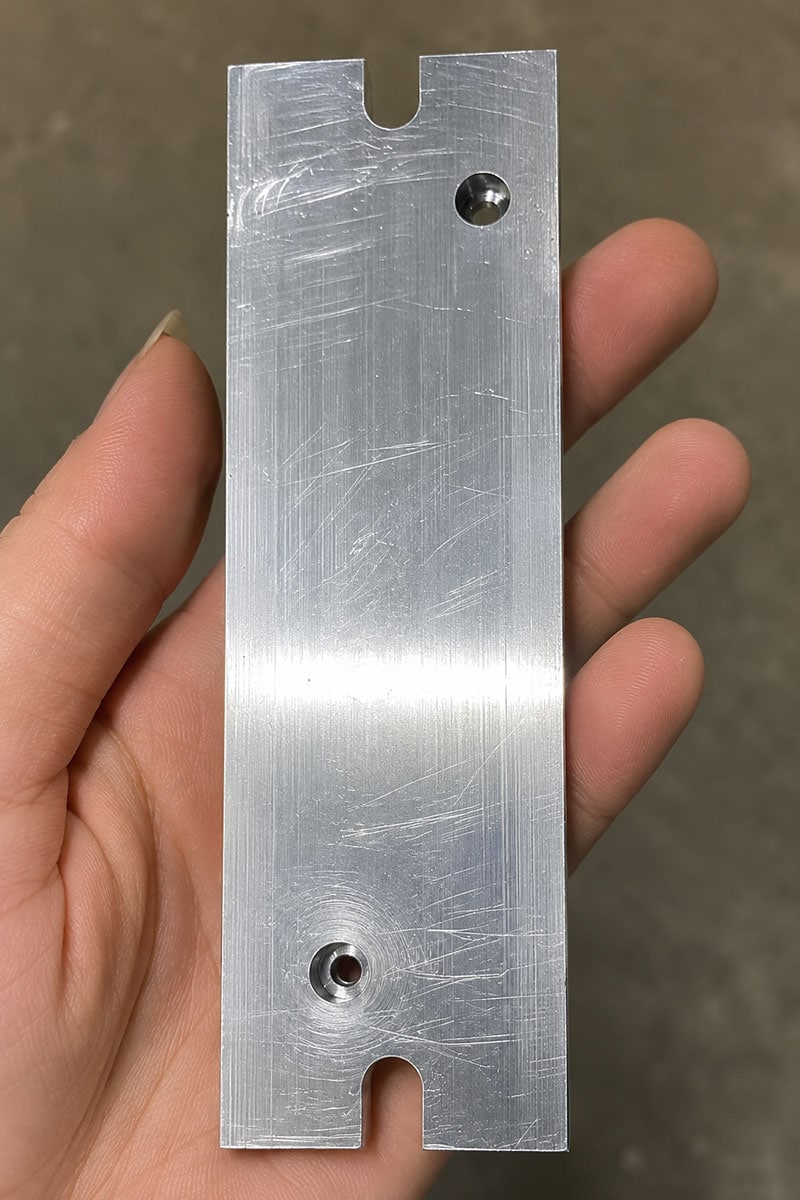
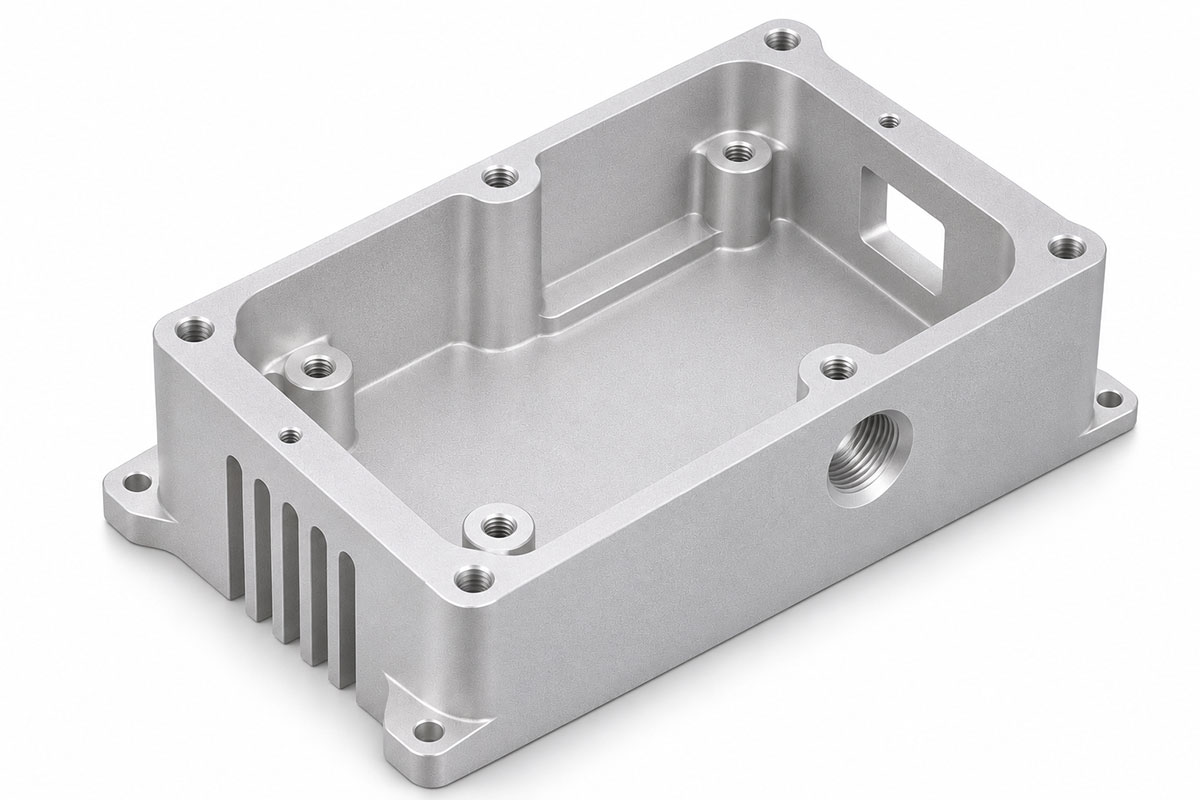
Glass bead blasting services for aluminum and stainless steel CNC parts. Define the matte finish, protected features and inspection requirements before production
Glass Bead Blasting at a Glance
Finish, materials and critical features before you request a quote.
Our bead blasting services give machined metal parts an even, non-directional satin or matte appearance. Select the desired bead blast finish, identify functional surfaces, and compare the final texture with an agreed reference.
Rounded glass beads for cosmetic finishing; fine or medium media selected for the required texture.
Aluminum, stainless steel, carbon steel and suitable alloy steel components.
Matte or satin metal surface with a uniform, non-directional glass bead finish.
Typical published bead blast reference: Ra 1.6–3.2 µm. Specific Ra acceptance is established for the part and process.
Threads, precision bores, sealing faces and contact surfaces may be masked.
From small brackets to larger housings, based on part dimensions, handling and blasting access.
Get a Bead Blasting Quote
Send the drawing, cosmetic requirements and quantities for engineering review.
Request glass bead blasting services with your CAD files and finishing instructions. To prepare a bead blasting service quote, send the material, quantity, dimensions and required appearance with the features to protect.
Share the 3D model, 2D drawing, alloy or grade, order quantity and overall dimensions.
Mark cosmetic surfaces, holes, threads and sealing areas; attach a texture or appearance reference where useful.
Specify surface roughness if required, inspection checkpoints, any subsequent finish and your target delivery date.
Supported RFQ file formats include STEP, IGES, STL, X_T and DWG. You can also request an NDA for confidential drawings.
Upload CAD & Get QuoteBead Blasting Capabilities & Specifications
Confirmed sitewide references versus part-specific limits that need review.
Metal bead blasting is available for precision components and larger visible metal surfaces. The following specifications cover finish options, compatible materials and inspection choices for CNC and sheet metal orders.
| Specification | Bead Blasting Capability | Engineering Considerations |
|---|---|---|
| Process | Glass bead blasting of machined and fabricated metal components | Uniform matte or satin appearance; surface geometry is considered before finishing |
| Blasting Medium | Spherical glass bead blasting media | Fine, medium or coarser grades selected to achieve the approved texture |
| Alternative Abrasives | Angular aluminum oxide or other media when specified | More aggressive cutting or profiling is a separate finish choice |
| Typical Materials | Aluminum 6061/7075; stainless steel 304/316; carbon and alloy steels | Substrate, initial surface and subsequent coating determine the selected process |
| Part Size | Small precision hardware through larger housings and panels | Provide overall dimensions and recessed-face access for equipment matching |
| Finish Options | Fine matte, satin and non-directional cosmetic textures | A visual sample or approved reference defines the required appearance |
| Surface Roughness | Ra 1.6–3.2 µm is the published bead blast reference | Any tighter or measured Ra target is agreed with inspection locations and method |
| Material Removal & Dimensions | Typically lower cutting action than angular blasting | Critical fits, edges and thin sections can need protection or additional checks |
| Masking | Threads, tapped holes, precision bores, sealing faces and datums | Protected regions should be marked in the CAD drawing |
| Process Controls | Media grade and condition, blast pressure, nozzle distance and exposure | Settings are selected for the alloy, geometry and desired finish rather than a single fixed recipe |
| Cleaning | Removal of residual media from accessible faces and cavities | Special attention to blind holes, passages and enclosed areas |
| Compatible Secondary Finishes | Anodizing, painting, powder coating or plating when specified | The blasting and downstream pretreatment sequence is selected together |
| Inspection | Visual finish comparison, masking checks, cleaning and optional Ra or dimension checks | Acceptance criteria follow the approved drawing and quotation |
| Standard Finishing Lead Time | Typically 3–7 business days for standard single-step finishes | Project schedule is confirmed for quantity, masking, inspection and additional treatments |
For bead blasting aluminum parts, a matte glass bead finish can reduce the visual prominence of machining marks. For stainless steel bead blasting, clean media and contamination control are important to the final appearance and service environment.
What Is Bead Blasting?
A non-directional matte finish for suitable precision metal components.
Bead blasting is an abrasive surface finishing process. For cosmetic glass bead blasting, compressed air accelerates rounded glass particles against the exposed workpiece. The resulting texture changes surface reflectivity and reduces the visibility of directional machining marks.
Glass Bead Blasting & Media Options
Why spherical glass beads and angular abrasives serve different purposes.
The glass bead blasting media grade must be selected for the substrate, desired texture and downstream treatment. Media size alone does not determine actual Ra.
Materials for Bead Blasting
Aluminum, stainless steel and qualified metal substrates.
Glass bead blasting aluminum creates a non-directional matte or satin surface suitable for CNC housings, mounting brackets and equipment panels.
Common alloys such as 6061 and 7075 may be suitable depending on temper, part geometry, initial machining marks and required surface appearance.
Precision bores, threads and mating surfaces should be evaluated for masking before blasting. If anodizing follows, the combined finish must be considered during process planning.
Stainless steel bead blasting produces a subdued metallic appearance on suitable brackets, instrument panels and fabricated components.
Bead blasted stainless steel can develop a uniform satin texture when the abrasive and process conditions are appropriate for the material.
Clean glass bead media and prevention of ferrous cross-contamination are particularly important for stainless steel components used in corrosion-sensitive environments.
Glass bead blasting may be used to create a matte surface texture on suitable carbon steel and alloy steel components.
The starting surface condition, part geometry and finishing requirements determine whether glass beads are appropriate or a more aggressive abrasive is needed.
Bead blasting does not provide corrosion protection by itself. Components requiring environmental protection may need a compatible coating or additional surface treatment.
Bead Blasting DFM & Drawing Requirements
Protect threaded holes, sealing faces, fits and cosmetic boundaries.
Identify the external faces requiring a bead blast finish on the engineering drawing. Distinguish treated surfaces from areas that must retain their as-machined condition. For appearance-critical parts, provide an approved reference sample.
Mark threaded holes, precision bores, bearing seats, sealing faces, O-ring grooves, locating datums and electrical contacts that require protection. Specify masking boundaries clearly to avoid treating functional mating surfaces.
Thin sections, exposed corners and unsupported features require evaluation before blasting. Abrasive impact can affect edge geometry or contribute to distortion under unsuitable process conditions.
Blind holes, deep pockets, intersecting bores and internal recesses can retain glass beads. Define the surfaces requiring cleaning and any residue inspection needed for the finished component.
A bead blasting finish specification should identify the abrasive media, required visual appearance and applicable acceptance criteria. If surface roughness is critical, specify the Ra range, measurement locations and inspection method separately.
State whether the component will be delivered as-blasted or receive anodizing, plating, painting or powder coating. Confirm that the blasting media and resulting surface condition are compatible with the subsequent treatment.
Blasting Equipment & Production Evidence
Actual cabinet, gun, glass media and part-in-process photographs.
An enclosed blasting cabinet contains the workpiece while compressed air carries glass beads through a nozzle. Media selection, nozzle angle, pressure and coverage help control the finish on exposed surfaces during metal bead blasting.
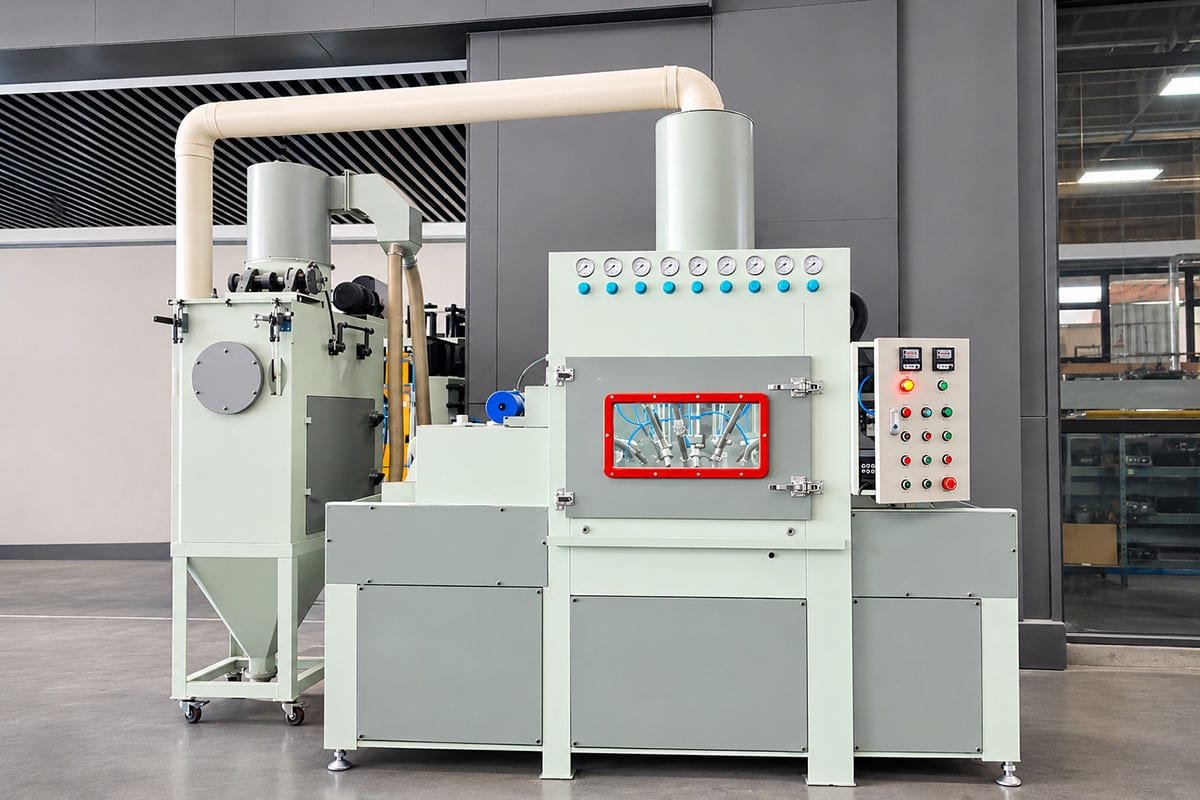
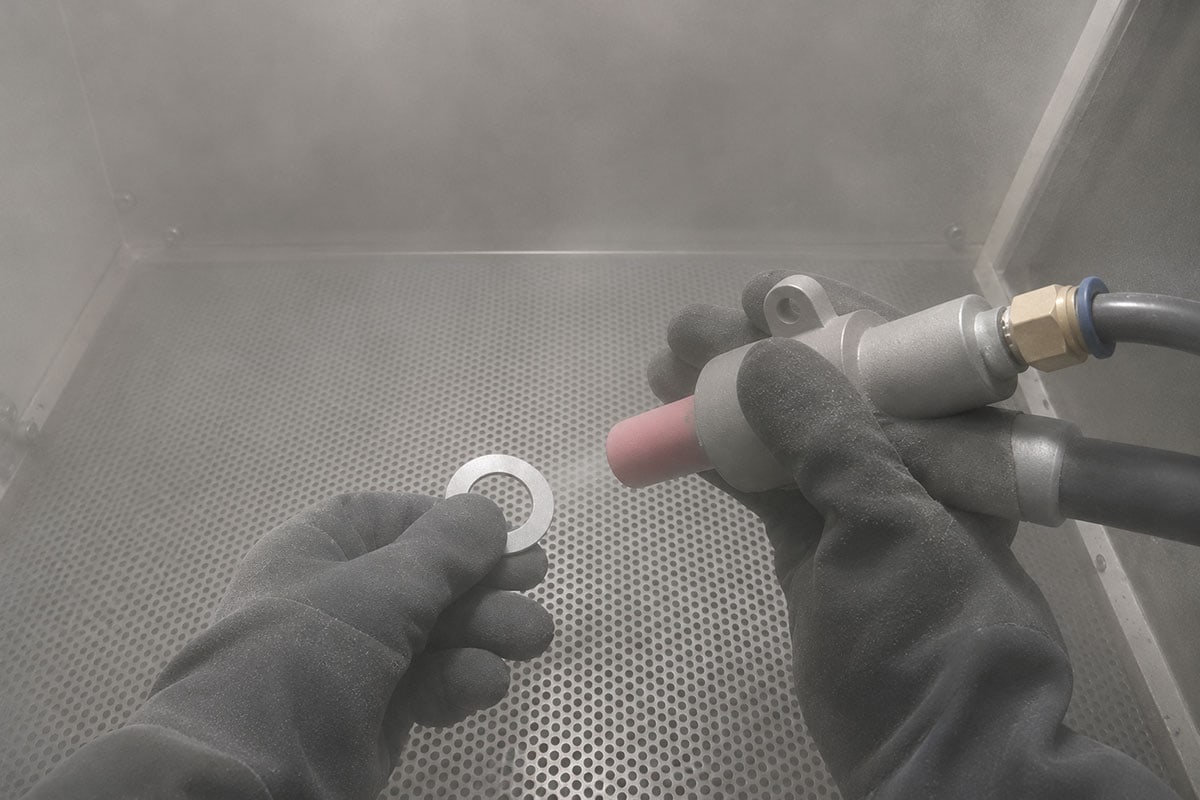
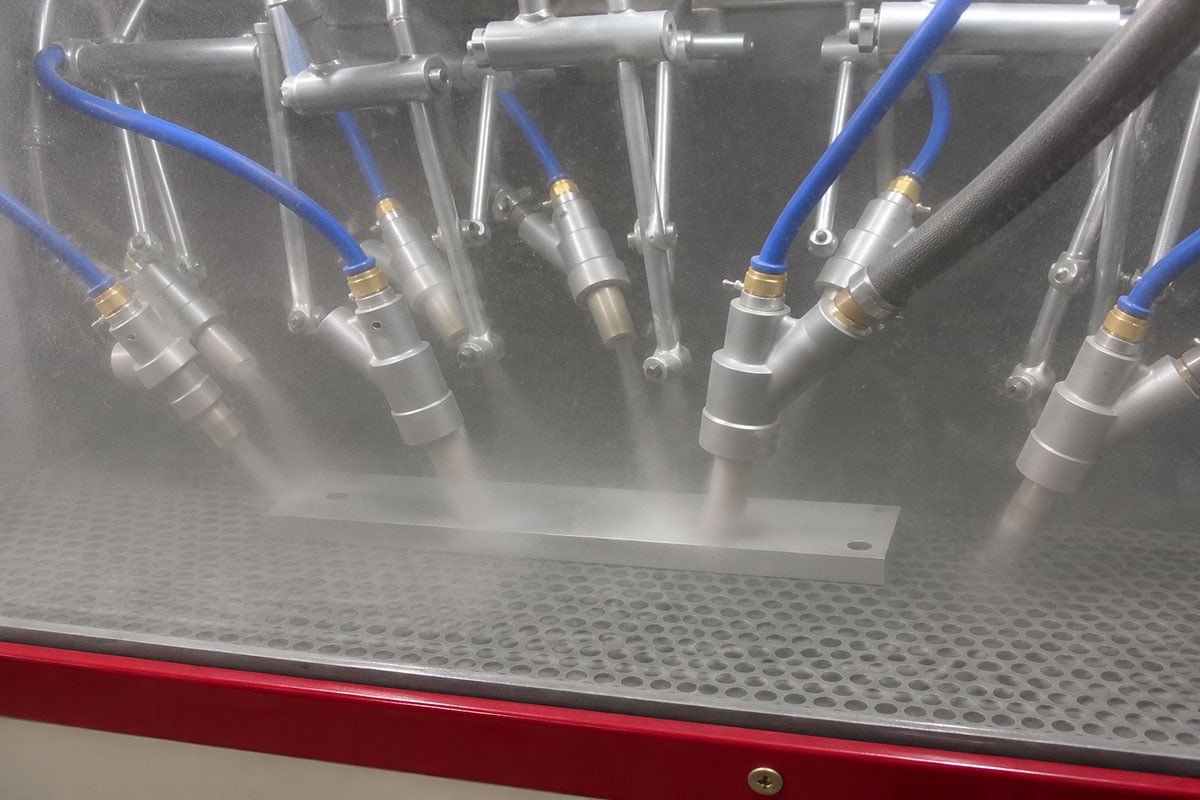
Blasting access and part handling are considered for brackets, housings, thin-walled components and recessed features. Masking and cleaning are included where the drawing requires them.
Our Glass Bead Blasting Process
Six traceable stages from incoming part through final inspection.
The glass bead blasting process follows a controlled sequence from the incoming machined component through masking, treatment, cleaning and visual inspection.
Identify the starting surface and the areas designated for bead blasting.
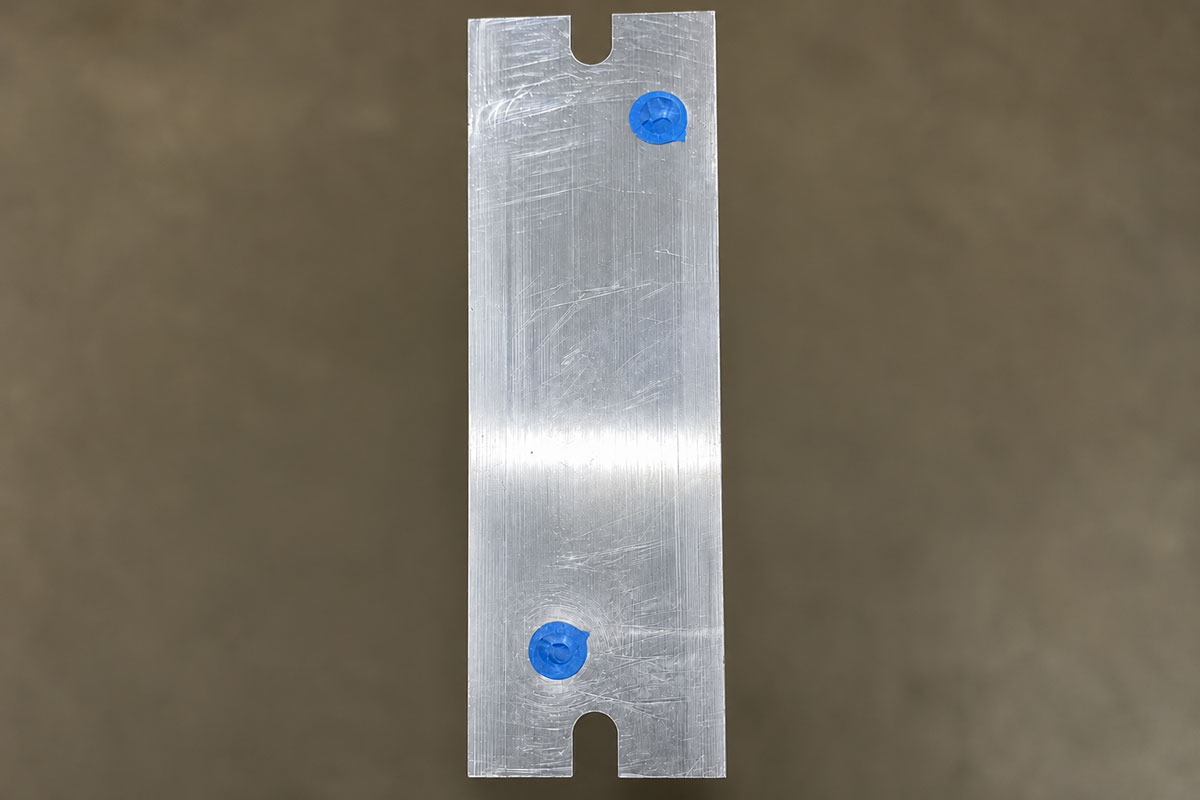
Protect the specified bores, threaded regions and functional mating surfaces.
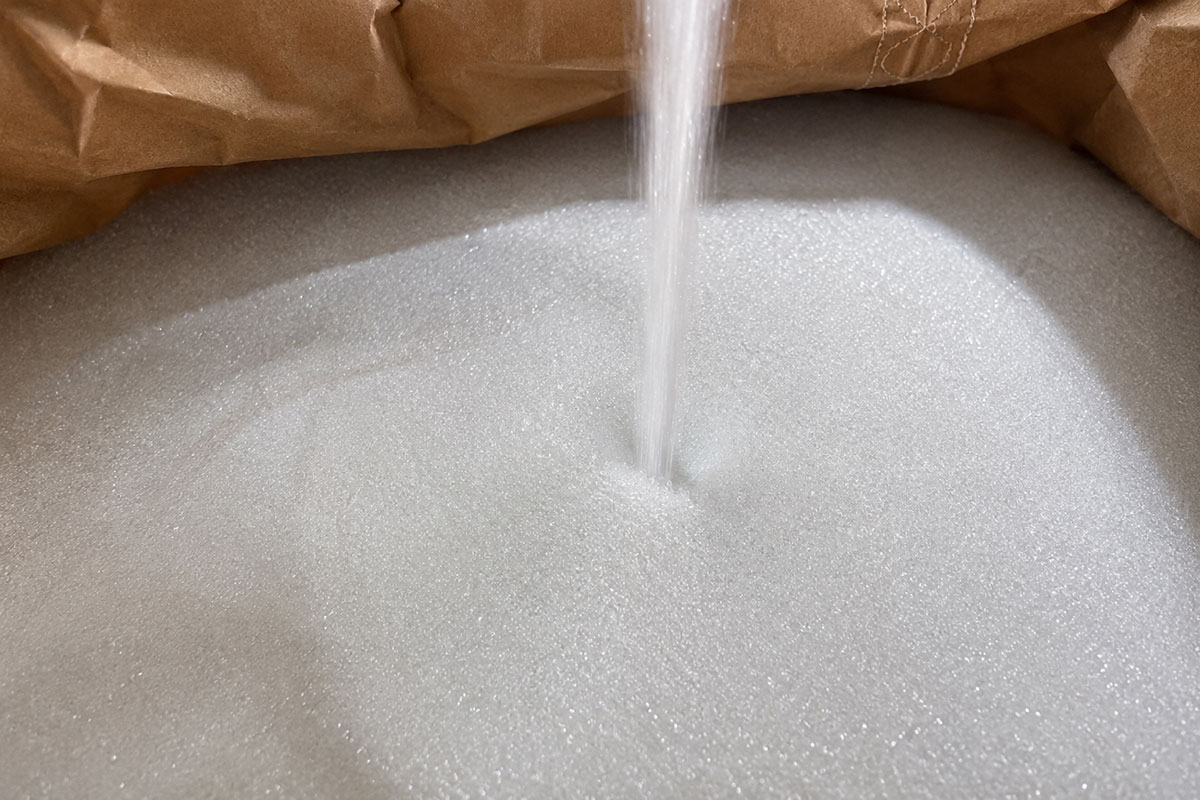
Check the selected glass bead blasting media and setup before treatment.
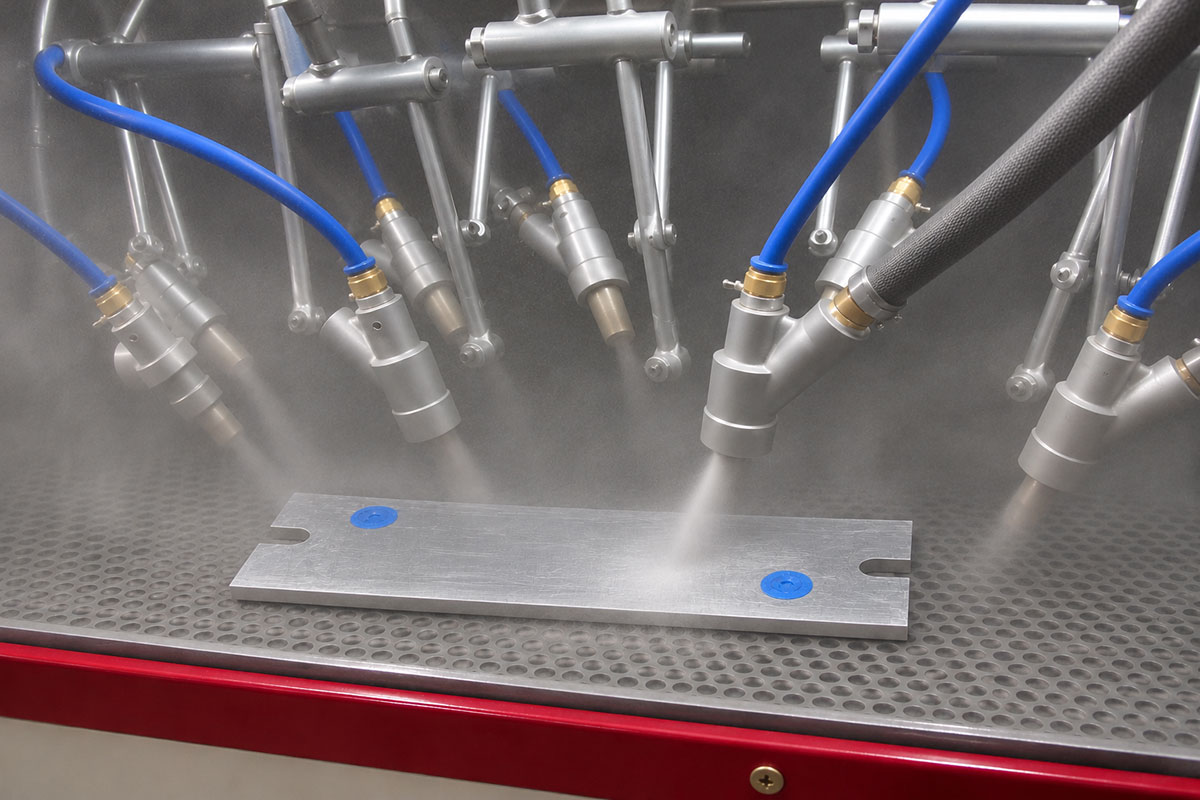
Apply the finishing process to exposed surfaces according to the approved requirements.
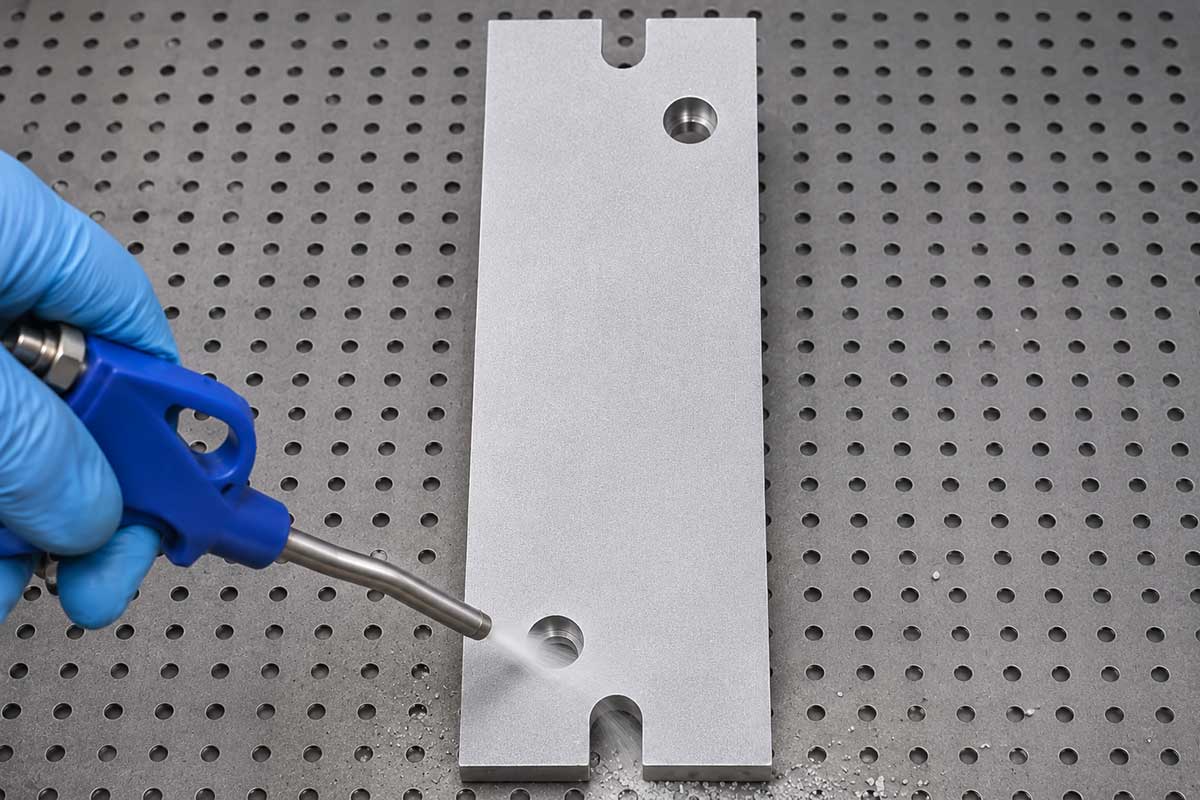
Remove loose abrasive from accessible faces, holes and recesses.
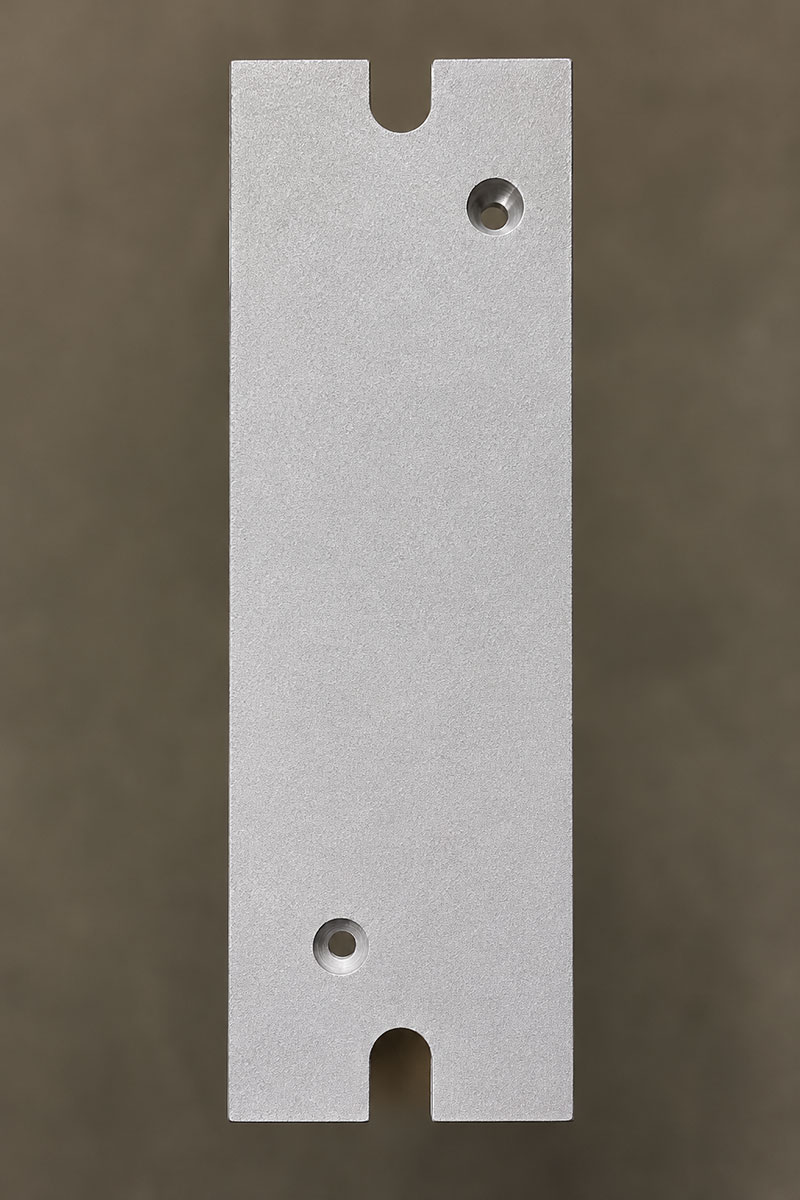
Review the matte texture, masking boundaries and applicable acceptance criteria.
Bead Blasting & Secondary Finishes
Review sequence and compatibility with anodizing, painting and plating.
A glass bead finish may be the final cosmetic treatment or part of a qualified multistep finishing sequence. Compatibility depends on the substrate and subsequent process.
Real Bead Blasted Parts
Aluminum housings, mounting brackets, and stainless steel panels with matte or satin finishes.
Bead blasted aluminum housings, mounting brackets, and bead blasted stainless steel components can achieve uniform matte or satin finishes. Glass bead blasting aluminum parts also allows designated bores, threads, and mating surfaces to remain protected during finishing.
Part: CNC Housing
Material: Aluminum
Process: CNC machining and glass bead blasting
Key Feature: Exposed housing faces
Finish: Matte
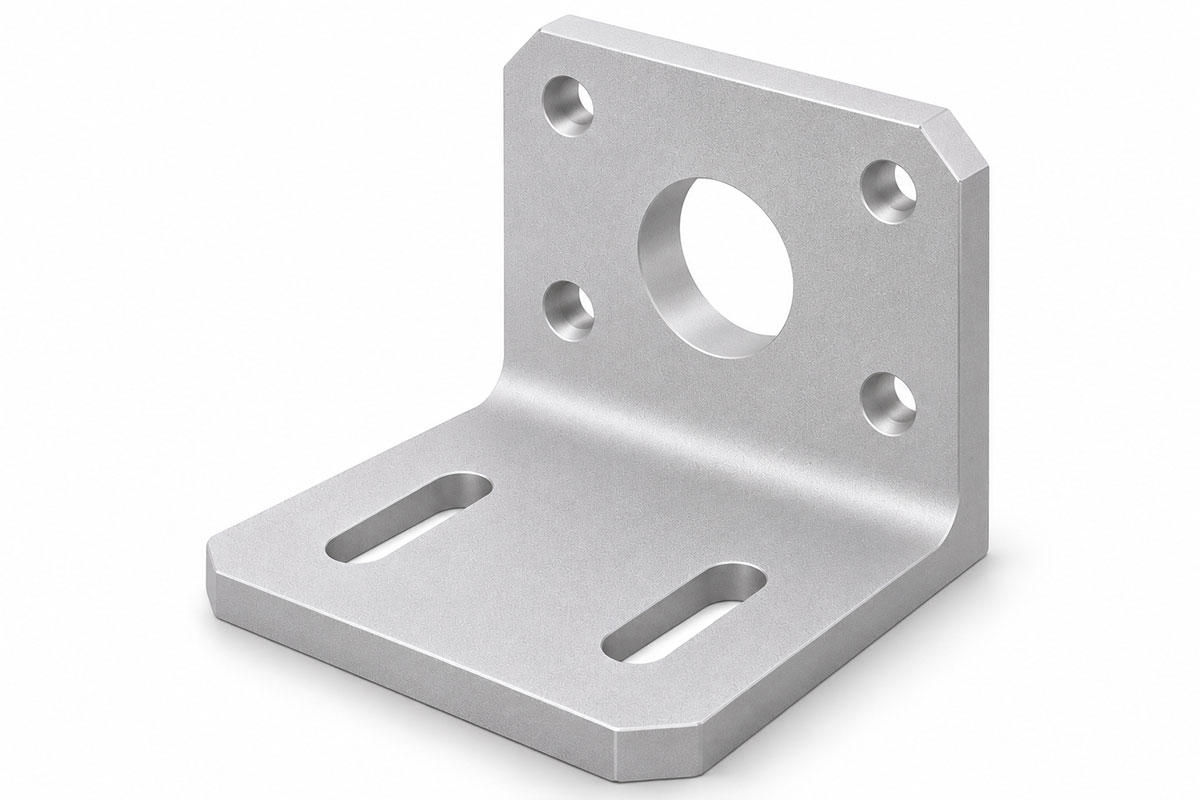
Part: Mounting Bracket
Material: Aluminum
Process: Machining and glass bead blasting
Key Feature: Mounting faces and holes
Finish: Matte
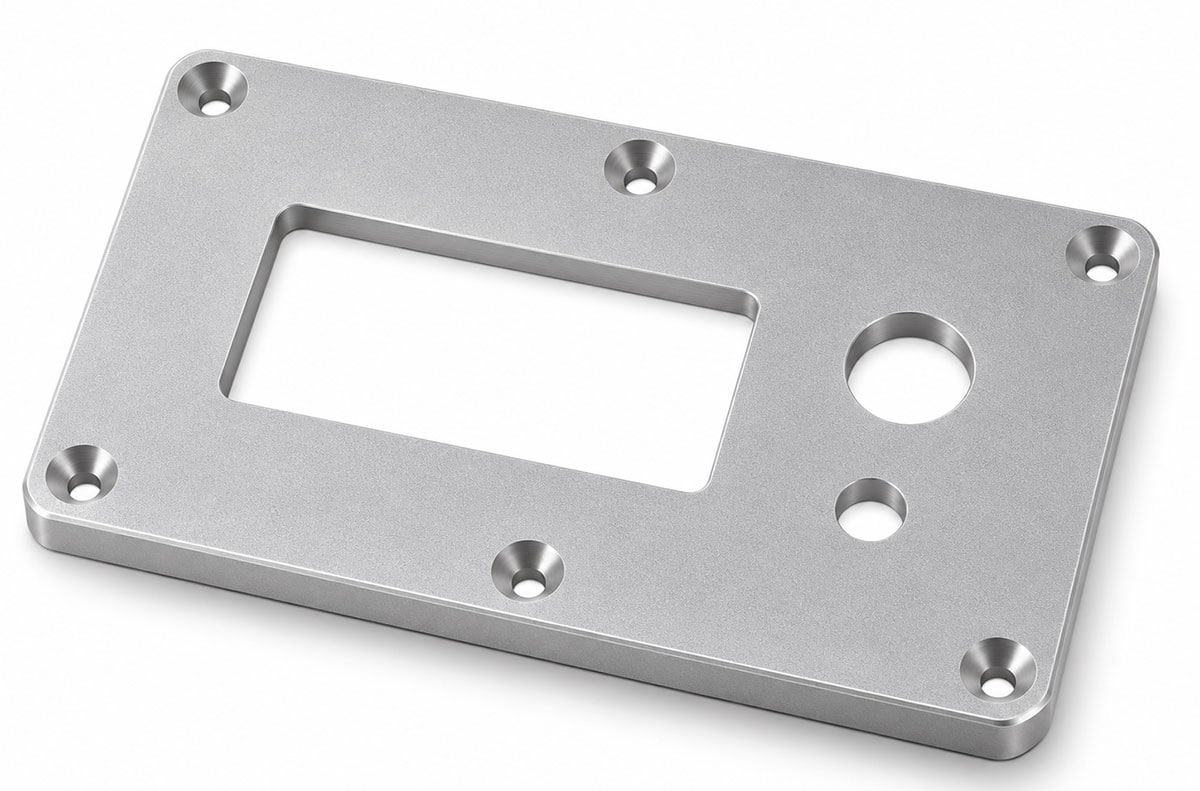
Part: Enclosure Panel
Material: Aluminum
Process: Machining and glass bead blasting
Key Feature: Panel face and openings
Finish: Satin
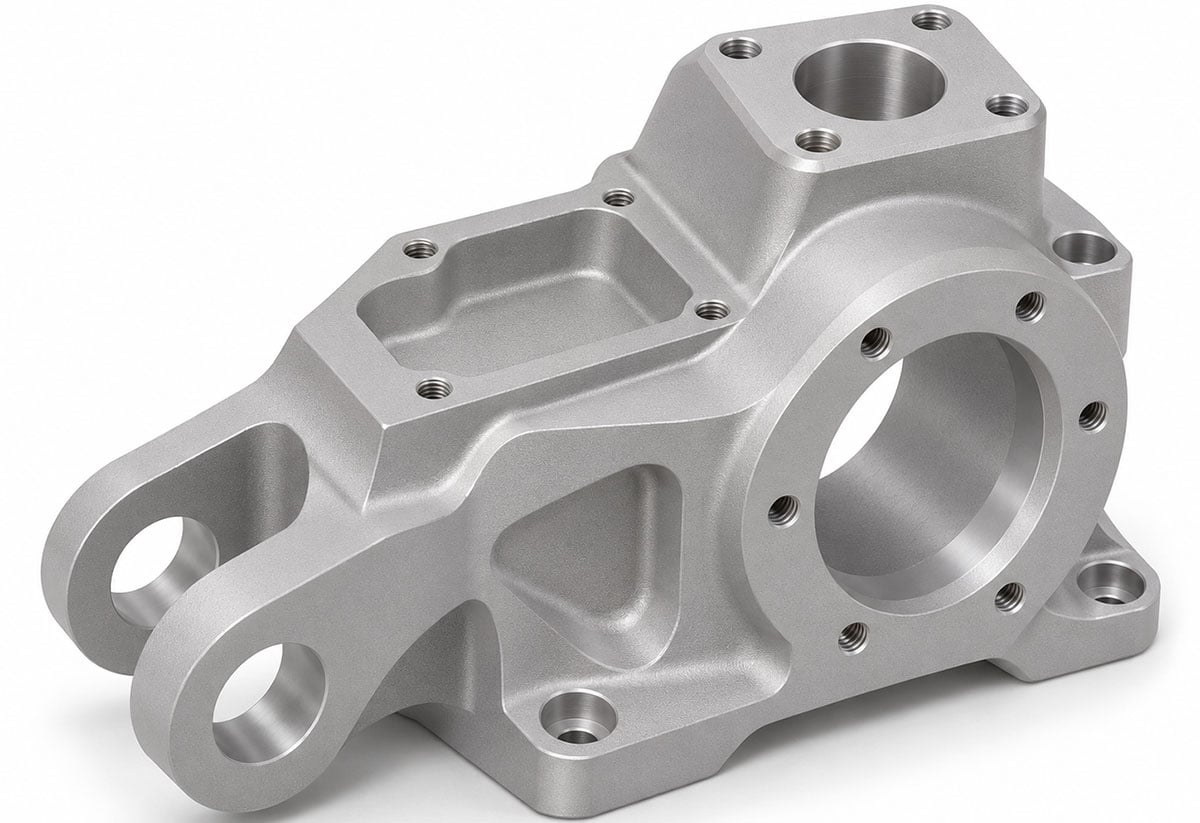
Part: Robotic Component
Material: Aluminum
Process: Machining and glass bead blasting
Key Feature: Contoured exposed surfaces
Finish: Matte
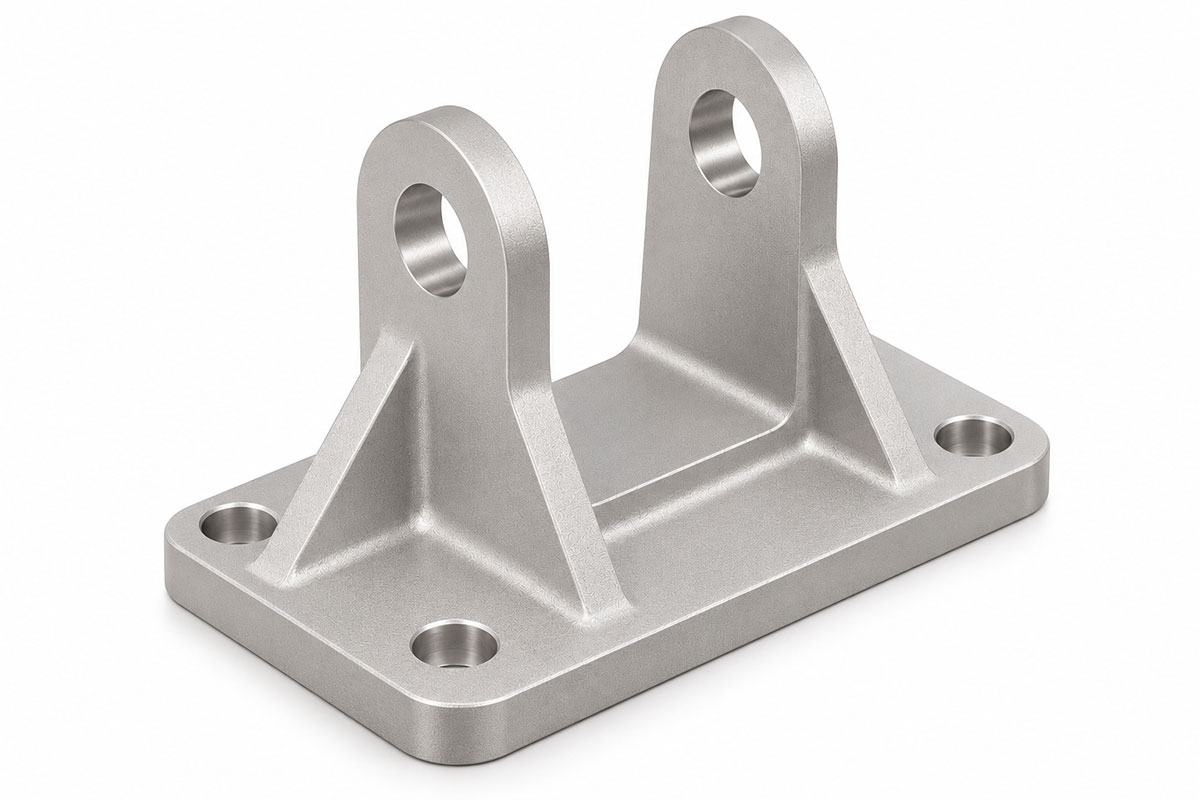
Part: Mounting Bracket
Material: Stainless Steel
Process: Metal fabrication and glass bead blasting
Key Feature: Mounting geometry and edges
Finish: Satin
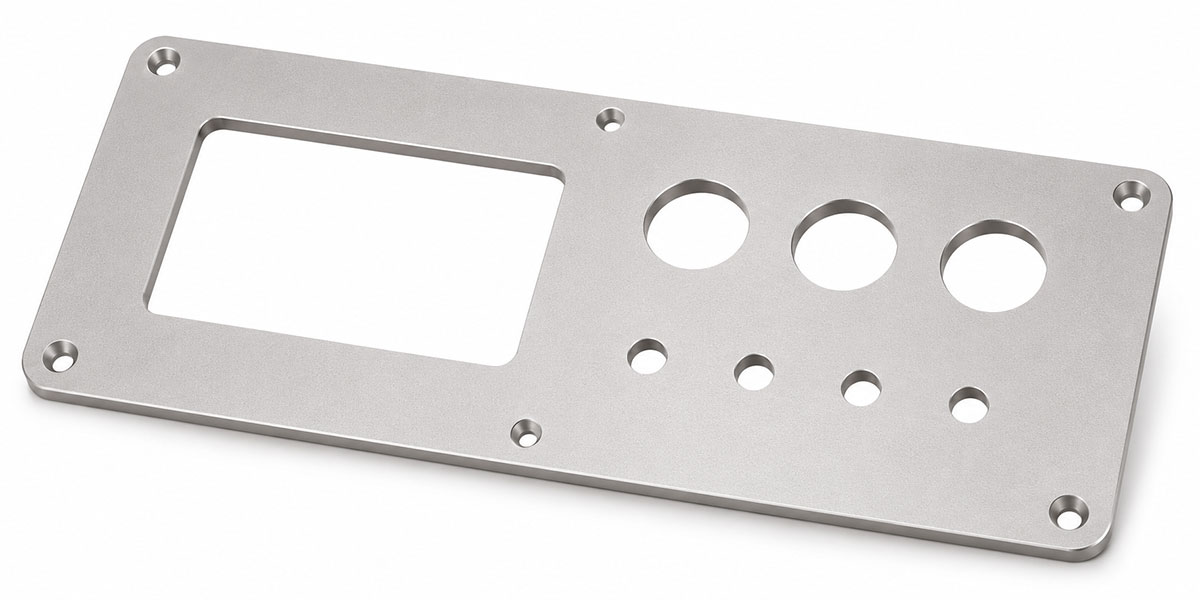
Part: Instrument Panel
Material: Stainless Steel
Process: Metal fabrication and glass bead blasting
Key Feature: Panel faces and cutouts
Finish: Matte
Surface Texture & Engineering Details
True before-and-after images, matte surface macros and masked features.
A bead blasting finish is evaluated by its non-directional texture, appearance consistency and the transition at masked features. These details show the visual change, surface texture and protected bore or thread boundary.
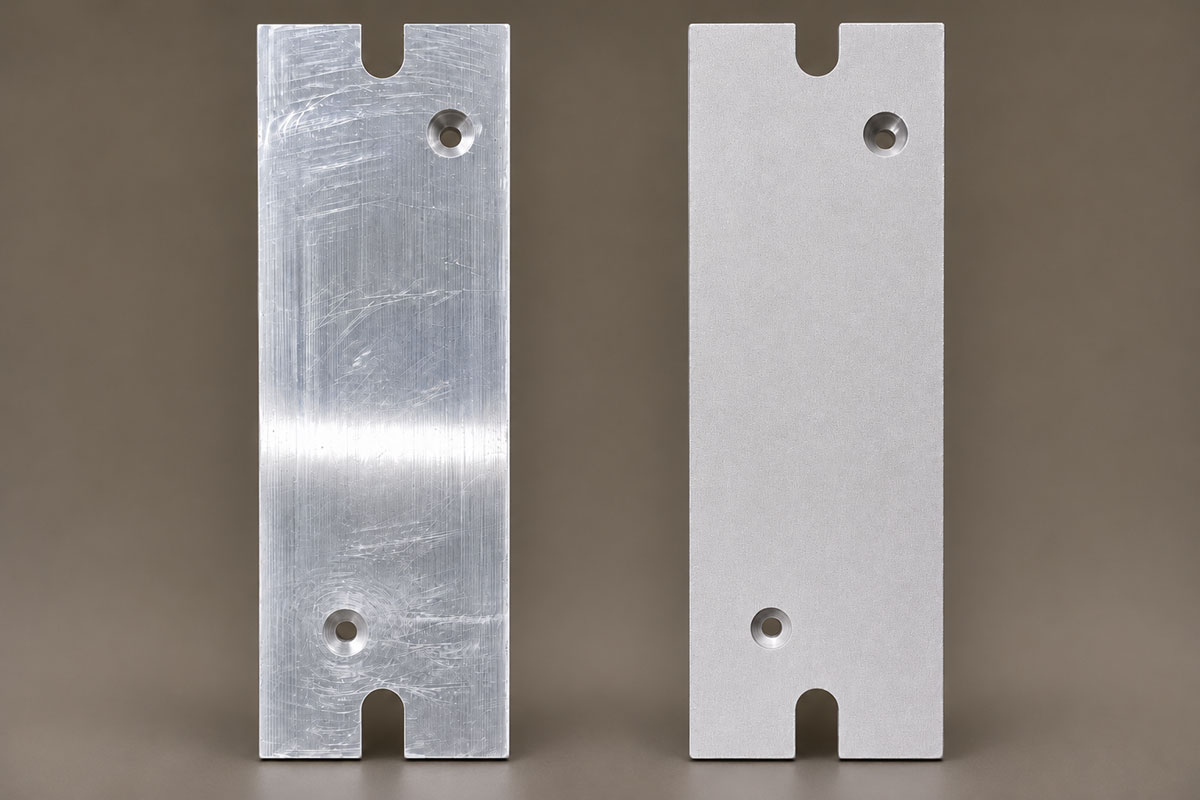
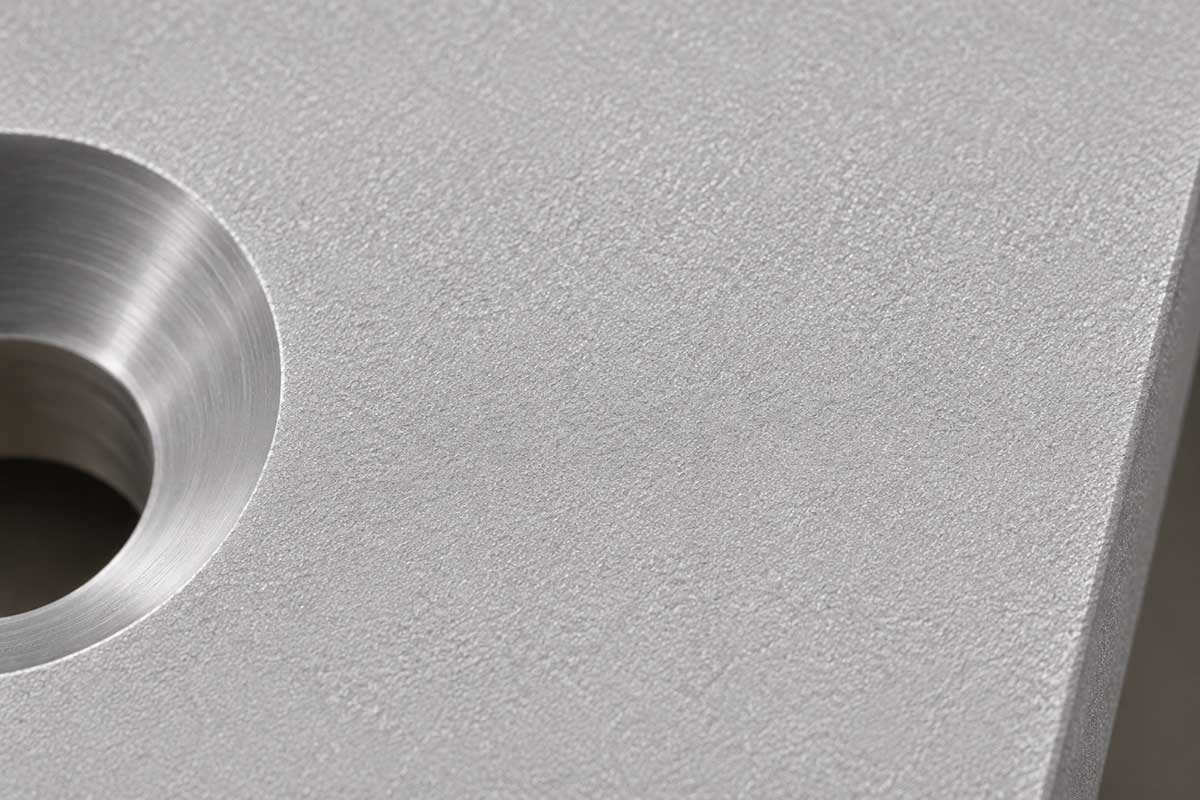
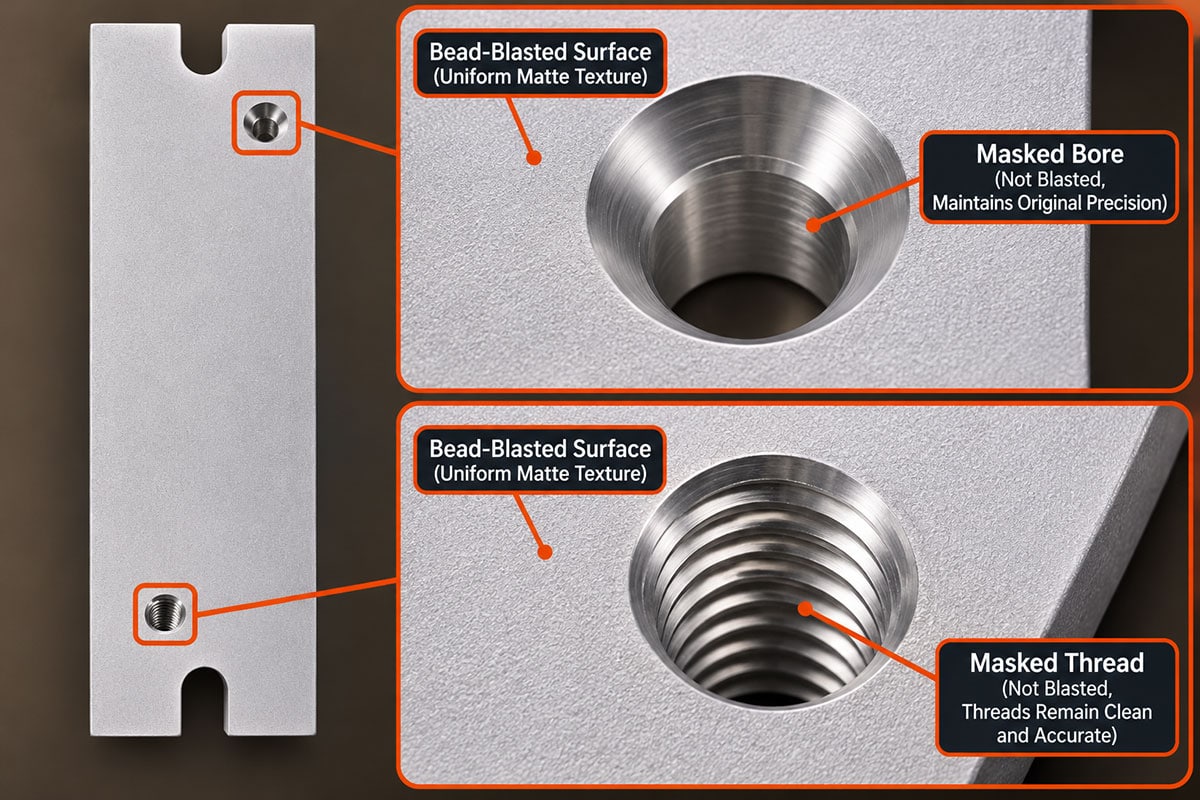
Where a specific Ra or appearance criterion applies, use a defined visual reference and the agreed inspection method for acceptance.
Typical Parts & Applications
Concrete machined and fabricated parts for OEM assemblies.
Aluminum CNC control housings and machine enclosures with exposed cosmetic surfaces requiring a uniform matte bead blast finish.
Machined aluminum brackets, robotic connectors and mounting components requiring consistent surface appearance while protecting locating and mating features.
Aluminum and stainless steel electronic enclosure panels with visible external faces, cutouts and mounting holes requiring a non-directional satin or matte texture.
Fabricated or CNC machined metal covers, equipment panels and instrument housings where bead blasting provides a consistent cosmetic surface before assembly or compatible secondary finishing.
Instrument panels, brackets and equipment components with specified cosmetic surfaces. Precision holes, sealing faces and other functional features can be identified for masking and inspection.
Representative aluminum and stainless steel samples for evaluating glass bead finish appearance, surface consistency and compatibility with subsequent finishing before production approval.
Quality Control & Finish Acceptance
Appearance samples, protected features, residual media and measured Ra when specified.
Acceptance of a bead blasting finish depends on the specified appearance, protected functional features and cleanliness. When surface roughness is controlled, measurements must use the agreed inspection method and locations.
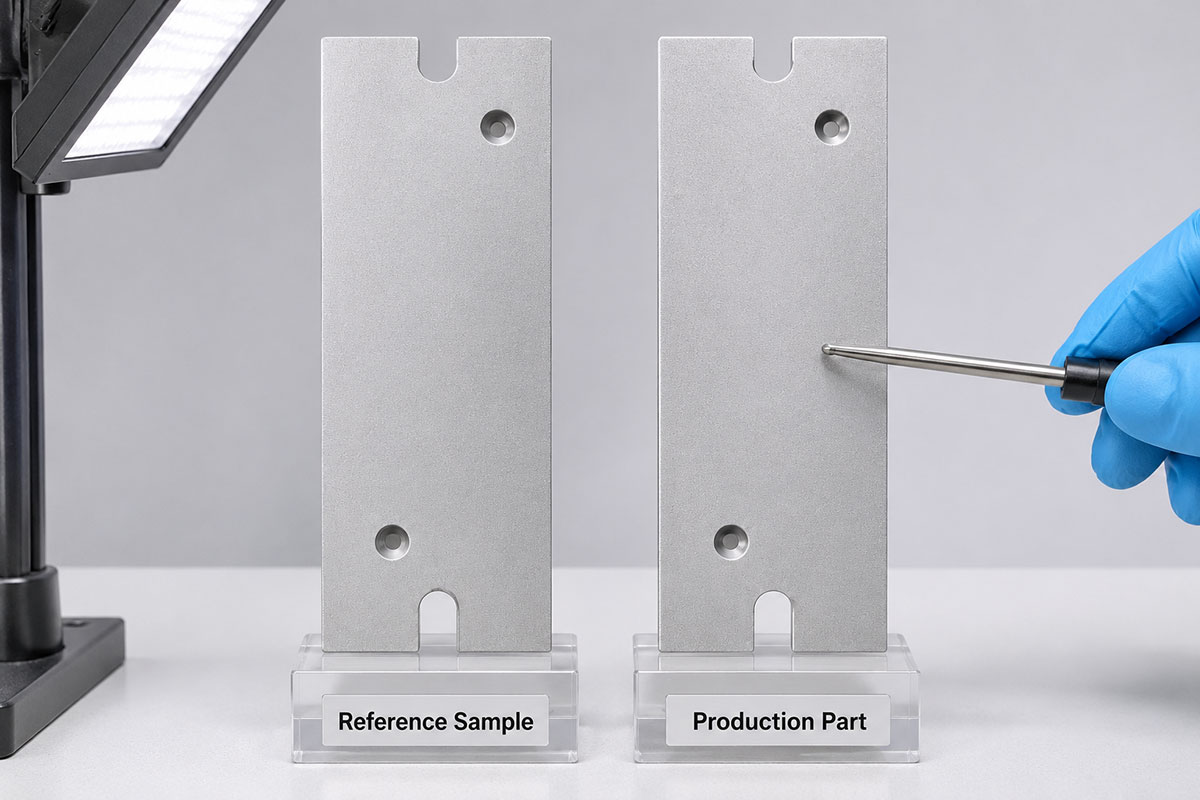
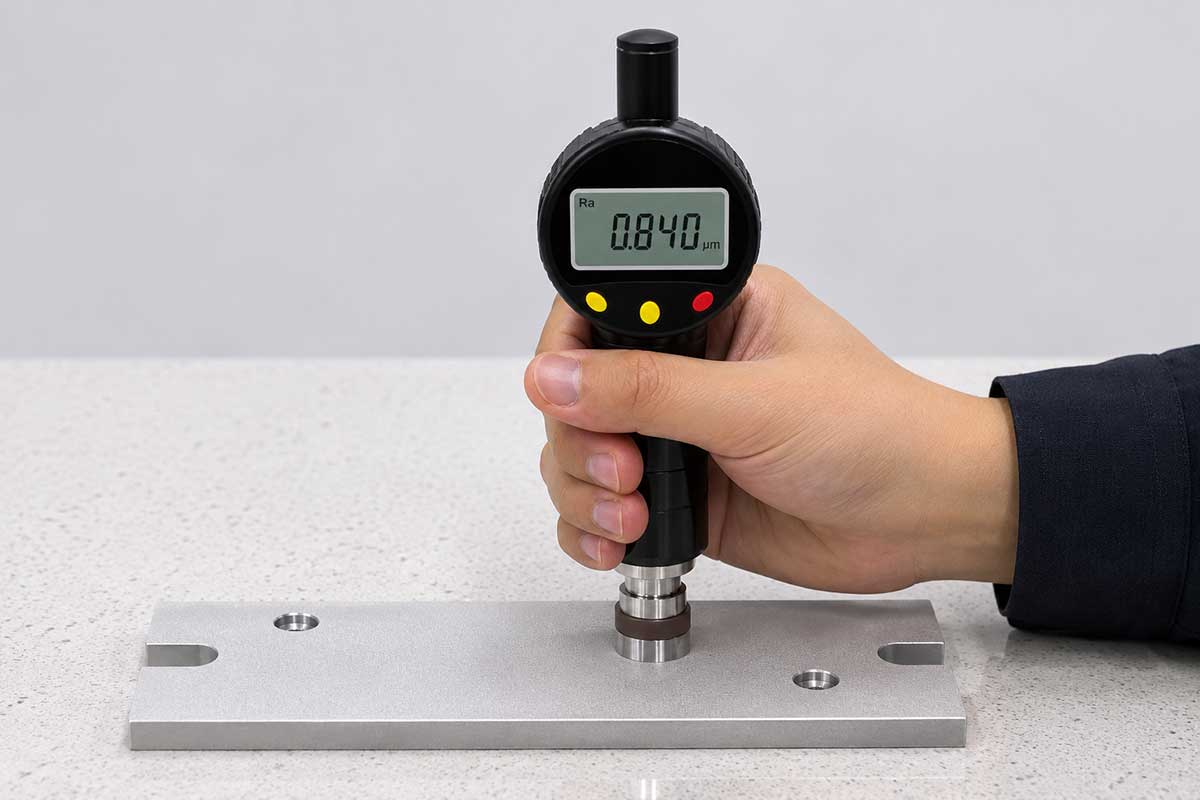
Bead Blasting Project Workflow
From finish requirements and masking to surface treatment and inspection.
For an aluminum CNC housing requiring a matte glass bead finish, the engineering workflow connects drawing requirements, protected functional features, surface treatment and final inspection. Each stage helps define the processing scope before production.
Review the CNC housing material, original machined surface and cosmetic requirements.
- Identify the surfaces requiring glass bead blasting.
- Mark threads, bores and sealing faces requiring protection.
- Establish the approved appearance reference and any specified Ra limits.
Plan the masking and glass bead blasting sequence for the exposed housing surfaces.
- Apply the specified protection to functional features.
- Select appropriate blasting media and process conditions.
- Treat the designated surfaces and remove residual glass beads.
Evaluate the surface appearance and functional features against the agreed engineering requirements.
- Compare the matte finish with the approved visual reference.
- Inspect masking boundaries, critical features and cleanliness.
- Perform specified roughness or dimensional measurements when required.
Bead Blasting vs Other Surface Finishes
Compare appearance, material removal and functional limitations.
Bead blasting vs sandblasting is not a comparison between two universally defined media. The term sandblasting alone does not identify the abrasive material.
For glass bead blasting vs sandblasting, compare the actual abrasive shape, surface result, material removal and intended application.
| Process | Typical Surface Effect | Selection Criteria | Important Limitation |
|---|---|---|---|
| Glass Bead Blasting | Fine, non-directional matte or satin texture | Cosmetic metal finishing | Not a protective coating or controlled peening process |
| Angular Abrasive Blasting | More aggressive cutting and surface profiling | Cleaning, stripping or defined coating preparation | Can remove more material or affect dimensions |
| Brushing | Directional linear grain | Specified decorative or visual grain | Direction and finish uniformity must be controlled |
| Mechanical Polishing | Smoother or more reflective surface | Lower roughness or defined reflective appearance | Additional finishing effort and geometry limitations |
| Controlled Shot Peening | Qualified mechanical impact treatment | Specified peening intensity and coverage | Requires separate qualification and inspection |
For detailed abrasive selection and engineering considerations, see the EPOC CRAFTER Bead Blasting Media Guide .
Why Choose EPOC CRAFTER?
A single engineering review for machined parts and finishing requirements.
EPOC CRAFTER combines CNC machining and surface finishing so that the blasted appearance, dimensions and mating features can be considered together. Our bead blasting services are quoted against your part drawing and required finish.
Coordinate as-machined surfaces, glass bead finishing and any subsequent anodizing or coating in one project.
Identify functional bores, threads, sealing faces, thin walls and accessible areas before treatment.
Align matte or satin surface expectations through a supplied sample, visual reference or drawing callout.
Include cosmetic comparison, masking checks, residual media cleaning and specified Ra or dimension checks.
Review single-piece prototypes and repeat batches with attention to finish consistency and handling.
Submit material, CAD, quantity, finishing zones and delivery requirements for a coordinated quote.
See our CNC Machining and Surface Finishing services.
How to Order Bead Blasting
From uploading CAD files to inspection and shipment.
Bead Blasting FAQs
30 practical questions on media, tolerances, appearance, inspection and quoting.
Answers to common manufacturing questions about bead blast finishes, materials, masking, surface consistency and ordering.
What is bead blasting?
Bead blasting directs abrasive media at a surface using compressed air. For a cosmetic glass bead finish, rounded glass beads create a fine matte or satin texture on suitable metals.
Is glass bead blasting different from angular abrasive blasting?
Yes. Rounded glass beads are usually selected for softer cosmetic textures, while angular abrasives such as aluminum oxide cut and profile more aggressively. Material and finish requirements determine the choice.
Is bead blasting the same as sandblasting?
Bead blasting is a type of abrasive blasting. Sandblasting is a broad term that does not identify the actual abrasive, so a drawing should name glass bead or another approved medium.
Is cosmetic bead blasting the same as controlled shot peening?
No. A cosmetic matte finish does not demonstrate compliance with shot-peening intensity and coverage requirements. Specify a separately qualified shot-peening process if fatigue-related performance is required.
Can 6061 or 7075 aluminum parts be glass bead blasted?
Yes, when compatible with the actual alloy, temper and geometry. Protect critical dimensions and qualify any subsequent anodizing appearance on representative parts.
Can 304 or 316 stainless steel receive a bead blast finish?
Yes. Use clean, suitable media and prevent ferrous cross-contamination; the final suitability depends on the intended corrosion environment and cleaning requirements.
Can carbon steel be left bare after bead blasting?
Bead blasting is not a corrosion-protection coating. Bare carbon steel can rust, so specify suitable downstream protection for the intended environment.
Is bead blasting suitable for tight-tolerance CNC components?
It can be suitable for cosmetic faces, but critical bores, threads, bearing seats and sealing areas need a defined protection or post-process inspection plan.
Does bead blasting remove metal or change dimensions?
Glass bead blasting normally removes relatively little metal compared with angular abrasives. It is not dimensionally risk-free: edges, thin walls and sensitive fits may still change under unsuitable processing conditions.
Which features should be masked before bead blasting?
Typically review threads, precision holes, sealing faces, O-ring grooves, bearing seats, datum surfaces and electrical contacts. Mark protected areas explicitly on the drawing.
Should tapped holes and sealing grooves be protected?
Yes, when functional geometry and cleanliness matter. Plugs, caps or other qualified masking methods should be evaluated for those features before blasting.
Can bead blasting distort thin-walled parts?
Yes. Impact stress may distort thin or poorly supported sections. Review material thickness, geometry, fixture support and whether a different finishing method is safer.
Will glass bead blasting remove deep scratches or heavy scale?
Do not rely on a cosmetic glass bead process to remove deep defects or heavy coatings. More aggressive preparation may be necessary, with dimensional and appearance consequences.
What surface roughness can bead blasting achieve?
The typical EPOC CRAFTER bead blast reference is Ra 1.6–3.2 µm. When your drawing requires a particular surface roughness, include the Ra limit and inspection location for the finishing quote.
Does glass bead mesh size guarantee a specific Ra?
No. Media grade describes the abrasive. Final Ra also depends on substrate condition, pressure, working distance, dwell time, coverage and media wear.
How should bead blasting be specified on an engineering drawing?
Identify the media, approved finish appearance, surfaces to blast, regions to mask, any roughness requirement, follow-on finish and inspection criteria. Supply a boundary sample for demanding cosmetic work.
Why can bead blasted parts vary between suppliers or production lots?
Media type and condition, blasting parameters, substrate preparation and inspection lighting can differ. Agree on a reference sample and repeatable process checks before approving cosmetic lots.
How are glass bead media and grade selected?
Select the media and particle-size grade according to the base material, desired texture, sensitive features and downstream treatments. Confirm the appearance on a representative sample rather than guessing from grade alone.
How is iron contamination avoided during stainless steel blasting?
Use clean, suitable nonferrous media and keep blasting equipment and consumables free from carbon-steel residues. Inspect and clean the substrate as specified for the intended application.
Can glass beads be reused indefinitely?
No. Repeated use can fracture or contaminate the beads and alter the finish. Media separation, condition checks and replacement rules are needed for repeatable cosmetic results.
Can glass bead residue remain in blind holes?
Yes. Blind holes, pockets and recesses can trap particles. Include accessible-cavity cleaning and agreed residue checks, especially for fluid, electronic or precision assemblies.
Will blasting reach deep cavities and internal passages evenly?
Not necessarily. Blasting is largely line-of-sight, and hidden surfaces may receive uneven exposure. Identify the surfaces that genuinely require blasting rather than assuming complete internal coverage.
Can bead blasting be followed by anodizing?
It may be used before anodizing in a qualified process, but media residue or bead embedding can interfere with some chemical finishing routes. Confirm compatibility and final appearance on the exact material and finish sequence.
Can a bead blast finish prepare parts for painting or powder coating?
Sometimes, but rounded beads do not automatically provide the required anchor profile. Coating preparation must satisfy the actual coating specification, including cleanliness and pretreatment.
Does a bead blast finish provide corrosion protection on its own?
No. Bead blasting changes the exposed surface texture; corrosion performance depends on the metal, contaminants, environment and any separate protective finish.
Can I send customer-supplied parts for bead blasting?
You can request a finishing-only review for existing parts. Include material grade, dimensions, current condition, finish areas and quantity so handling and preparation can be assessed.
How is the finished surface inspected?
Common checks include visual comparison against an approved sample, confirmation of blast boundaries, cleaning verification and measured Ra or protected-feature dimensions when specified on the order.
What information is needed for a bead blasting quotation?
Provide CAD or drawings, alloy and temper, quantity, maximum dimensions, surfaces to blast, masking, approved appearance, required Ra if any, downstream treatment and inspection requirements.
How long does bead blasting take?
Standard single-step surface finishing is typically quoted around 3–7 business days. Quantity, masking, cleaning, inspection and additional treatments can change the confirmed lead time.
Can CNC machining and bead blasting be quoted together?
Yes. Send the CAD drawing with machining and glass bead blasting requirements in one RFQ. EPOC CRAFTER can coordinate the finish, masking, inspection and delivery scope alongside CNC manufacturing.
Related EPOC CRAFTER Processes & Engineering Guides
Use the parent capabilities pages and the detailed media-selection guide.
Bead blasting fits into a broader manufacturing workflow, from precision machining to cosmetic surface finishing. Explore the processes and technical guidance most relevant to your part.
Choose between glass bead blasting, anodizing, plating, polishing and other finishing processes. Explore Surface Finishing
Plan machined aluminum and stainless steel components for final cosmetic and functional requirements. Explore CNC Machining
Learn how glass bead, aluminum oxide and steel shot affect texture, material removal and application. Read the Engineering Guide
Submit CAD files and requirements for parts that need machining, glass bead blasting or secondary finishing. Upload CAD & Get Quote
Ready to Quote Your CNC Prototype?
Upload your STEP file and get a DFM review + quote within 12 hours.
No tooling cost. Minimum 1 part.