
Process Explainers
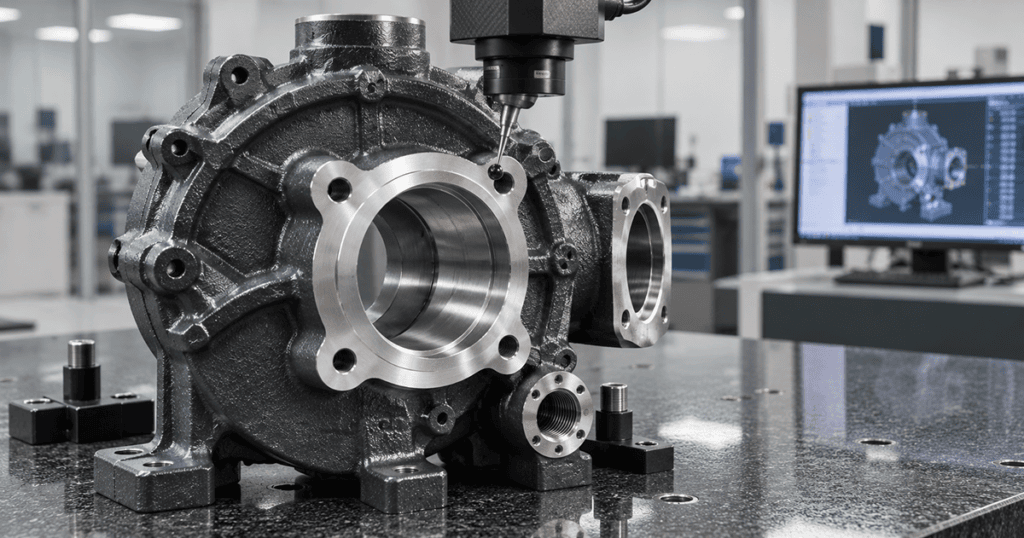
What Is Metal Casting? Processes, Defects, Machining Allowance, and CNC Finishing
Metal casting creates near net shape geometry, but critical bores, sealing faces, datums, threads, and…
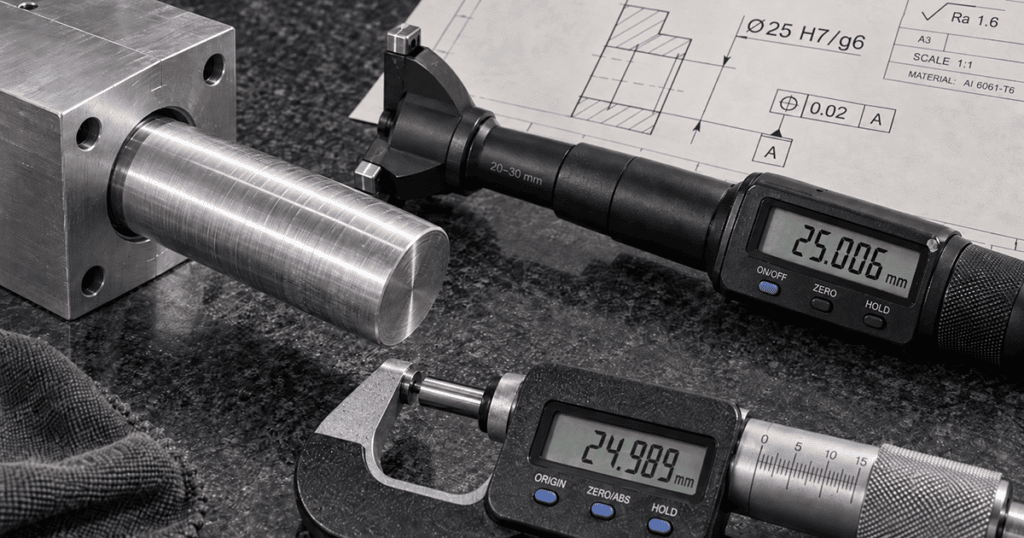
Types of Fits in Engineering: Clearance, Transition and Interference Explained with ISO 286
ISO 286 sorts every shaft-and-hole combination into clearance, transition, and interference. The article walks the…

316 vs 316L Stainless Steel: What Actually Changes When You Drop the Carbon
The only mandated difference between 316 and 316L stainless steel is carbon. Low carbon protects…

CNC Machining Materials: A Cost-Effective Metal Selection Guide
The cheapest metal to CNC machine is aluminum 6061-T6 for general parts, and free-cutting brass…

Machining Cast Iron: Grades, Chip Behavior, and Casting Blank Checks for CNC Buyers
Cast iron does not machine like steel. This guide covers grade designation for ASTM A48…

Micro Milling in Practice: Tool Diameter, ISO 21920 Callouts, and the Decision to Switch
Micro milling is CNC milling done with cutters at or below 1 mm diameter, cutting…

Bead Blasting Aluminum: How to Choose Glass Bead, Steel Shot, or Aluminum Oxide
Glass bead is the default for a cosmetic aluminum finish; aluminum oxide strips and profiles;…

CNC Machining Tolerances and Cost: What Each Precision Tier Actually Requires
A CNC tolerance’s cost is set by the process, machine, and inspection the number forces…

Sheet Metal Tolerances: Hole Spacing, Edge Distance, and Feature Design Rules
ISO 2768-1 tolerance classes, process-specific tolerance tables, hole spacing and edge distance rules, material thickness…

Sheet Metal Bend Radius and K-Factor: Charts, Formulas, and Flat Pattern Calculation
Bend radius charts by material and thickness per ASTM B209, K-factor reference tables for air…