
Process Explainers

Fiberglass in Manufacturing: GFRP Types, Properties, Machining, Dust, Holes and Inserts
Fiberglass and GFRP properties depend on reinforcement, resin, direction, and test condition. This engineering guide…

Yield Strength and 0.2% Proof Stress: How to Read Test Data and Material Certificates
Learn to distinguish ASTM 0.2% offset yield strength from EUL and ISO proof strength, then…
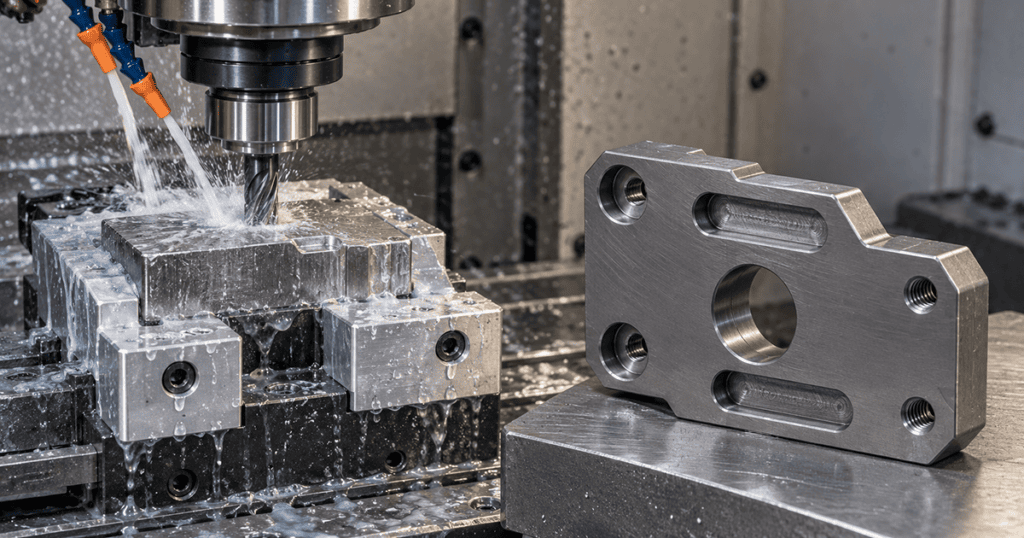
Tungsten Machining: W-Ni-Fe Heavy Alloy Properties, Tool Wear, Heat and Practical Limits
W-Ni-Fe tungsten heavy alloy can be CNC machined, but ASTM B777 defines the material, not…
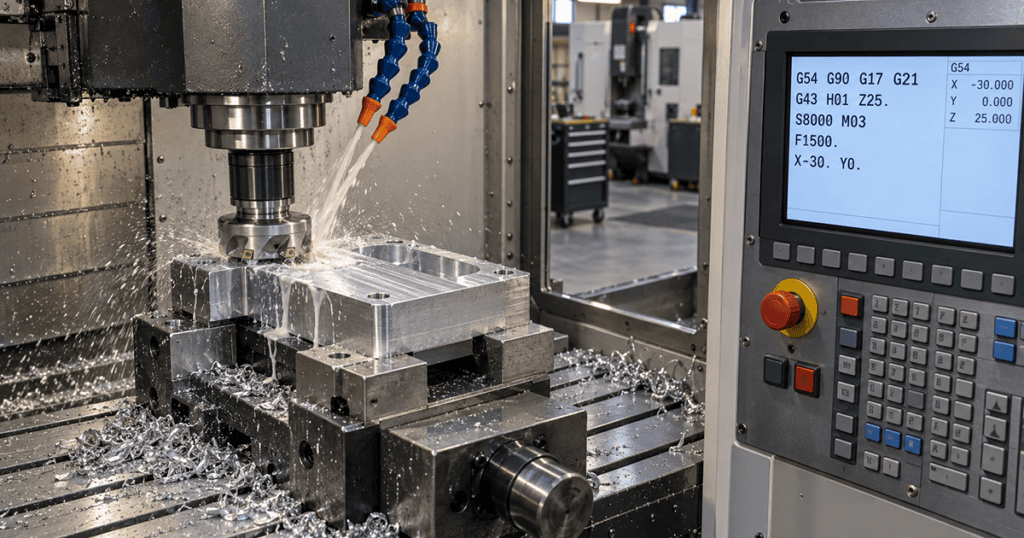
G-Code and M-Code for CNC Machining: Work Offsets, Tool Compensation, Post-Processors, and Program Verification
G-code and M-code sit on top of a much larger chain that decides whether a…
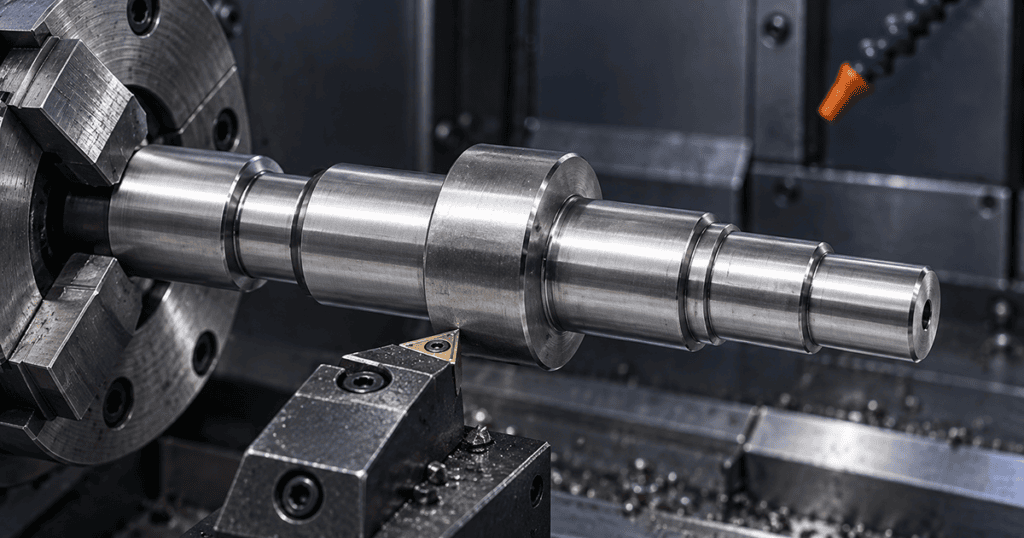
Step Turning on CNC Lathes How Stepped Shafts Shoulders and Bearing Seats Are Machined
Step turning creates functional shaft diameters, shoulders and bearing seats. Learn how fit, runout, relief…
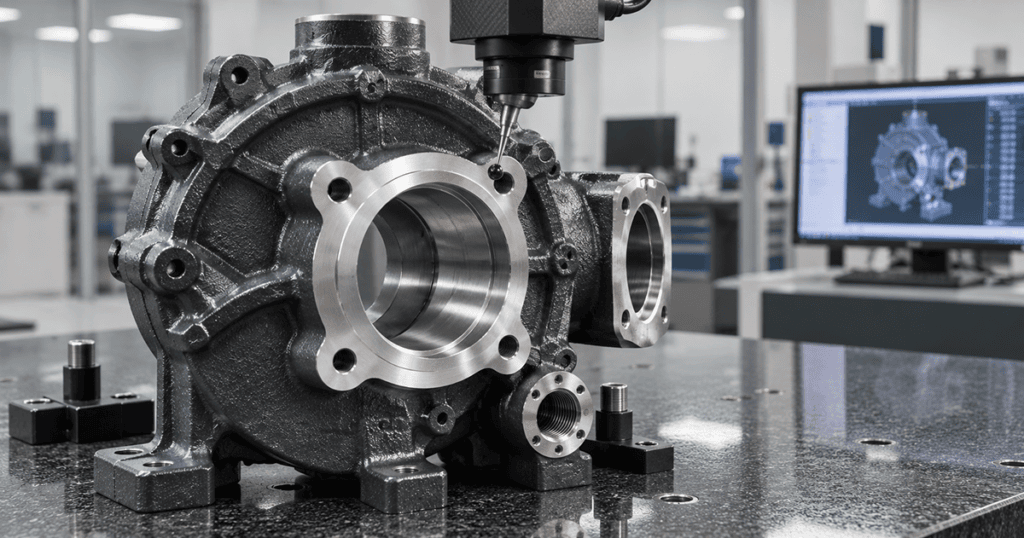
What Is Metal Casting? Processes, Defects, Machining Allowance, and CNC Finishing
Metal casting creates near net shape geometry, but critical bores, sealing faces, datums, threads, and…
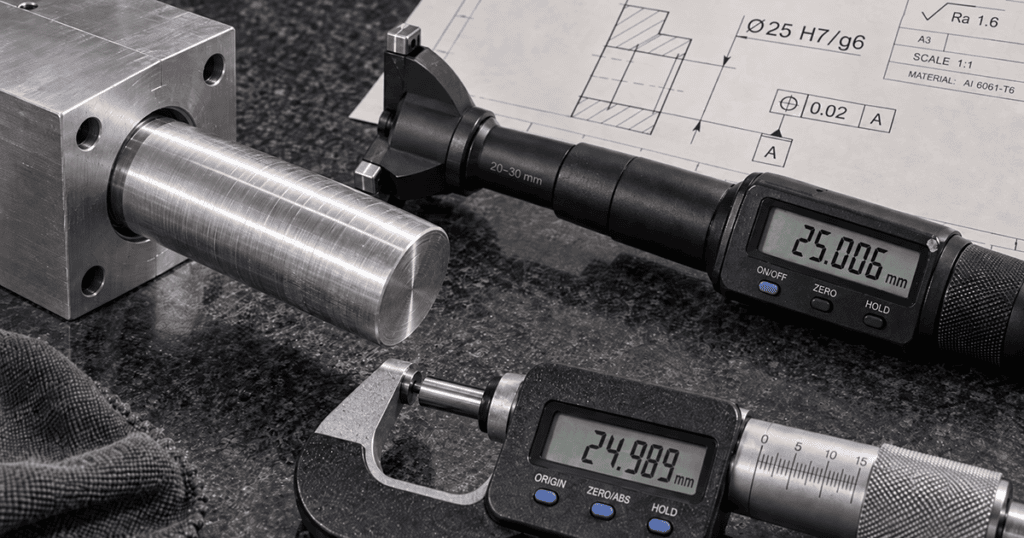
Types of Fits in Engineering: Clearance, Transition and Interference Explained with ISO 286
ISO 286 sorts every shaft-and-hole combination into clearance, transition, and interference. The article walks the…

316 vs 316L Stainless Steel: What Actually Changes When You Drop the Carbon
The only mandated difference between 316 and 316L stainless steel is carbon. Low carbon protects…

CNC Machining Materials: A Cost-Effective Metal Selection Guide
The cheapest metal to CNC machine is aluminum 6061-T6 for general parts, and free-cutting brass…

Machining Cast Iron: Grades, Chip Behavior, and Casting Blank Checks for CNC Buyers
Cast iron does not machine like steel. This guide covers grade designation for ASTM A48…