
Engineering Articles
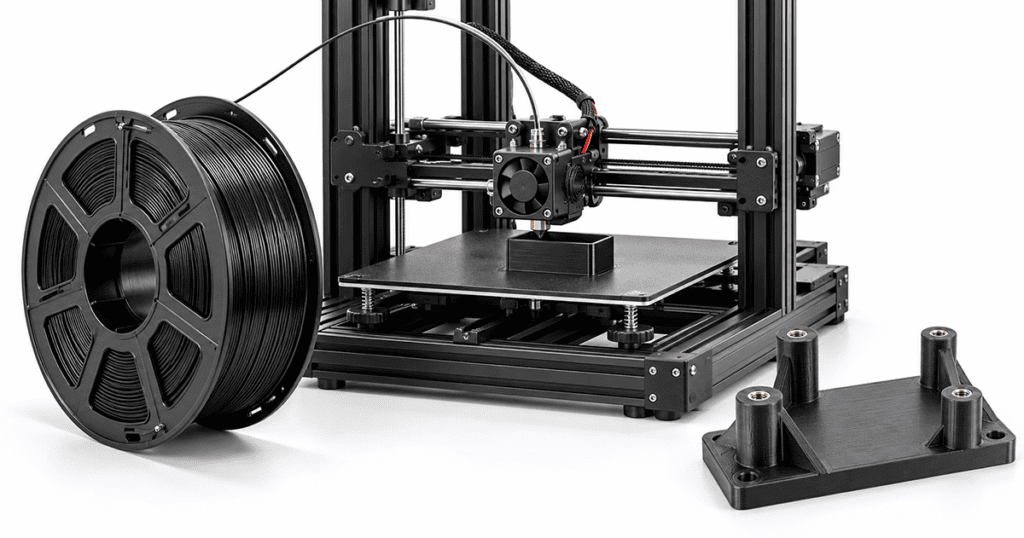
PETG Filament for 3D Printing: Properties, Temperatures, Drying and Uses
PETG filament is a glycol-modified thermoplastic polyester used in FDM 3D printing for functional prototypes,…
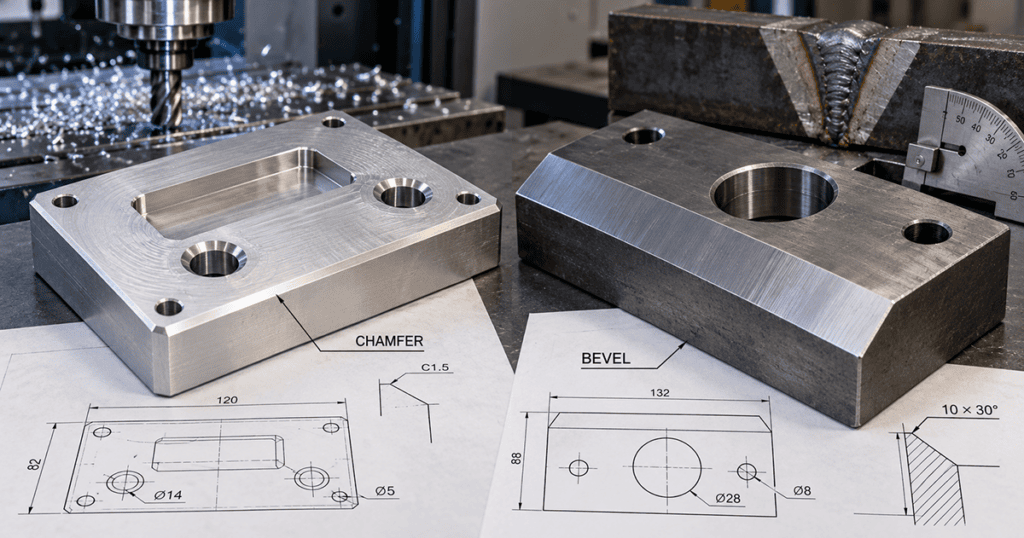
Bevel vs Chamfer: Drawing Callouts, Machining Methods, Weld Prep and Inspection
Bevel and chamfer labels do not define an edge by themselves. This guide shows how…

What Is Zinc? Properties, Alloys, Die Casting, Galvanizing and Machining
Zinc is a metallic element, Zn, with atomic number 30, but in manufacturing the word…

Types of Metals for Manufacturing: Properties, Machinability, Cost and Selection
Compare ferrous and non ferrous metals, key properties, grades, machinability, cost and sourcing. Learn how…

Shear Modulus for Polymers and 3D-Printed Parts: Formula, Torsion Testing, Dynamic G, and Anisotropy
Shear modulus is not one universal number for polymers and printed parts. This guide separates…

Ultimate Tensile Strength (UTS): What It Measures and How to Read It on an MTR
Ultimate tensile strength is the maximum engineering tensile stress reached in a tensile test. This…

Bulk Modulus in Engineering Materials: Compressibility, Elastic Constants, Measurement Limits and Design Use
Bulk modulus describes volumetric stiffness under hydrostatic pressure. Learn how K differs from compression modulus,…

Tensile Stress in 3D-Printed Parts: Formula, Stress-Strain Data, Anisotropy, Test Methods and Design Limits
Tensile stress is simple to calculate but easy to misuse in 3D-printed parts. This guide…

Modulus of Elasticity vs Strength: What Stiffness Means for CNC Part Design
Young’s modulus describes elastic material response; actual CNC part stiffness also depends on geometry, loading…

PEEK Machining and Molding: Grades, Properties, Annealing, Tolerances and Inserts
Choose the right PEEK grade, stock form and process route before setting tolerances. This guide…