
Engineering Articles
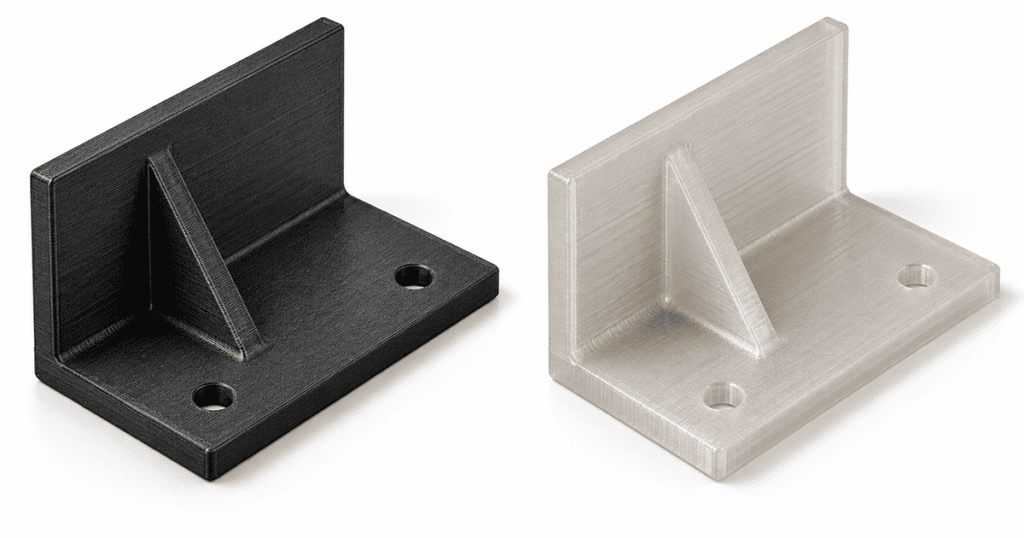
ABS vs PETG Filament: Strength, Heat, Warping and Part Selection
ABS and PETG differ in warping behavior, processing conditions and grade-specific heat performance. Compare their…
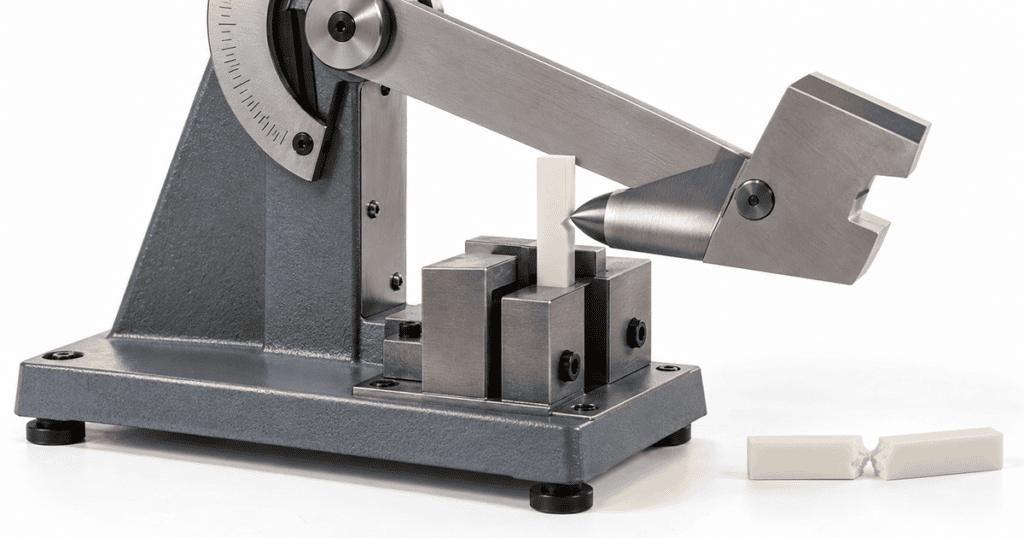
Izod Impact Strength: Test Methods, Calculation, ASTM D256 vs ISO 180, and 3D Printing
Izod impact strength helps compare plastic impact responses only when test methods, notches, geometry and…
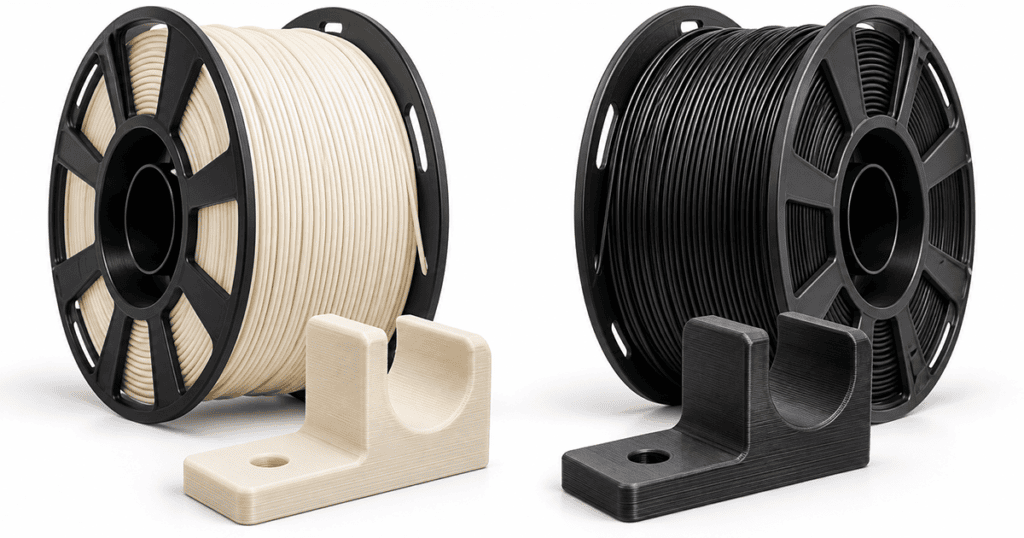
PLA vs PLA+: Differences, Strength, Heat Resistance, and Print Settings
PLA+ does not guarantee higher strength or heat resistance. Compare exact grades, FDM print conditions…
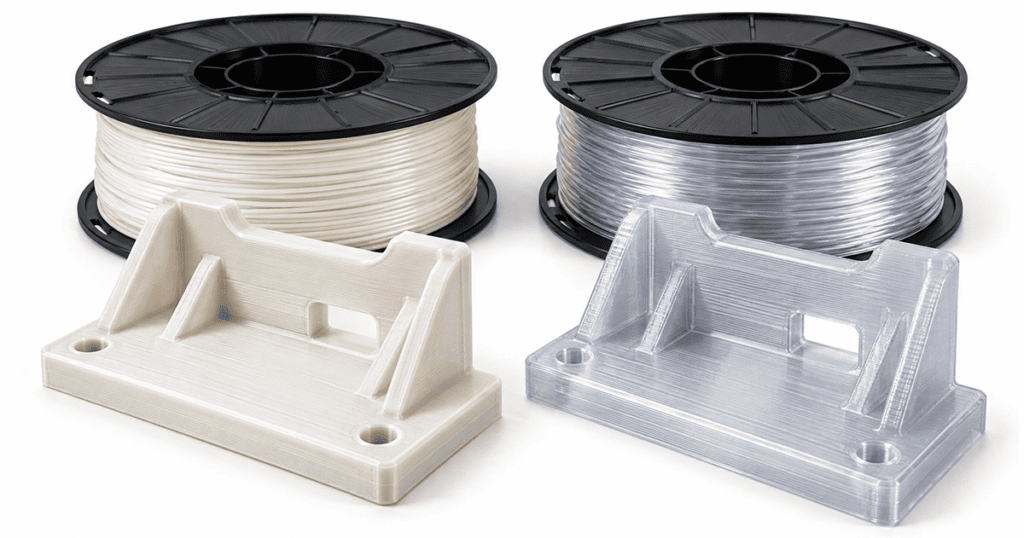
PETG vs PLA for 3D Printing: Strength, Heat Resistance, Printability and Part Selection
PETG is not automatically stronger than PLA. Real FDM bracket testing shows why tensile strength,…

Elongation in Plastics and 3D-Printed Parts: Formula, Strain at Break and Testing
Learn how to calculate percent elongation, interpret yield and break strain, compare ASTM D638 and…
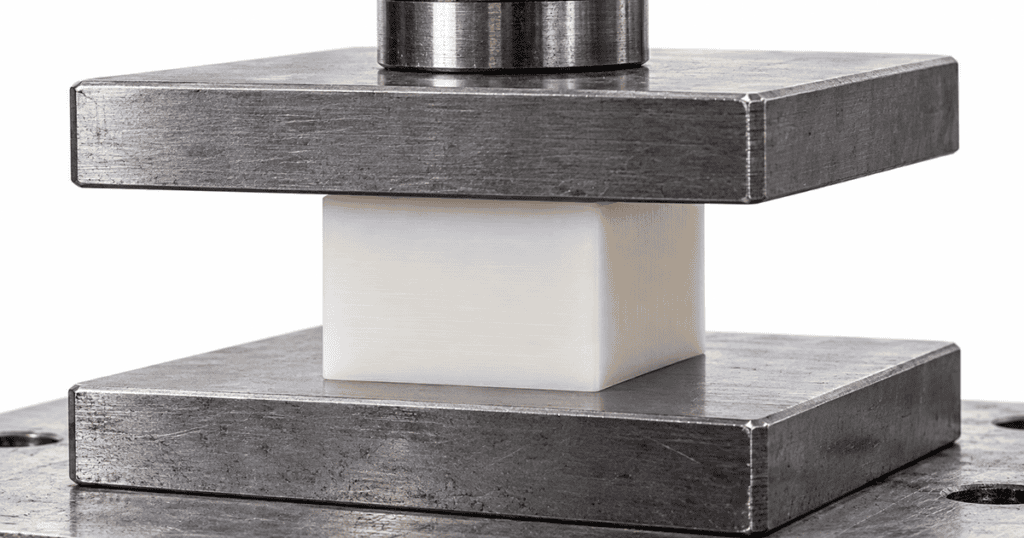
Compressive Stress in Plastic Parts: Formula, Testing, Strength and Failure Modes
Compressive stress is axial force divided by original load-bearing area. Calculate stress and shortening,…
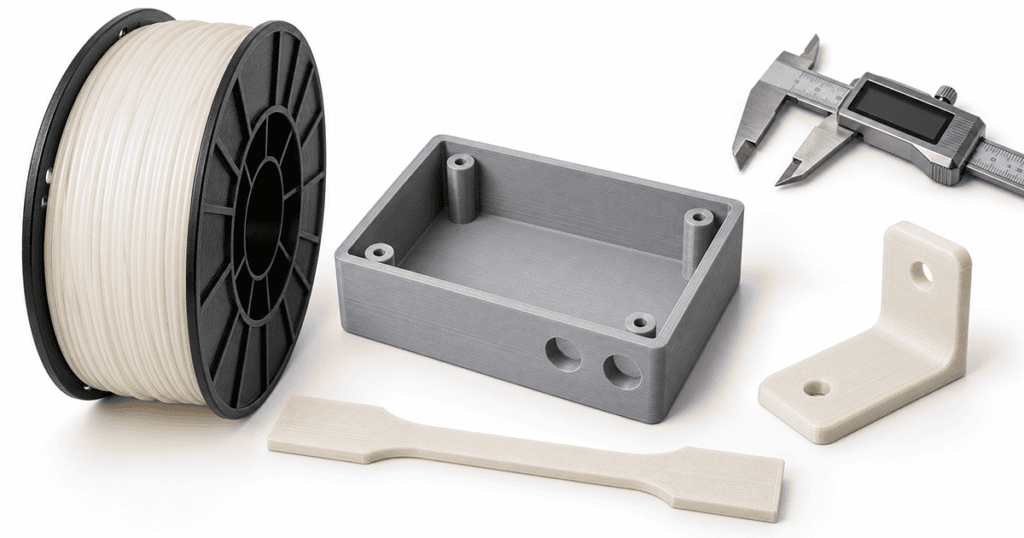
PLA Filament for 3D Printing: Composition, Properties, Heat Resistance and Uses
PLA is widely used for printed prototypes, but the grade, build direction, loading time and…
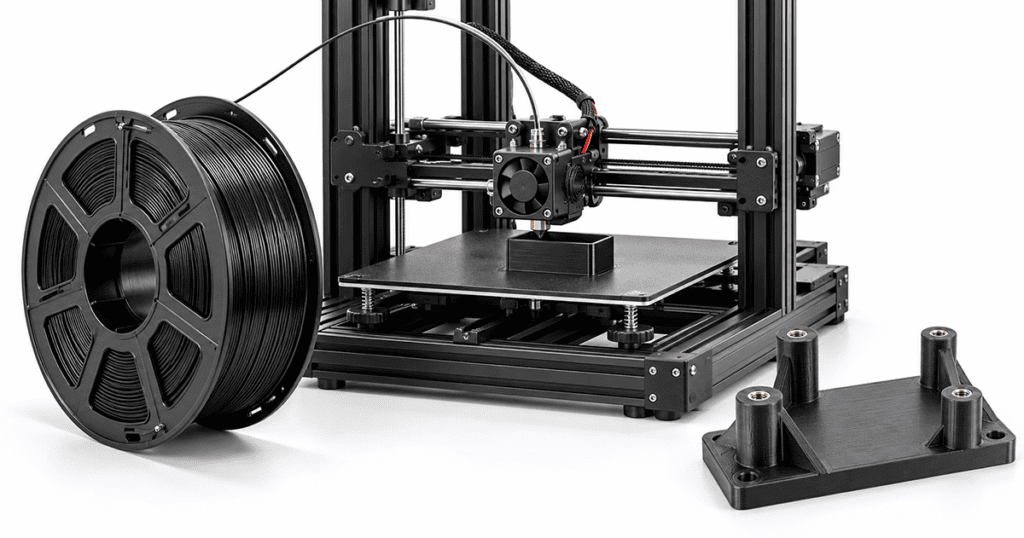
PETG Filament for 3D Printing: Properties, Temperatures, Drying and Uses
PETG filament is a glycol-modified thermoplastic polyester used in FDM 3D printing for functional prototypes,…
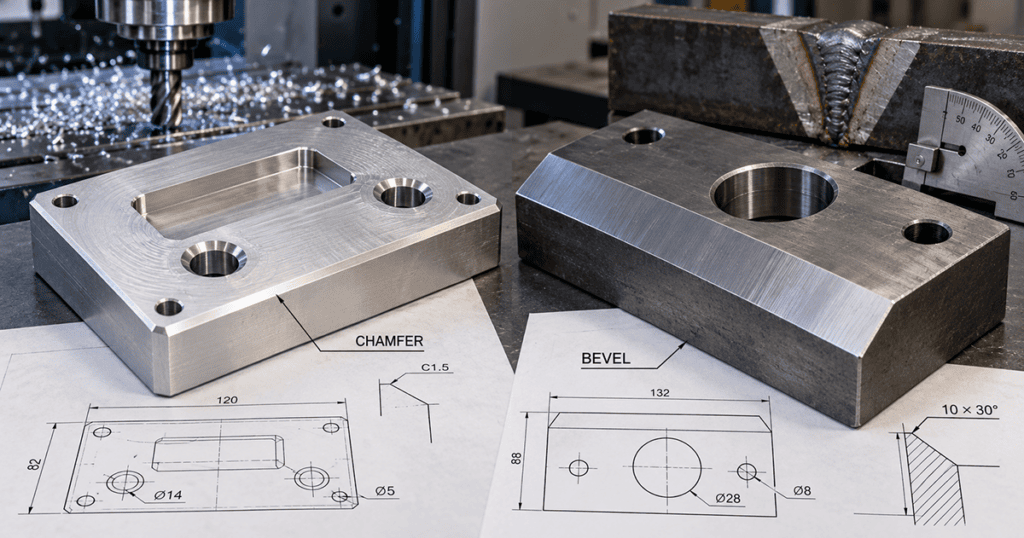
Bevel vs Chamfer: Drawing Callouts, Machining Methods, Weld Prep and Inspection
Bevel and chamfer labels do not define an edge by themselves. This guide shows how…

What Is Zinc? Properties, Alloys, Die Casting, Galvanizing and Machining
Zinc is a metallic element, Zn, with atomic number 30, but in manufacturing the word…