
Process Explainers

Sheet Metal Hem Design: Safe Edges, Cracking and Assembly Fit
How to choose and specify sheet metal hems without creating cracks or assembly conflicts, using…

Sheet Metal Dimple Forming: Flared Hole Design, Stiffness and Flush Fasteners
An engineering guide to sheet metal dimples, flared hole geometry, tool clearance, stiffness, flush screws,…

Quick Turn CNC Machining: Which Parts Can Meet an Urgent Deadline?
Quick turn CNC machining depends on the complete production route. Use this guide to screen…

CNC vs Manual Machining for Low Volume Parts and Secondary Operations
Choose a machining route for low volume parts by checking CTQ requirements, setup repeatability and…

Injection Molding Machine Specifications: Tonnage, Shot Size & RFQ Checklist
Learn how to evaluate injection molding machine specifications before awarding a molded-part RFQ. Check clamping…

Garolite Machining: G10 vs FR4, CNC Tooling, Tolerances and Inspection
How to machine G10 and FR4 Garolite parts, reduce glass-fiber damage, specify realistic tolerances and…

Laser Cutting Aluminum: Alloys, Assist Gas, Cut Quality and Tolerances
Choose aluminum alloy and temper, fiber laser settings and assist gas, then specify cut…

What Is TIG Welding? Process, Applications, Heat Input and Finish Machining
TIG welding, or GTAW, uses a nonconsumable tungsten electrode with shielding gas and optional filler….
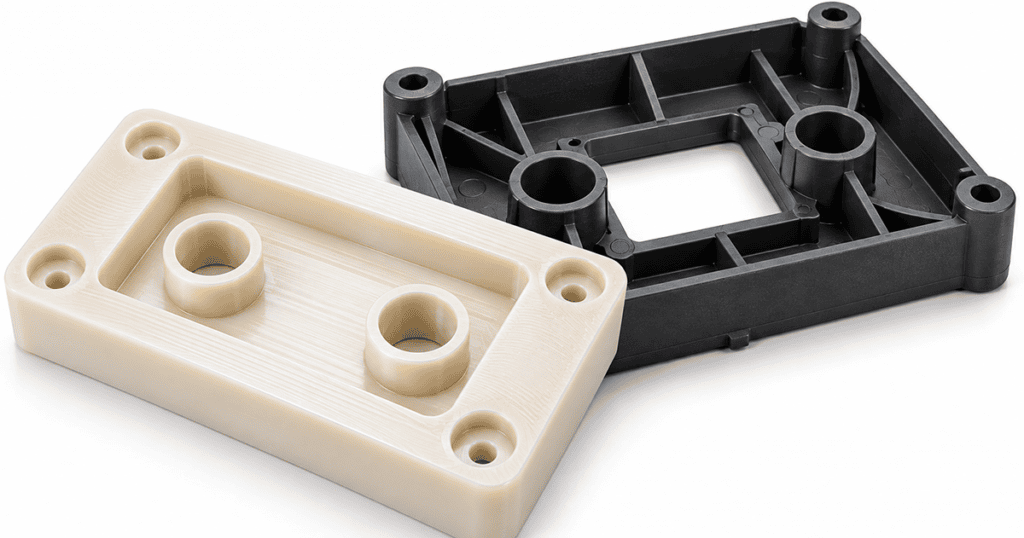
Polyamide (Nylon) for Machined and Molded Parts: Moisture, Creep, Tolerances and Grade Selection
Polyamide grade names do not define finished-part behavior. Learn how moisture, creep, machining, molding, and…
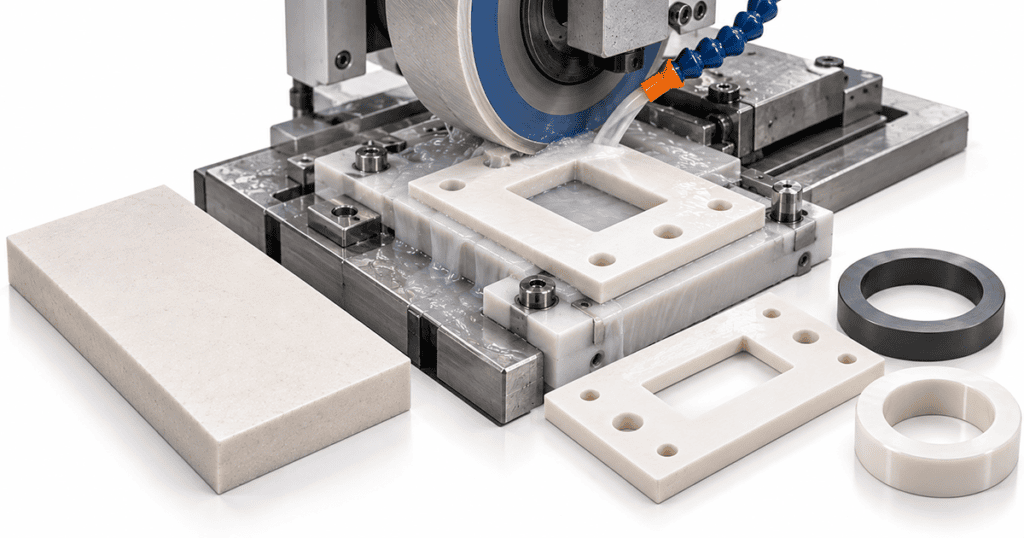
Engineering Ceramics: Machining, Grinding, Tolerances, Additive Manufacturing and Applications
Engineering ceramics require different manufacturing decisions from metals. This guide covers material state, ceramic machining,…